






Nepal’s Gen Z Turns Protest Into Political Power While Bangladesh’s Youth Falter
Last year, Generation Z-led protests swept across two South Asian nations, but the outcomes could not have been more different. While Nepal’s youth successfully transformed street activism into political influence, Bangladesh’s young activists struggled to convert momentum into electoral success, offering important lessons about strategy, organization, and timing in modern democracy.
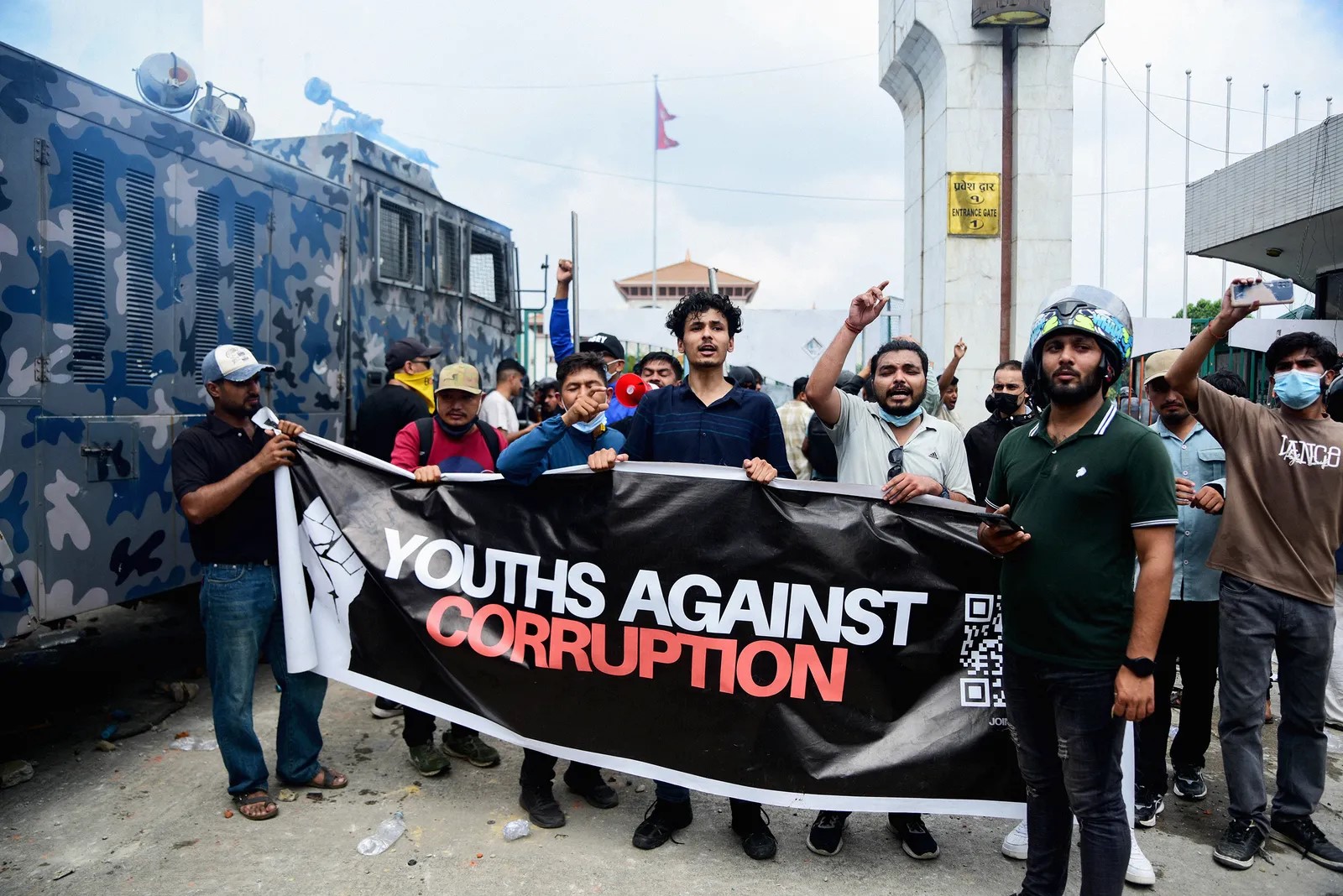
In Nepal, widespread frustration with corruption, unemployment, and heavy-handed governance erupted into mass demonstrations, particularly after controversial restrictions on social media platforms. Over several intense days, Gen Z protesters rallied for accountability and systemic change, ultimately forcing the resignation of the sitting prime minister and setting the stage for significant political shifts.
The energy from these protests carried into Nepal’s general elections, held just six months later. Rather than attempting to create a new political party from scratch—a complex and resource-intensive task—many young activists joined the existing Rastriya Swatantra Party (RSP), a youthful but established political force. This strategic decision proved decisive. The RSP, energized by the inclusion of Gen Z leaders and an agenda focused on accountability and reform, secured a significant share of seats, bringing young lawmakers into positions of power and reshaping the political landscape.
In contrast, Bangladesh’s Gen Z movement, which had also mobilized large-scale protests against entrenched political interests, struggled to turn street energy into electoral gains. In the first post-protest elections, the newly formed youth-linked National Citizens’ Party performed poorly, winning only a handful of seats against long-established rivals. Analysts cite several factors: alliances with controversial traditional parties alienated core supporters, internal divisions weakened the youth platform, and delays between the protests and elections diluted initial momentum.
Nepal’s experience shows that for youth movements to succeed at the ballot box, organization, credible alliances, and rapid mobilization are essential. Activists there channeled protest energy into a focused electoral strategy that resonated nationwide, while Bangladesh’s leaders faced challenges in cohesion and strategic planning.
The contrast between the two countries offers a broader lesson for youth movements everywhere: passion and protest can spark change, but translating grassroots energy into political power requires careful planning, strong partnerships, and sustained engagement with voters.
As Nepal’s young lawmakers settle into office, expectations are high for meaningful reforms. Meanwhile, Bangladesh’s youth continue to push for political inclusion, underscoring that generational change in politics is rarely linear but always evolving.