









Measles Outbreak in Bangladesh Raises Alarm as Child Deaths Climb
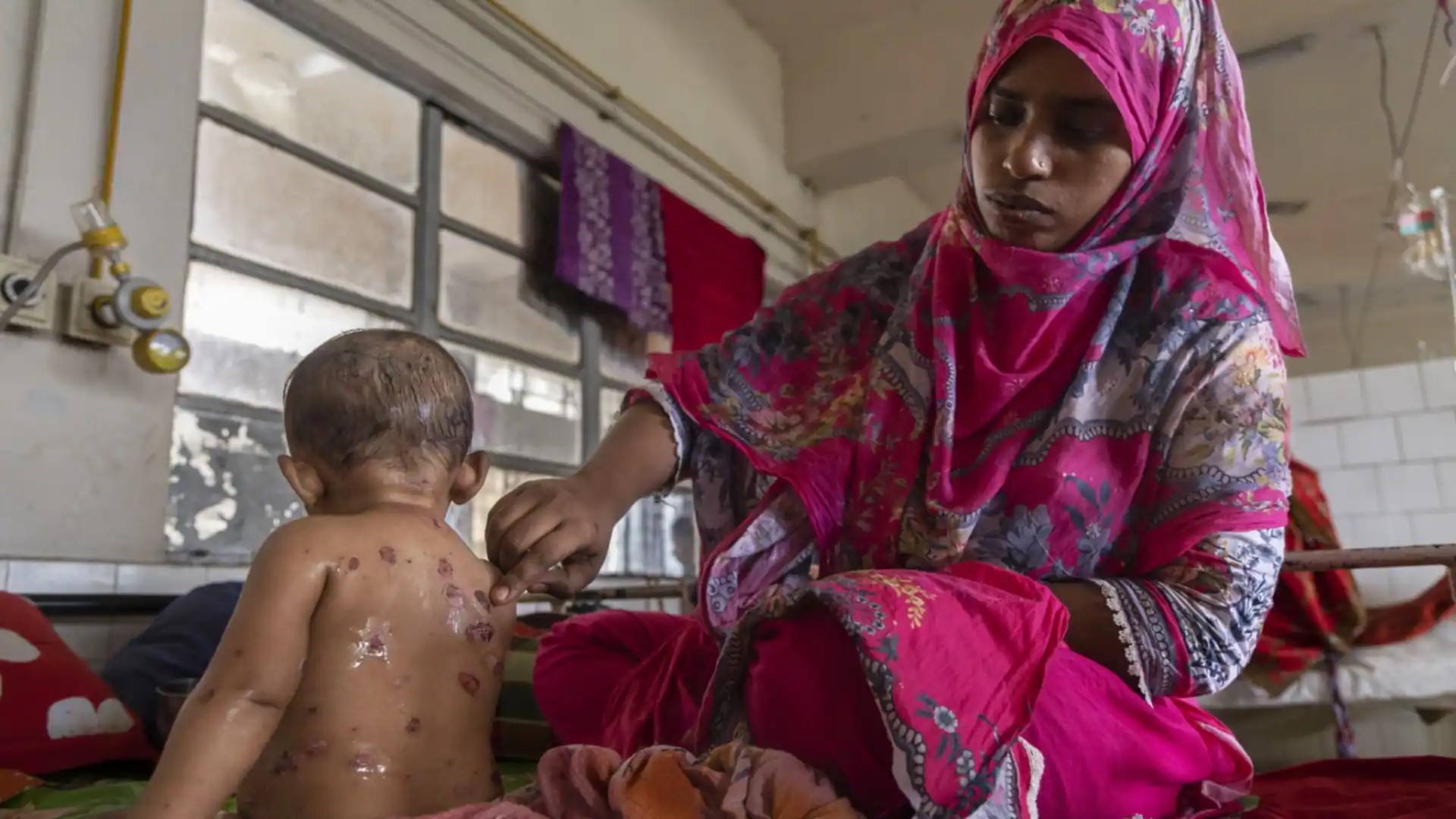
Bangladesh is facing a growing public health crisis as a surge in measles cases sweeps across parts of the country, raising alarm among health officials and international agencies. The outbreak, which has primarily affected young children, has led to a sharp increase in hospitalizations and a rising death toll in recent weeks.
Health authorities report that thousands of suspected cases have emerged, with many confirmed infections concentrated in densely populated and underserved areas. The rapid spread of the disease has been linked to gaps in vaccination coverage, leaving many children vulnerable to the highly contagious virus.
Measles, a disease that spreads through respiratory droplets, can lead to severe complications including pneumonia, brain inflammation, and death, particularly among malnourished children or those with weakened immune systems. Experts warn that without swift intervention, the outbreak could escalate further, putting additional strain on the country’s healthcare system.
A major concern is that many of the affected children are either unvaccinated or have not completed the full course of immunization. In some cases, infants too young to receive the vaccine are among the most at risk, highlighting the importance of community-wide immunity to prevent transmission.
In response, the government has launched emergency vaccination drives targeting high-risk regions, aiming to contain the outbreak and protect vulnerable populations. Health workers have been deployed to carry out door-to-door campaigns, while awareness programs are being rolled out to educate communities about the importance of immunization.
International organizations are also stepping in to support the response, providing vaccines, medical supplies, and technical assistance. However, challenges such as limited healthcare access, population density, and misinformation about vaccines continue to complicate containment efforts.
Public health experts emphasize that strengthening routine immunization programs will be critical not only to control the current outbreak but also to prevent future ones. They warn that sustained investment in healthcare infrastructure and community outreach is essential to ensuring long-term protection.
As Bangladesh works to contain the outbreak, the situation serves as a stark reminder of how quickly preventable diseases can resurface when vaccination coverage declines. The coming weeks will be crucial in determining whether the spread can be brought under control and further loss of life can be prevented.