








US Business Spending on Equipment Solid Before Iran Conflict
Washington, D.C. U.S. business investment in equipment remained on solid footing in February, just weeks before the outbreak of conflict with Iran, showing that companies were continuing to commit to capital expenditures despite rising global uncertainty.
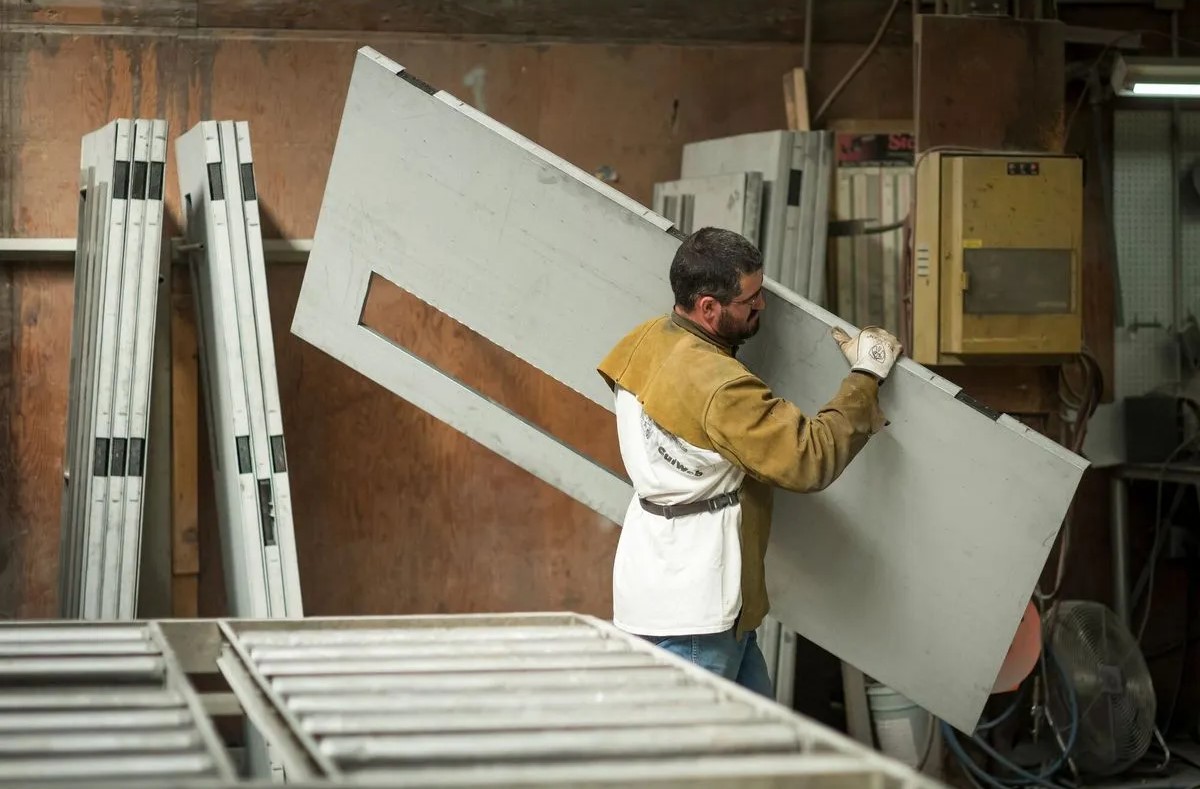
Orders for core capital goods, which exclude volatile items such as defense and commercial aircraft, rose by 0.6 percent in February, recovering from a slight decline in January. Shipments of these products increased 0.9 percent, reflecting steady demand for equipment used in manufacturing and production. This growth indicates that businesses were moving forward with plans to expand capacity and replace aging equipment, signaling confidence in the economy prior to the geopolitical escalation.
Key sectors driving the rise included primary metals, fabricated metal products, and machinery. Investment in these areas reflects long-term business strategies to maintain productivity and competitiveness. Analysts note that even amid uncertain international conditions, companies were prioritizing capital spending that supports operations and technological advancement.
Overall durable goods orders fell 1.4 percent in February, largely due to a decline in commercial aircraft demand. However, when excluding transportation equipment, orders rose, highlighting sustained investment in essential machinery and industrial tools. This trend demonstrates that businesses remained focused on core infrastructure and operational needs despite broader market volatility.
Rising energy prices and potential supply chain disruptions from the ongoing Middle East conflict could affect future investment levels, but February’s figures show that businesses were maintaining strong investment before these factors came into play. Delivery times for materials and equipment had lengthened, creating potential challenges, but firms were still committed to fulfilling capital expenditure plans.
Investment in equipment has now grown for several consecutive quarters, supported by sectors tied to advanced technology, digital infrastructure, and data centers. These investments are considered critical for long-term productivity growth and economic stability.
February’s data underscores the resilience of U.S. businesses in maintaining capital investment even in the face of emerging geopolitical risks. The strength in equipment spending highlights underlying confidence in the domestic economy and demonstrates that companies were positioning themselves for continued growth before the onset of conflict with Iran. This trend suggests that corporate investment remains a key driver of economic activity and productivity, providing a foundation for stability in uncertain times.