









Family of One‑Punch Attack Victim Fear £500,000 Compensation Could Run Out
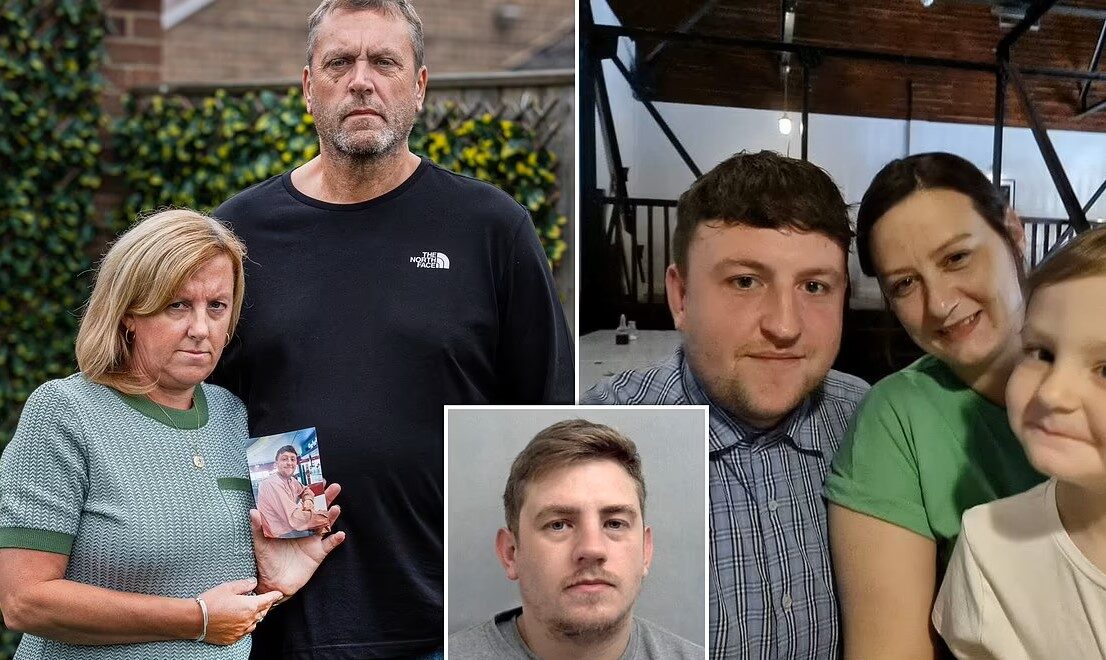
Craig Lewis‑Williams, 50, faces a lifetime of costly care after a one‑punch attack left him with devastating brain damage, and his family say the £500,000 compensation he received may not be enough to support him for the rest of his life.
Mr Lewis‑Williams was walking home in Llay, Wrexham, in November 2021 when he was struck by a single punch. He fell, hit his head, and suffered severe injuries that left him unable to walk, swallow or care for himself without constant help. He later suffered a stroke during treatment, resulting in paralysis down the left side of his body and other serious health conditions. He now requires carers to visit him six times a day and is fed through a tube.
After an appeal, he was awarded the highest possible payout from the Criminal Injuries Compensation Authority, set at £500,000. However, that maximum figure has not been increased since it was introduced in 1996, meaning the amount does not reflect inflation or modern care costs, according to campaigners and bereaved families.
His wife, Anna, said the family is already facing significant financial pressure due to the ongoing cost of specialist equipment, adapted vehicles and other long‑term care needs. She pointed out that prices for basic items like cars and wheelchairs have risen substantially since the compensation cap was set three decades ago, and the money will need to stretch over what could be another 25 to 30 years of care.
“Things are going to need replacing like his wheelchair and the van,” she said. “They’re big things to pay out for. You can’t go out and buy a car for £500 or £1,000 these days, yet we have to cover these costs and more as we go forward.”
Legal experts and campaigners argue that victims of violent crime with catastrophic injuries are effectively being short‑changed by the current maximum compensation level. They say that if the cap had risen in line with inflation, it would now be worth more than £1 million, providing more realistic support for victims who will require lifelong care and assistance.
Another family with a severely disabled teenage daughter has expressed similar concerns, noting that even a substantial sum can seem insufficient when it must support a lifetime of medical and care needs. Critics are urging the government to review and raise the maximum award to better reflect current economic realities.
A Ministry of Justice spokesperson said the government is committed to ensuring victims receive appropriate support and that significant compensation has been paid out through the Criminal Injuries Compensation Scheme, but acknowledged calls for reform are growing amid concerns over rising living and care costs.