







Taiwan Opposition Leader Urges Peace, Saying Birds Should Fly, Not Missiles
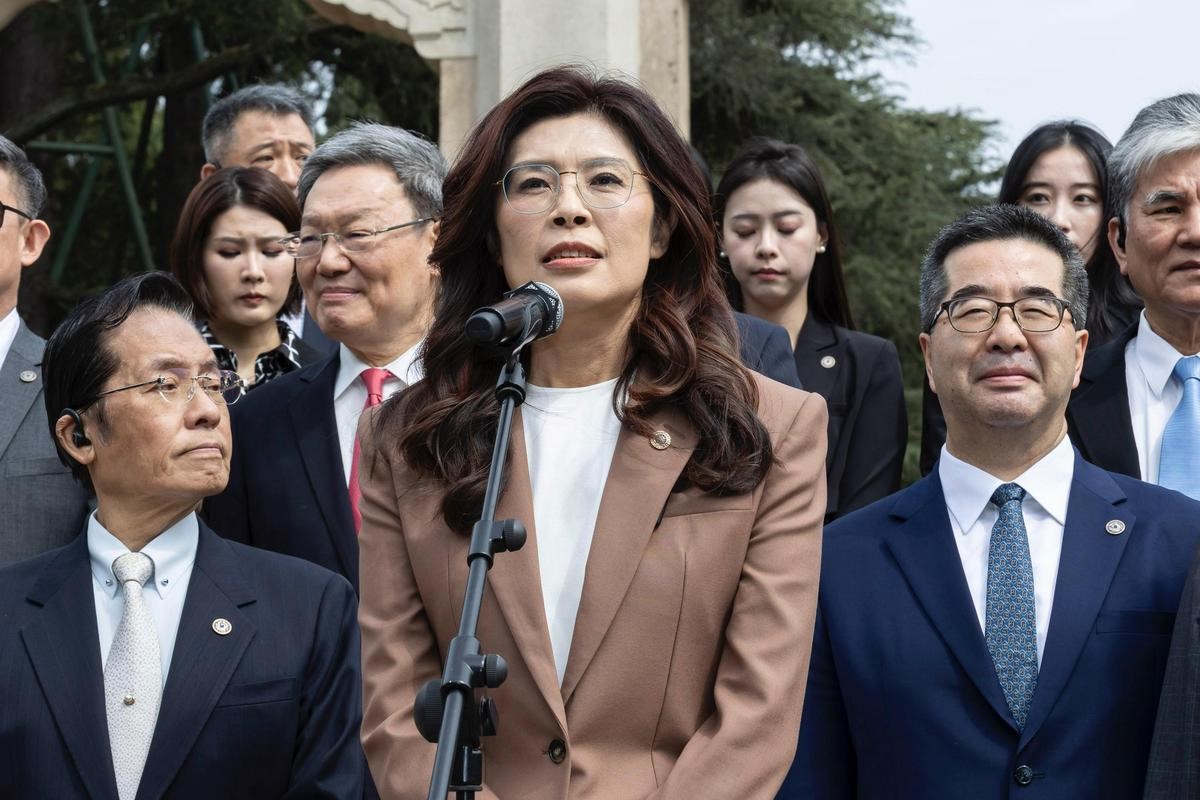
Taiwan’s main opposition leader has embarked on a highly symbolic visit to China, calling for peaceful dialogue amid rising military tensions in the region. During her stop in Shanghai, Cheng Li‑wun, chairwoman of the Kuomintang party, delivered a message emphasizing harmony, saying that “birds should fly in the skies, not missiles.” Her remarks underscored the urgent need for communication and cooperation, even as the region faces ongoing security challenges.
Cheng’s trip, described by her as a peace mission, comes at a delicate moment in cross‑strait relations. China has maintained frequent military activities near Taiwan, including naval patrols and aircraft operations, signaling its continued pressure on the island. These demonstrations have heightened public concern in Taiwan about the potential for escalation and the island’s long-term security.
While Cheng’s message of dialogue has resonated with some citizens seeking a less confrontational approach, it has drawn criticism from members of Taiwan’s ruling party. Critics argue that China’s ongoing military presence undermines any claims of goodwill and that dialogue must be paired with firm measures to safeguard Taiwan’s sovereignty. Despite these tensions, Cheng is expected to meet with senior Chinese officials, reflecting the political importance of her visit and her efforts to engage in constructive discussion.
In her speeches, Cheng invoked imagery from nature, suggesting that symbols of life and freedom should replace those of conflict. She emphasized that peaceful engagement is essential not only for Taiwan and China but also for regional stability in East Asia. Her statements have sparked mixed reactions across Taiwan, where citizens balance hopes for reduced tensions with concerns over potential threats from China.
This visit marks the first high-profile trip by a Taiwanese opposition leader to China in several years, highlighting divisions within Taiwan over how best to manage relations with Beijing. Analysts note that the outcomes of Cheng’s meetings could have wide-ranging implications, influencing not only Taiwan-China relations but also the broader security dynamics in the region.
By advocating for dialogue over confrontation, Cheng’s visit serves as a reminder of the delicate balance required in international diplomacy. While uncertainty remains, her call for peace signals a willingness to explore alternatives to escalating conflict and underscores the enduring desire for stability in an area long marked by tension.