






Badenoch Pledges Two-Child Benefit Cap Return to Fund Major UK Defence Expansion
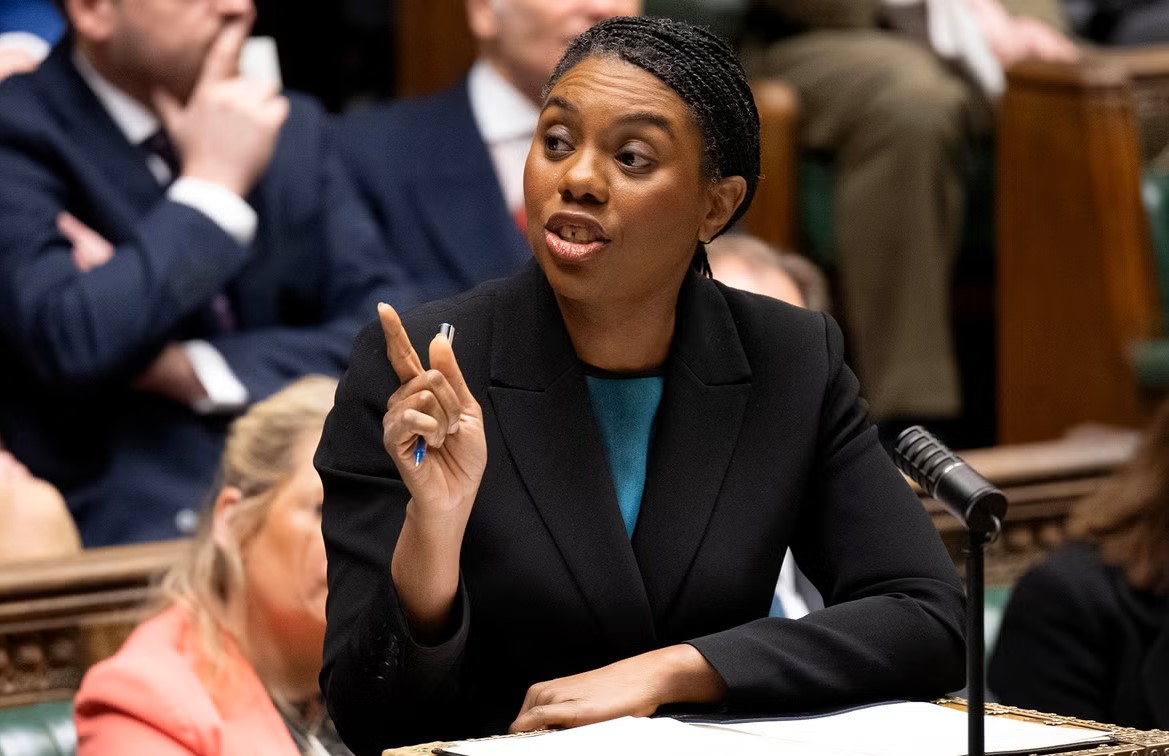
Conservative leader Kemi Badenoch has pledged to reinstate the two-child benefit cap as part of a plan to fund what she described as the largest peacetime rearmament effort in UK history if the party returns to government.
Speaking during a policy announcement focused on national security and public spending priorities, Badenoch said the UK must “radically rethink” how it allocates resources in response to rising global threats, including instability in Europe and the wider Middle East.
Under the proposal, savings from welfare reforms including the reinstatement of the two-child benefit cap would be redirected toward increased defence spending, military modernisation, and expanded armed forces capacity.
Badenoch argued that Britain faces a new era of geopolitical risk that requires a significant strengthening of national defence capabilities. She said the current security environment demands long-term investment in military readiness rather than continued expansion of welfare spending.
The two-child benefit cap, originally introduced under previous Conservative governments, limits support from certain welfare programmes to the first two children in a household. Critics have long argued that the policy increases child poverty, while supporters say it encourages fiscal discipline and targeted spending.
The announcement comes amid growing debate over defence budgets across Europe, as NATO members reassess military commitments following heightened tensions linked to ongoing global conflicts and instability in energy and trade routes.
Labour and opposition parties are expected to strongly challenge the proposal, particularly the link between welfare cuts and defence spending, setting up a major political clash over the future direction of UK fiscal policy.
Badenoch said that if elected, her government would prioritise national security as the “first duty of the state,” insisting that Britain must be prepared for a more dangerous global environment.
The proposal is expected to become a key dividing line in the run-up to the next general election, with sharp debate anticipated over the balance between social support and military investment.