






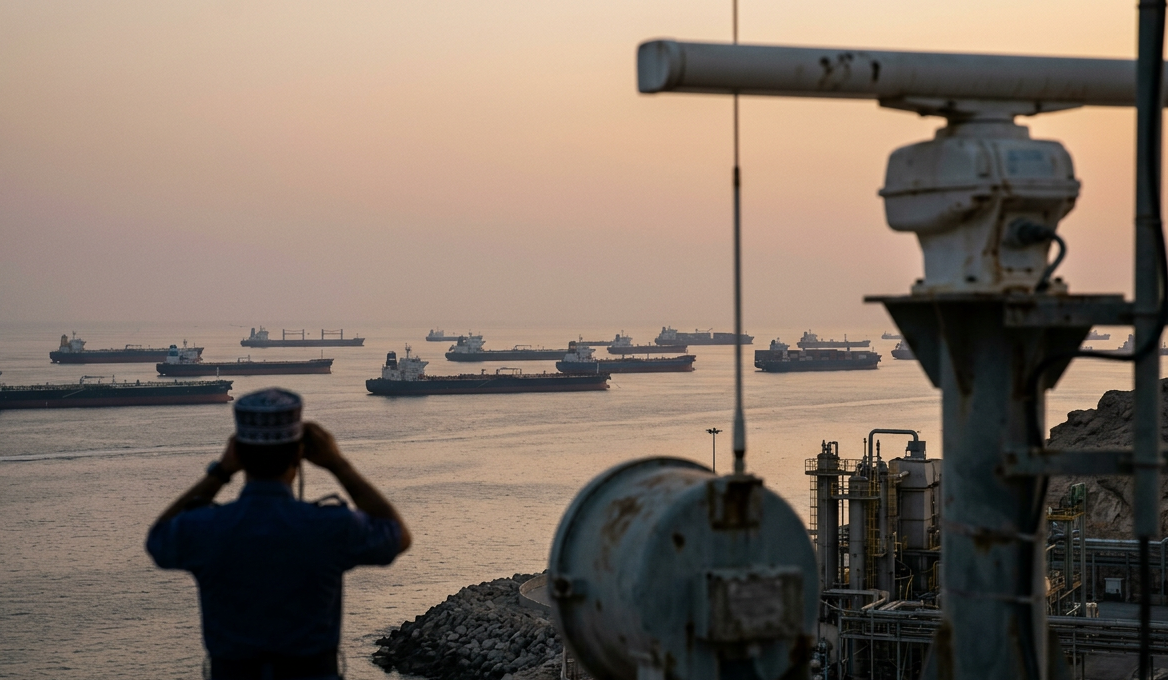
Global Traders Race to Secure Oil Supplies as Strait Crisis Tightens Market
Global oil markets are facing mounting pressure as traders race to secure crude supplies amid growing disruptions in the Strait of Hormuz, one of the world’s most critical energy shipping routes.
The situation has intensified competition for available oil cargoes, with buyers rushing to lock in shipments amid fears that supply conditions could deteriorate further. The Strait of Hormuz, through which roughly one-fifth of global oil trade flows, has seen reduced tanker movement due to heightened geopolitical tensions and increased security concerns in the region.
Energy traders and oil companies are aggressively bidding for prompt cargoes, driving up spot market activity and increasing volatility across global benchmarks. Analysts describe the market as increasingly tight in the short term, where immediate supply availability is becoming more important than long-term production levels.
The disruption has raised concerns about the resilience of global energy supply chains, which remain highly dependent on stable shipping routes through the Gulf. Even limited interruptions in tanker traffic have been enough to trigger sharp price movements and uncertainty in financial markets.
Oil prices have reacted strongly, with gains driven by fears that supply constraints could persist. The volatility has also influenced currency markets and added upward pressure on inflation expectations, particularly in economies heavily reliant on imported energy.
Shipping costs have also increased as insurers raise premiums for vessels operating in high-risk waters. Some shipping companies are reportedly delaying or rerouting cargoes to avoid the region, further tightening available supply and increasing delivery times.
Governments and major energy-importing countries are closely monitoring developments, with some considering strategic reserves and alternative sourcing options to reduce exposure to further disruptions.
Market analysts warn that if instability in the region continues, global energy prices could face additional upward pressure, potentially feeding into broader economic challenges.
The crisis highlights the continued importance of the Strait of Hormuz in global oil security, where even minor disruptions can have immediate and far-reaching effects on global markets.