









Extreme Heat, Glacier Loss, and Ocean Crisis Dominate Global Climate Headlines
A surge in extreme weather events and environmental warnings is dominating global climate headlines, with scientists and policymakers raising alarm over accelerating changes linked to rising global temperatures.
The United States has recorded its hottest March on record, underscoring a broader pattern of intensifying heat across multiple regions. Climate experts say the trend is consistent with long-term warming driven by greenhouse gas emissions, but warn that conditions could worsen further with the possible development of a “super” El Niño event later this year. Such a phenomenon typically pushes global temperatures higher, increasing the likelihood of heatwaves, droughts, and extreme weather disruptions worldwide.
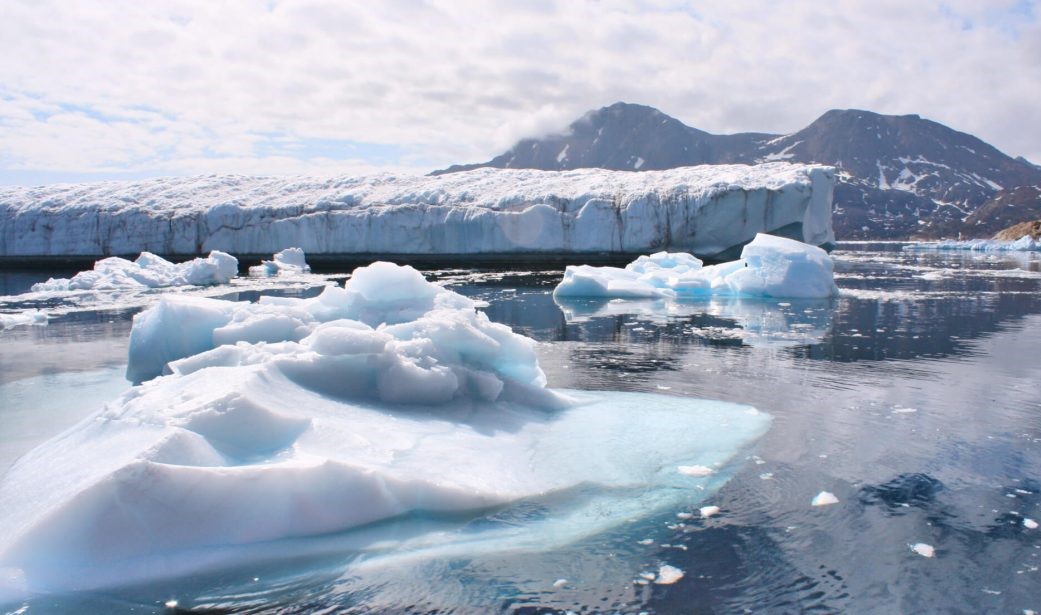
At the same time, alarming reports from South America highlight rapid glacier loss in Argentina, where ice fields are retreating at unprecedented rates. Scientists warn that continued melting could have serious consequences for freshwater supplies, agriculture, and regional ecosystems that depend on glacial runoff.
Oceans are also under growing stress. Marine researchers report widespread underwater coral bleaching, driven by rising sea temperatures that are placing fragile reef systems at risk. Coral ecosystems, which support vast marine biodiversity and protect coastal communities, are increasingly struggling to recover from repeated heat stress events.
Meanwhile, political divisions over climate policy continue to intensify. Governments in several countries are facing renewed criticism over fossil fuel expansion, with debates ongoing about new drilling projects despite mounting scientific calls to reduce carbon emissions. Environmental groups argue that continued investment in fossil fuels undermines global efforts to limit warming, while industry advocates cite energy security and economic concerns.
The convergence of record heat, melting ice, and ocean degradation is reinforcing warnings from scientists that climate change is accelerating faster than previously anticipated. Experts stress that immediate and coordinated global action is essential to mitigate long-term damage and reduce the risks of more severe environmental and economic impacts.
As extreme conditions become more frequent, climate change is no longer viewed as a distant threat but as an immediate and escalating global crisis affecting ecosystems, economies, and communities worldwide.