






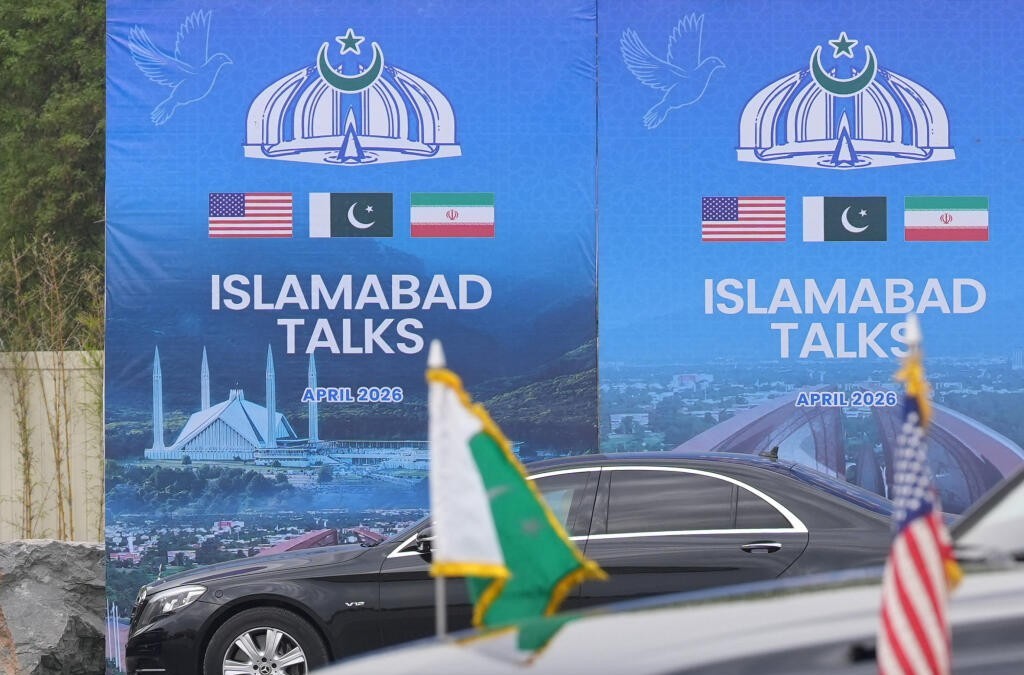
US–Iran Talks in Islamabad End Without Agreement Amid Deep Divisions
Talks between the United States and Iran held in Islamabad have ended without any concrete agreement, dealing a setback to diplomatic efforts aimed at stabilising tensions and preserving a fragile ceasefire.
The high-level negotiations, mediated by Pakistan, marked a rare and significant round of direct engagement between Washington and Tehran. Despite hours of discussions described by officials as serious and detailed, both sides failed to reach consensus on key issues.
The primary point of contention remains Iran’s nuclear programme. The United States is seeking firm assurances that Iran will not advance toward nuclear weapons capability, while Iranian officials have rejected what they describe as excessive demands and insist on their right to pursue peaceful nuclear development.
Additional disagreements over sanctions relief, regional security, missile programs, and control of strategic waterways further complicated the talks. These unresolved issues ultimately prevented any meaningful breakthrough.
Officials from both sides acknowledged that while some progress was made in narrowing differences, fundamental gaps remain. There were indications that dialogue may continue in some form, but no timeline or framework for future negotiations has been confirmed.
The outcome has raised fresh concerns about the stability of the already fragile ceasefire between the two countries. Analysts warn that without sustained diplomatic progress, the risk of renewed escalation in the region remains significant.
Pakistan, which hosted the discussions, has urged both sides to remain engaged and continue diplomatic efforts to avoid further conflict.
The collapse of the talks highlights the deep-rooted mistrust between the United States and Iran, underscoring the challenges facing any attempt to reach a lasting agreement in an increasingly volatile geopolitical environment.