




Key suspect arrested in Philippine corruption investigation, says Marcos
The President of the Philippines, Ferdinand Marcos Jr., has announced the arrest of a key suspect linked to a widening corruption investigation that has drawn significant political attention across the country.
Speaking publicly, Marcos said authorities had detained an individual considered central to the case. The investigation involves allegations of misuse of public funds and irregularities in government contracting processes. However, he did not provide further details about the suspect’s identity or the specific charges at the time of the announcement.
The case forms part of a broader anti-corruption drive by the Philippine government, which has pledged to strengthen accountability in public spending. Corruption has long been a sensitive issue in the country, with repeated concerns raised by watchdog groups over transparency in government procurement and the management of public resources.
Officials said multiple law enforcement and oversight agencies are involved in the ongoing investigation. Authorities are examining financial records, procurement documents, and contract approvals as part of efforts to trace potential irregularities. Investigators have indicated that further arrests may follow as the probe expands.
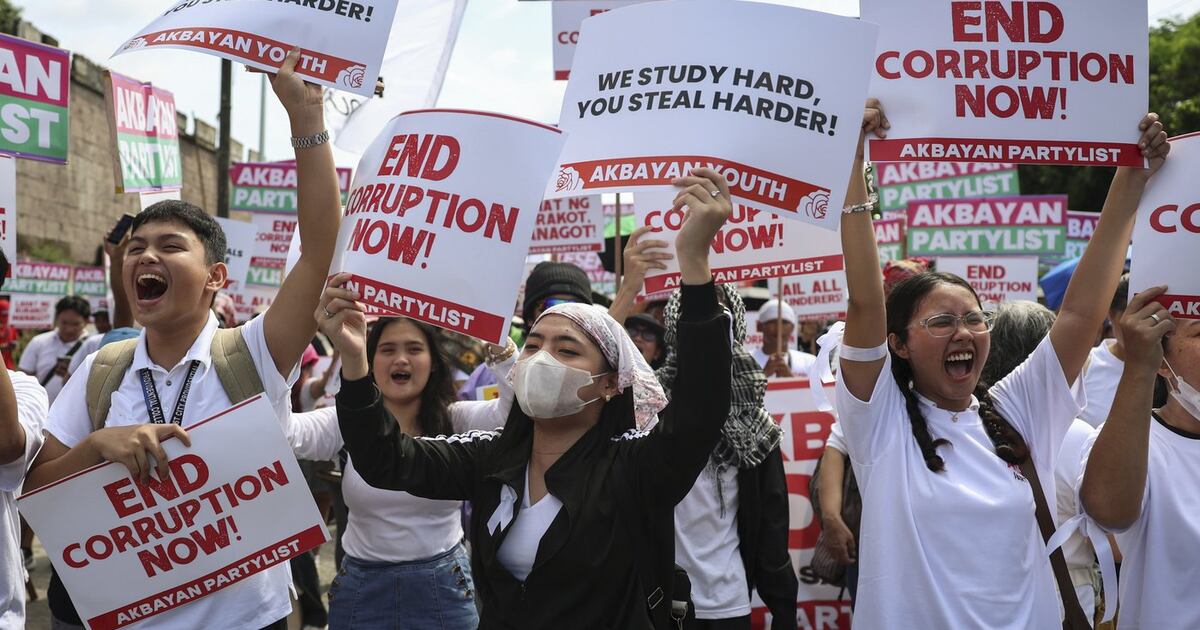
The announcement comes amid growing public pressure for stronger action against corruption. Civil society organisations and anti-corruption advocates have called for greater transparency in the handling of high-profile cases, urging the government to ensure that investigations are conducted thoroughly and independently.
There has also been renewed emphasis on due process, with observers noting the importance of maintaining legal safeguards while pursuing accountability. Analysts say the outcome of the case could have wider political implications, depending on how far the investigation extends and which individuals or institutions are implicated.
The Philippine government has repeatedly stated that it remains committed to strengthening governance systems and ensuring that those responsible for wrongdoing are held to account. Officials have also highlighted ongoing reforms aimed at improving oversight of public procurement and reducing opportunities for financial misconduct.
Despite these assurances, corruption remains a persistent challenge, and public trust in institutions continues to be tested by repeated scandals and allegations.
Further details are expected as the investigation continues, with authorities yet to confirm whether additional suspects will be formally charged or arrested in the coming days.