







Eiffel Tower Guide: Everything You Need to Know Before Visiting Paris’s Most Iconic Landmark
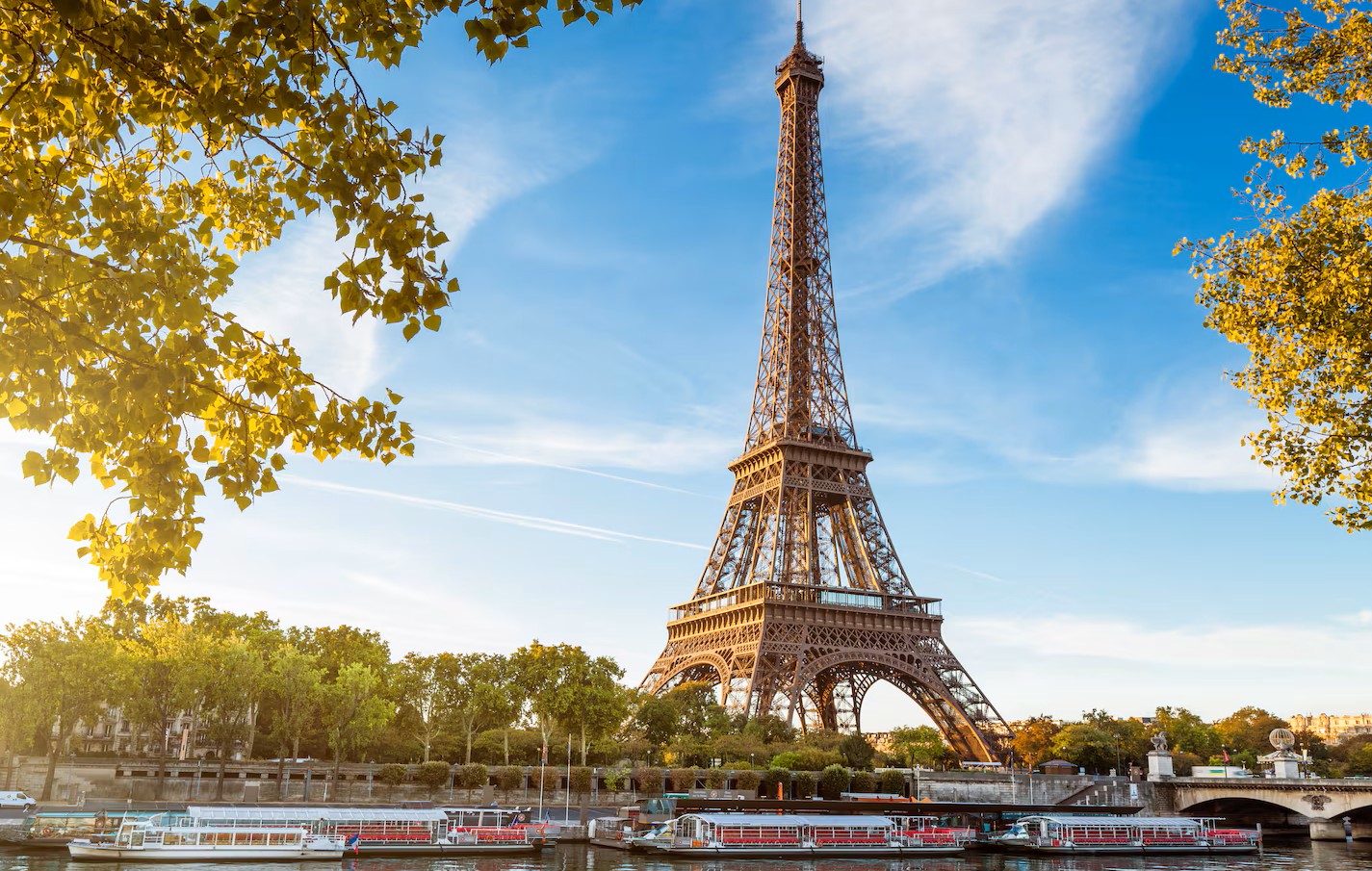
The Eiffel Tower remains one of the most visited landmarks in the world, drawing millions of tourists to Paris each year. Standing 330 metres tall on the Champ de Mars, the iron structure has become a defining symbol of France since its completion in 1889 for the Exposition Universelle.
Visitors can access the tower either by lift or by climbing stairs to the second level, with an additional lift required to reach the summit. The experience varies depending on how high you go, with each level offering increasingly expansive views across the French capital, including the River Seine, Montmartre, and landmarks such as the Arc de Triomphe.
Tickets are in high demand throughout the year, particularly during peak travel seasons, weekends, and public holidays. Authorities strongly advise booking in advance to avoid long queues, which can extend significantly during busy periods. Even with pre-booked entry, security checks and waiting times are common, and visitors are encouraged to plan accordingly.
The timing of a visit can significantly affect the experience. Early mornings tend to be quieter, offering a more relaxed ascent, while late afternoons and sunset hours attract larger crowds due to the changing light over Paris. At night, the tower becomes a focal point of the city skyline, with its hourly sparkling illumination drawing large gatherings at its base.
Security screening is mandatory for all visitors, and restrictions are in place on certain items. Comfortable footwear is recommended, particularly for those opting to use the stairs, which provide a slower but more immersive experience of the structure’s design and engineering.
Facilities on site include restaurants, cafés, and gift shops, along with observation areas at different levels. Dining at the tower is considered a premium experience and requires advance reservations.
The surrounding area is one of Paris’s busiest tourist zones, and visitors are often advised to remain aware of their belongings due to pickpocketing risks common in major European attractions.
Despite the crowds and planning required, the Eiffel Tower continues to offer one of the most recognisable and memorable experiences in global tourism. For many, it remains an essential part of any visit to Paris, combining historical significance with sweeping views of the city.