




How the War on Iran Is Rewriting the Russia–Ukraine Conflict Through Energy Markets
The war involving Iran has added a new and unpredictable layer to the Russia–Ukraine conflict, with global energy markets becoming a critical battleground influencing both wars indirectly. As oil prices surge and supply routes are disrupted, the ripple effects are reshaping military capacity, economic stability, and diplomatic priorities across Europe and beyond.
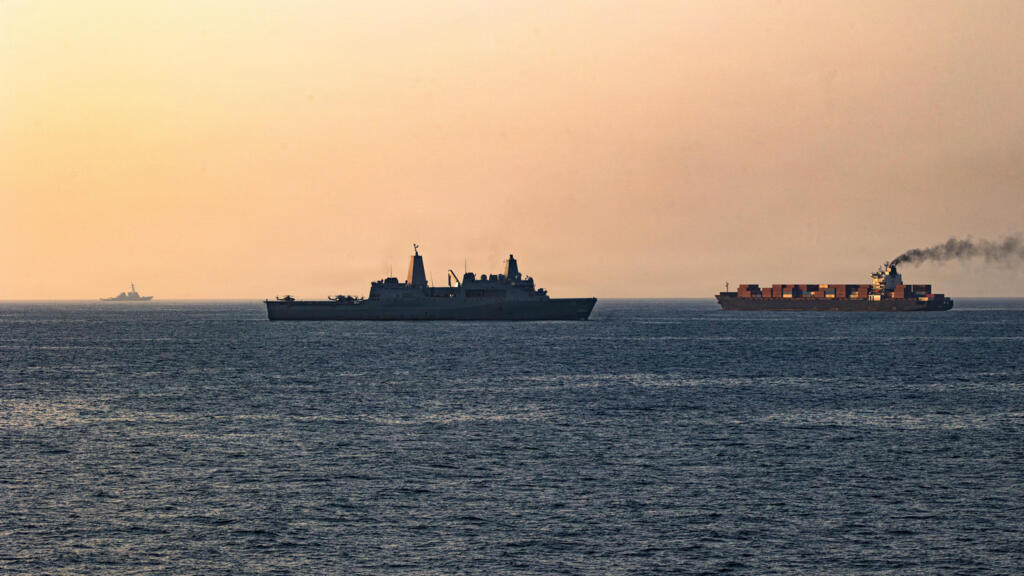
One of the most immediate impacts has been the sharp rise in global oil and gas prices following disruptions in key shipping routes such as the Strait of Hormuz. These supply shocks have tightened global energy markets, creating inflationary pressure in Europe and increasing the cost of transport, logistics, and military operations.
For Russia, the situation has created a financial advantage. Higher energy prices have boosted revenues from oil exports, strengthening Moscow’s war budget at a time when Western sanctions were already aiming to restrict its economic capacity. Analysts note that even partial sanctions relief combined with higher global prices has helped offset some of the financial pressure created by the Ukraine war, giving Russia additional fiscal room to sustain its military campaign.
For Ukraine, however, the effects are more challenging. Rising fuel and energy costs increase the burden on its economy and military logistics, while also complicating the flow of Western aid. At the same time, any diversion of political attention and military resources toward the Middle East risks reducing the focus on Ukraine at a critical stage of the conflict.
The broader geopolitical picture is also shifting. Western governments are being forced to balance support across multiple crises, stretching defense stockpiles and diplomatic bandwidth. Energy security has once again become central to European policy discussions, with renewed emphasis on reducing dependence on volatile global supply chains.
At the same time, the situation highlights the deep interconnection between modern conflicts. The Iran war is not isolated it is feeding into existing tensions, amplifying economic pressures, and indirectly influencing the strategic calculations of both Moscow and Kyiv.
Experts say the result is a more complex and unstable global environment, where energy markets now play a decisive role in shaping battlefield endurance and political decision-making.
In this evolving landscape, the war in Ukraine is no longer shaped solely by events in Eastern Europe, but increasingly by shocks originating far beyond it particularly in the Middle East energy corridor that now sits at the center of global economic stability.