






Resident Doctors Call Off England Strikes After Last-Minute Government Offer
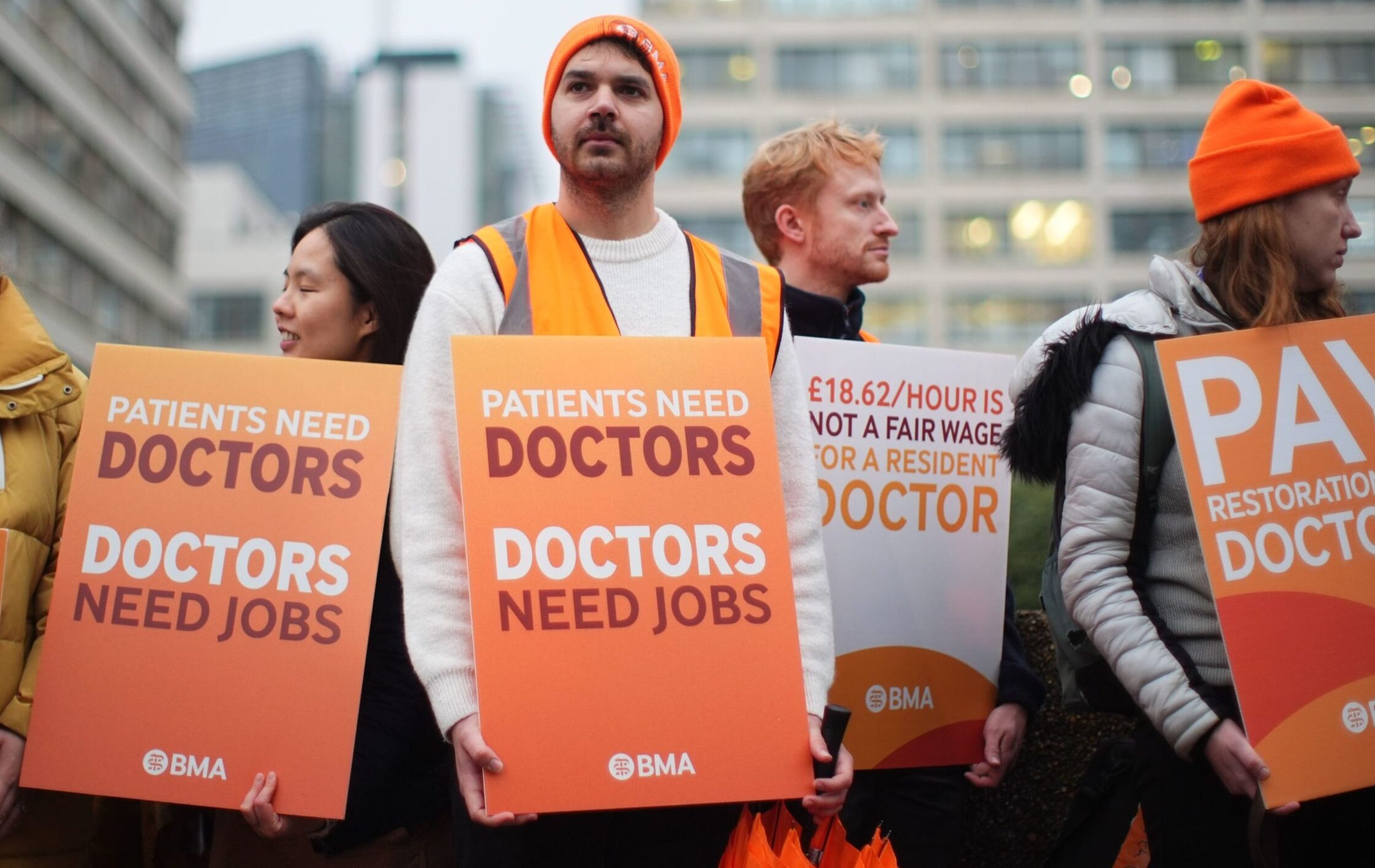
Planned strikes by resident doctors in England have been called off at the last minute after the government tabled a new pay offer, bringing a sudden pause to what would have been the 16th walkout in a long-running dispute over pay and working conditions.
The British Medical Association (BMA), which represents resident doctors, confirmed that industrial action scheduled to begin on Monday morning had been suspended. The planned strike would have run from 07:00 BST on Monday 15 June until 06:59 on Friday 19 June, and was expected to cause significant disruption across the National Health Service.
The decision to cancel the action came after days of intense negotiations between the BMA and government officials, including discussions held as late as Saturday, just hours before the strike was due to begin. The BMA said the government had “made a new offer” at the eleventh hour, which will now be presented to its members for a vote.
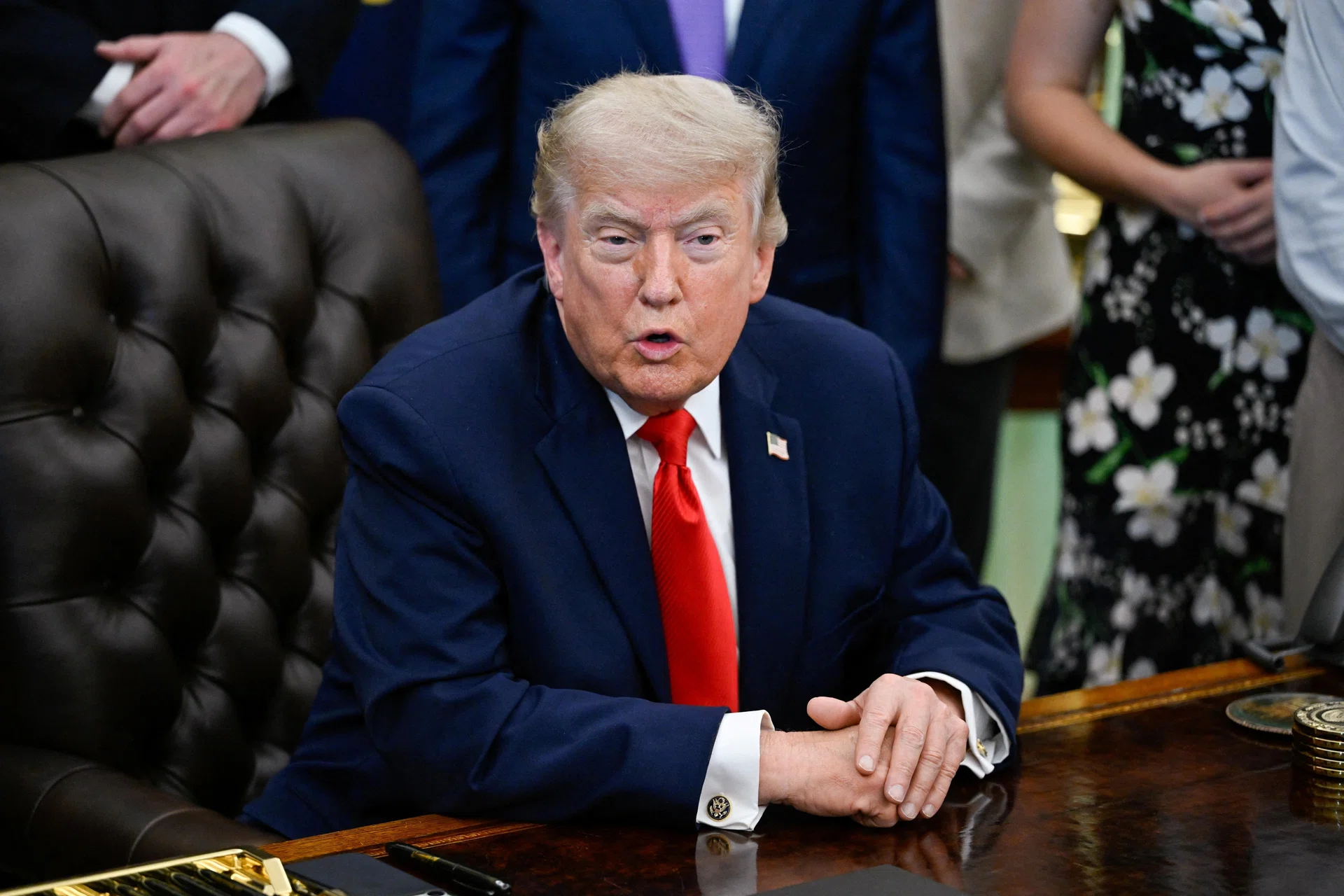
Health Secretary James Murray described the revised proposal as an opportunity to “draw a line under the damaging disputes of recent years,” signalling optimism that a long-running period of industrial tension in the health sector may be nearing resolution. The BMA, meanwhile, said it had “held up its end of the bargain” after the government shifted its position in talks.
Although the strike has been called off, the NHS has warned that some disruption is still expected in the coming days. Many hospitals had already begun rescheduling procedures and reorganising staffing in preparation for the walkout. NHS England estimated that around 95% of planned operations and appointments would still go ahead, but thousands have already been postponed, creating a backlog that hospitals will now need to address.
Reinstating cancelled procedures on their original timelines is expected to be a significant logistical challenge for healthcare providers. Hospitals will need to balance urgent care demands with efforts to reschedule delayed treatments, while also managing ongoing pressure on emergency services.
The dispute between resident doctors and the government has been one of the most persistent industrial conflicts in the NHS in recent years, centred largely on pay erosion concerns and working conditions. Repeated strikes over the past period have placed considerable strain on hospital systems, staff, and patients, leading to widespread appointment delays and operational backlogs.
Despite the disruption caused by previous industrial action, both sides have expressed cautious relief following the latest development. For the government, the suspension of the strike offers hope of stabilising healthcare services after months of uncertainty. For doctors, the new offer represents a potential step forward in a dispute that has yet to reach a final resolution.
While the immediate crisis has been avoided, the situation remains dependent on the outcome of the upcoming BMA vote. Until then, the future of pay negotiations and industrial relations within the NHS remains unresolved, with both sides waiting to see whether this latest proposal will bring lasting agreement or merely a temporary pause in a longer conflict.