







Arctic Ice Hits Record Lows as Heatwaves and Energy Policy Debates Dominate April 2026 Climate News
April 2026 climate coverage highlights unprecedented environmental shifts and heated political debates over the future of energy production. Record-low Arctic sea ice, persistent heatwaves, and conflicting policy approaches to achieving climate goals are underscoring the urgency of global climate action.
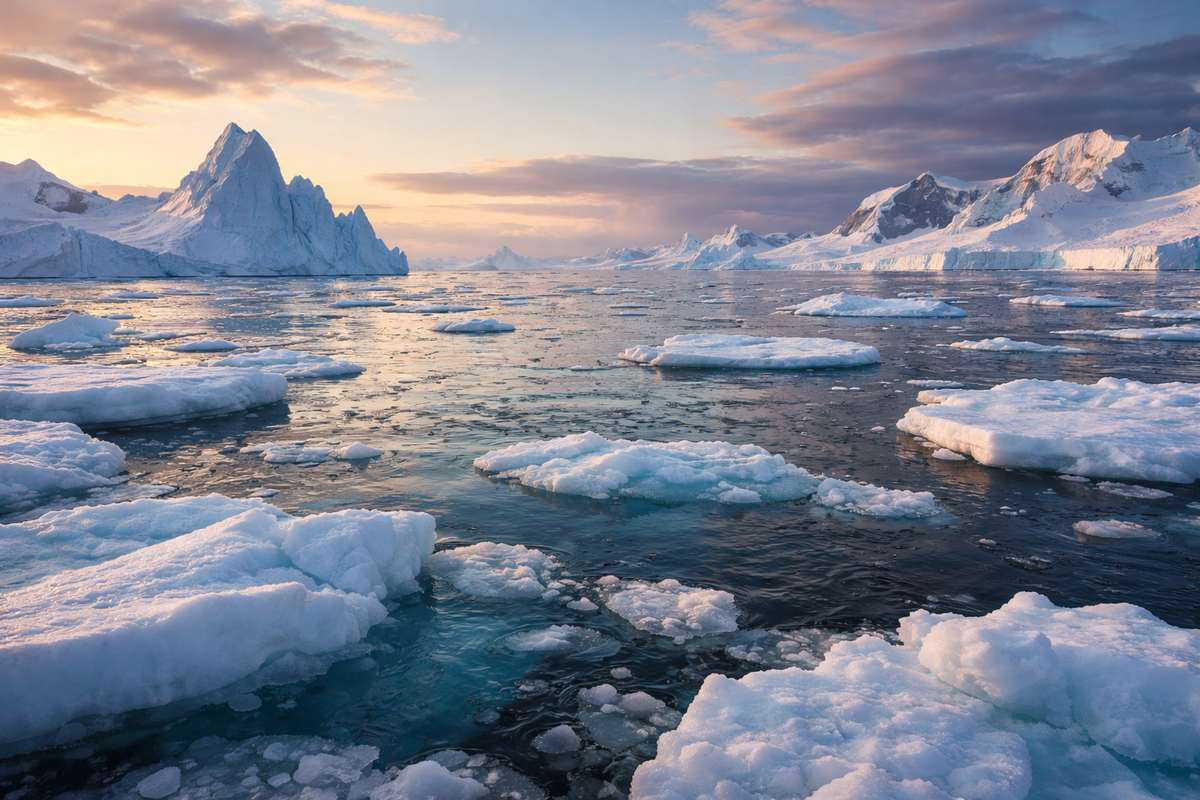
Scientists report that Arctic sea ice reached record-low extents this month, marking one of the fastest rates of ice loss in recent decades. The shrinking ice cover has far-reaching consequences, from rising sea levels to disruptions in global weather patterns. Researchers warn that continued ice loss may accelerate feedback loops in the climate system, intensifying extreme weather events across the Northern Hemisphere.
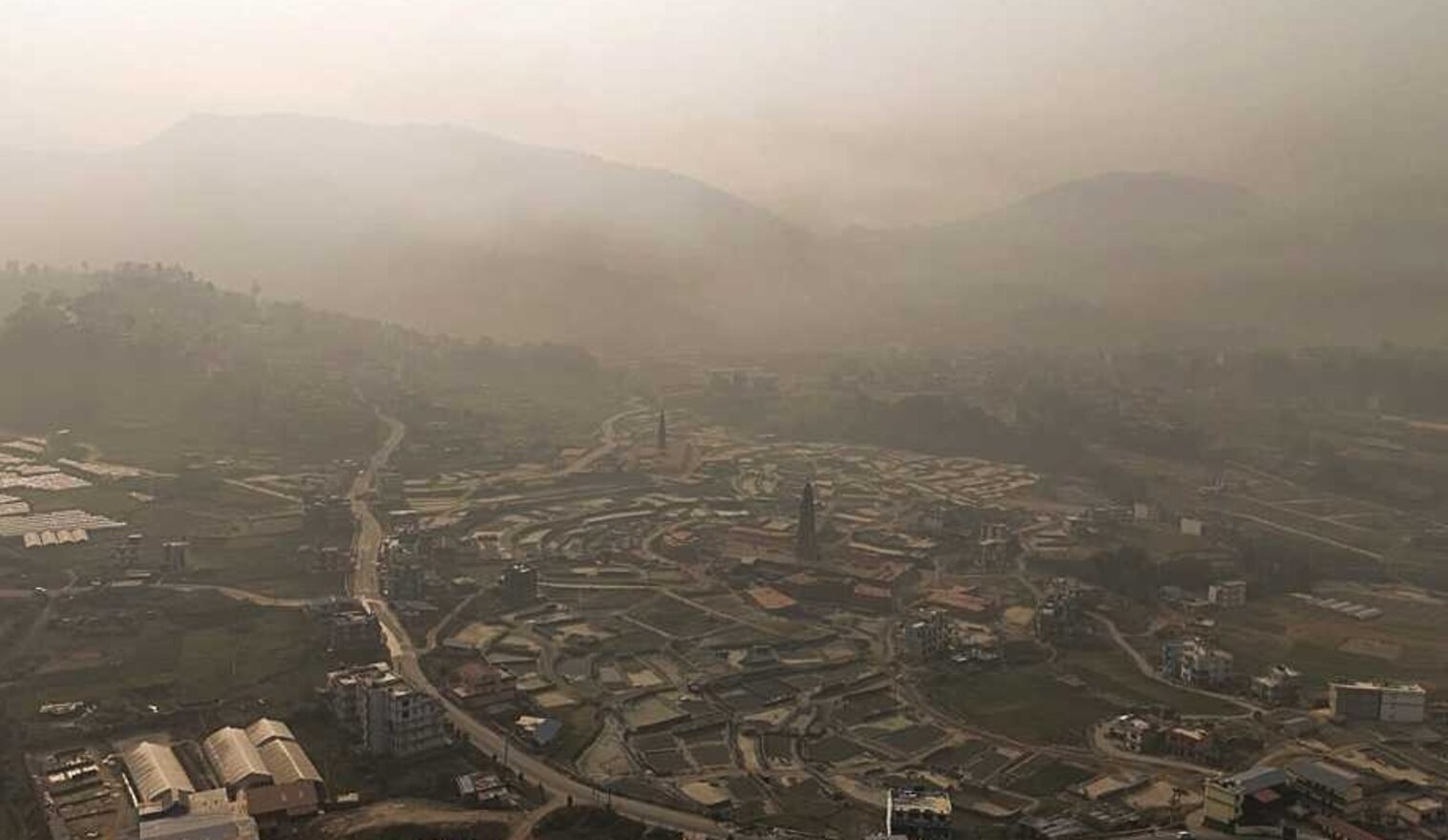
Despite an overall cooling trend in some regions, heatwaves remain widespread and intense, affecting Europe, North America, and parts of Asia. These extreme temperatures are straining energy grids, threatening agricultural productivity, and exacerbating public health risks. Experts emphasize that even short-term cooling in certain areas does not offset the long-term trajectory of global warming.
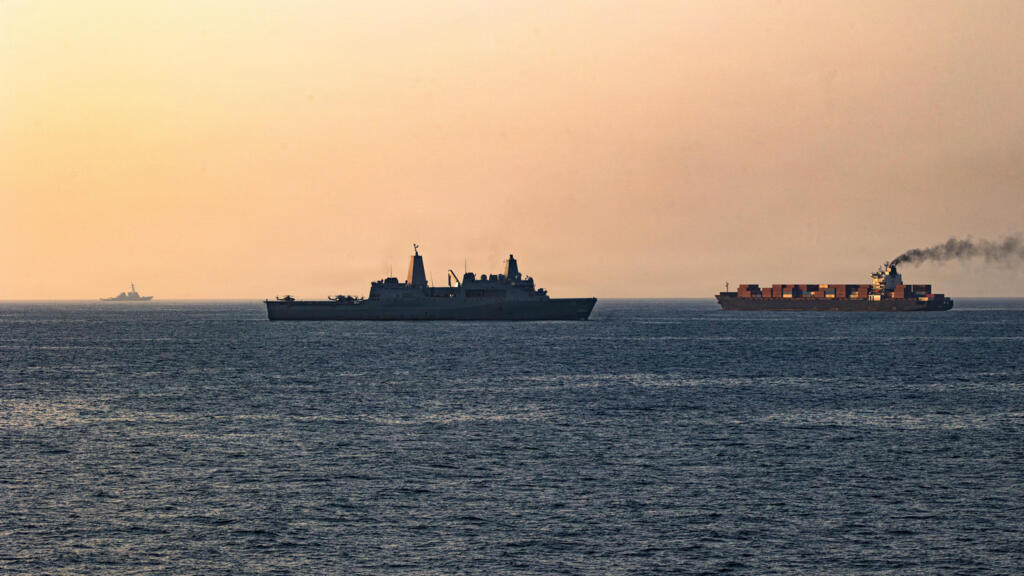
Energy policy is at the center of political contention in April 2026. In the United States, accelerated offshore drilling in the Gulf of Mexico has sparked debate between economic growth advocates and climate action proponents. Proponents argue that expanding domestic oil production strengthens energy security, while critics highlight the environmental risks and contradiction with long-term emissions reduction goals.
In Europe, France is advancing renewable energy initiatives through a series of competitive tenders for wind and solar projects. Officials say these measures aim to meet ambitious emissions targets while ensuring reliable energy supply. However, debates over “net zero” targets continue to divide governments, industry leaders, and environmental groups, with disputes over timelines, feasibility, and economic implications dominating policy discussions.
Analysts caution that immediate action is needed to address both the environmental and political challenges. The combination of rapid Arctic ice loss, persistent heatwaves, and contested energy strategies underscores the complexity of mitigating climate change while balancing economic and social priorities.
As April 2026 unfolds, the focus remains on the urgent need for coordinated global action, sustainable energy transitions, and policies capable of protecting vulnerable ecosystems while meeting growing energy demands. Experts agree that the choices made in the coming months will shape climate outcomes for decades to come.