







Iran Grants Iraq Strait of Hormuz Access Amid Rising Maritime Activity
Iran has announced that Iraqi vessels are now allowed to transit the Strait of Hormuz, a key global shipping corridor, signaling a small but important shift in the region’s maritime dynamics. The move comes as limited shipping activity through the strait has begun to increase, despite ongoing tensions in the Middle East.
Iran’s military authorities described Iraq as a “brotherly country,” exempting its ships from the restrictions that continue to affect vessels from other nations. Iraqi tankers and cargo ships can now resume passage through the strait without interference, restoring a crucial export route for Baghdad’s oil and trade shipments.
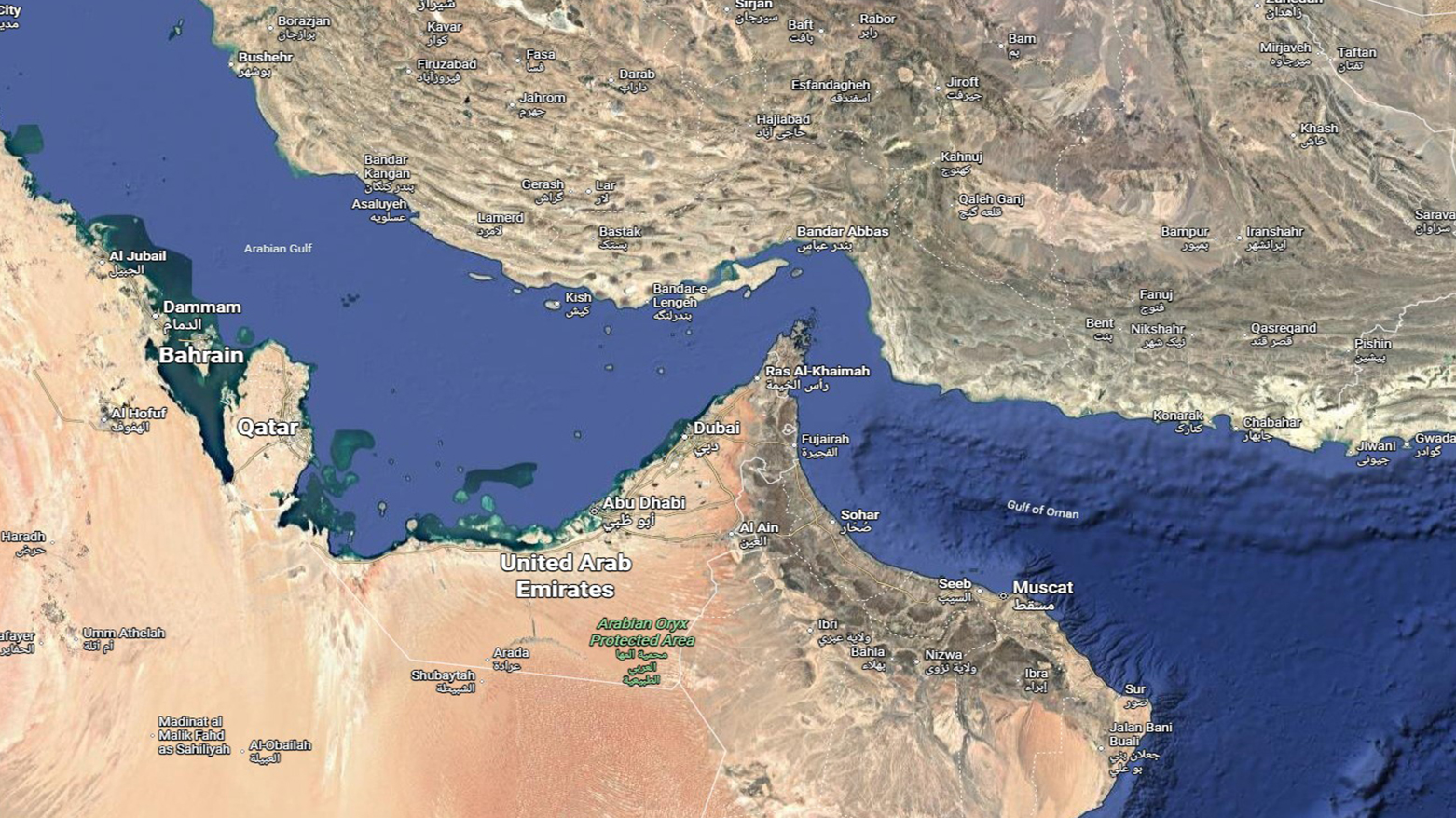
The Strait of Hormuz, located between the Persian Gulf and the Gulf of Oman, handles nearly one-fifth of the world’s oil and gas shipments, making it one of the most strategically important maritime chokepoints. Disruptions in the strait have previously led to spikes in global fuel prices and heightened concerns over energy security.
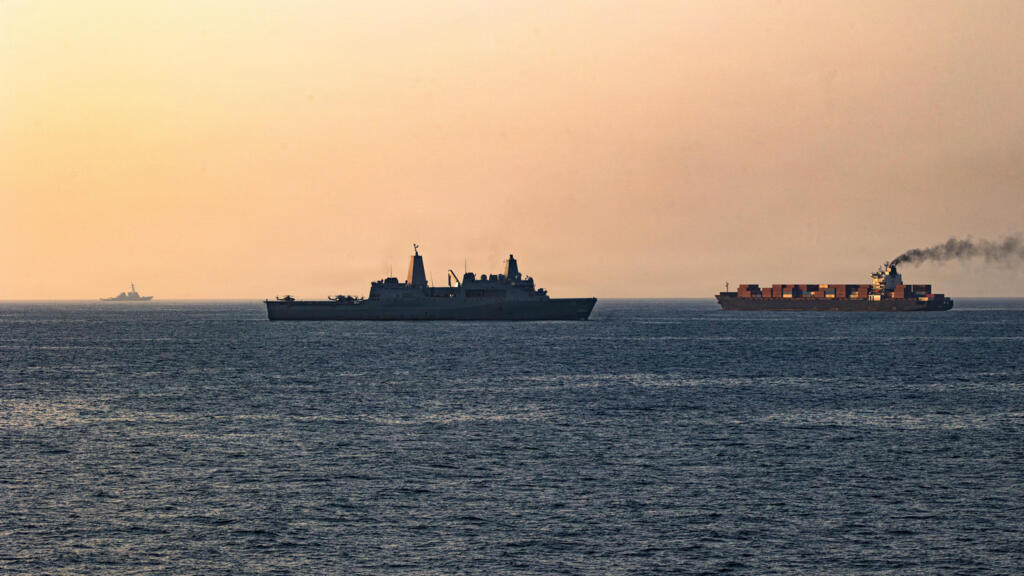
Recent weeks have seen a modest increase in vessel transits, including commercial tankers and container ships, reflecting cautious attempts to maintain essential trade flows. While this uptick is still below normal levels, it indicates that some shipping companies are negotiating passage or relying on bilateral arrangements with Iran.
Iraqi officials welcomed the exemption but emphasized that the practical impact will depend on whether international shipping operators consider the strait safe amid ongoing regional hostilities. For Iraq, whose oil exports have been constrained by restricted access, the decision could offer a lifeline for its energy sector and trade-dependent economy.
Despite the concession to Iraq, Iran continues to enforce transit restrictions on countries it considers hostile, maintaining a firm grip on the strait. International actors, including the United States and European nations, have repeatedly called on Tehran to reopen the corridor to all commercial vessels, warning that continued restrictions risk further destabilizing energy markets and global oil supply chains.
As regional tensions persist, the status of the Strait of Hormuz remains a critical factor for global energy security and maritime commerce. Analysts note that any policy shifts, such as Iran’s exemption for Iraqi vessels, will be closely watched by oil traders, shipping companies, and governments seeking to avoid disruptions in an already fragile energy market.