





Global Alliances Shift as Donald Trump’s Policies Trigger Strategic Realignment
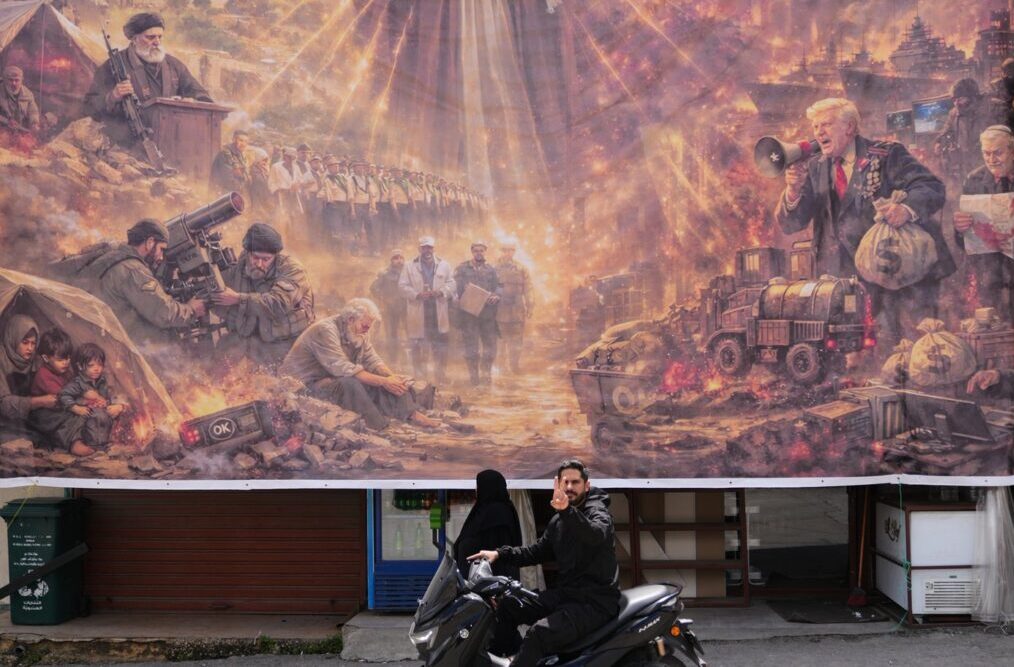
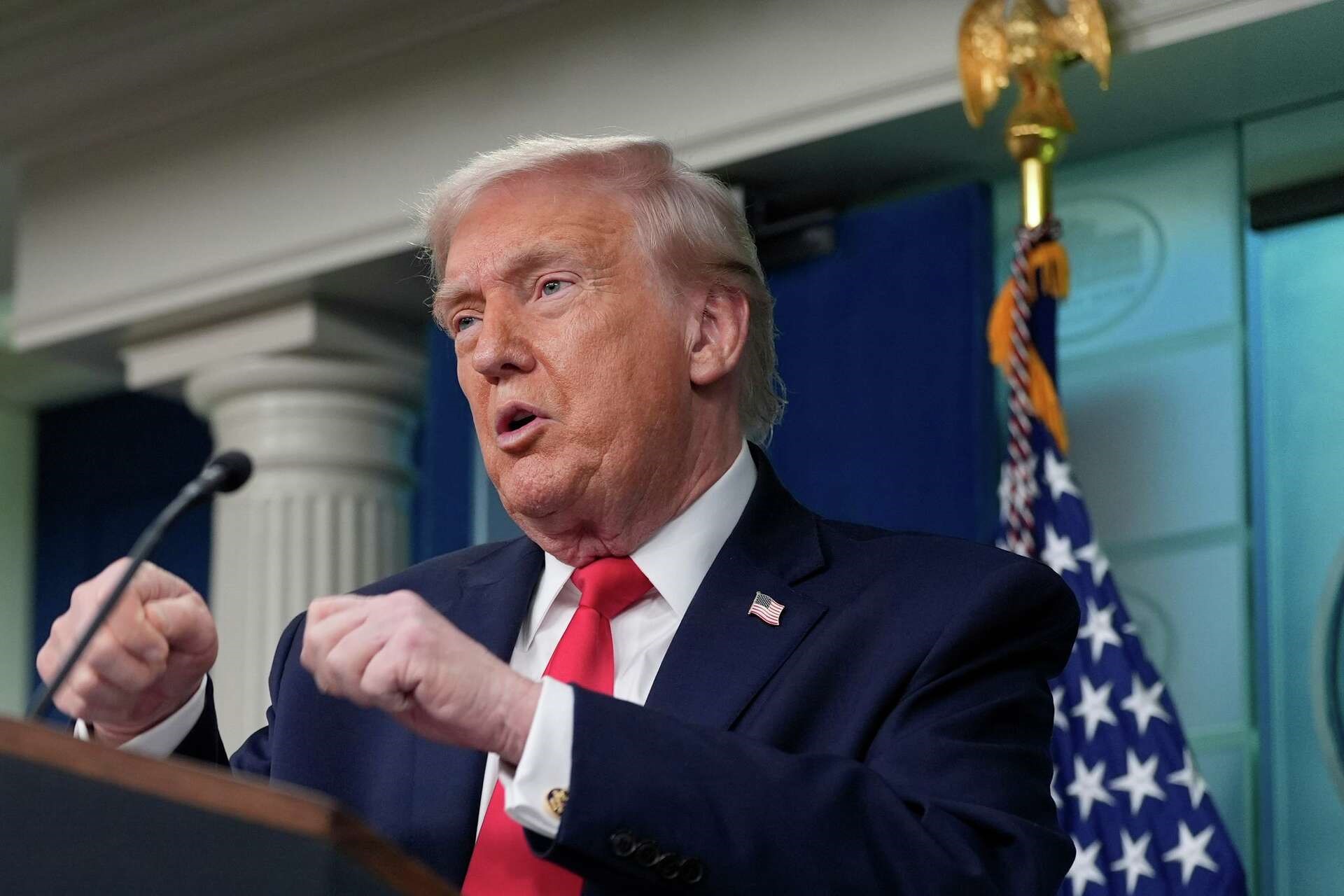
The foreign policy direction of Donald Trump is increasingly being seen as a catalyst for a major realignment in global alliances, raising concerns that long-standing U.S. partners could be sidelined in an evolving international order.
Recent developments suggest that Washington’s approach to diplomacy is undergoing a significant shift, with a stronger emphasis on unilateral decision-making and transactional relationships. This change has unsettled traditional allies across Europe and Asia, many of whom are reassessing their strategic positions amid growing uncertainty about U.S. commitments.
In Europe, leaders have expressed concern over what they describe as unpredictable policy moves, particularly in areas related to security and trade. The lack of clear coordination has prompted discussions about strengthening regional autonomy, with some governments exploring independent defense strategies and new economic partnerships to reduce reliance on Washington.
At the same time, emerging powers are seizing the opportunity to expand their influence. Countries such as China and Russia are actively positioning themselves as alternative partners, engaging in diplomatic and economic initiatives that appeal to nations seeking stability and long-term cooperation. Analysts warn that this could gradually shift the balance of power away from traditional Western alliances.
In Asia and the Middle East, similar trends are taking shape. Longtime U.S. allies are diversifying their partnerships, pursuing closer ties with regional players and investing in self-reliance to hedge against potential shifts in American policy. This recalibration reflects a broader concern that reliance on a single global power may no longer guarantee stability.
Supporters of Trump’s strategy argue that the approach prioritizes national interests and encourages allies to take greater responsibility for their own security and economic resilience. Critics, however, contend that the erosion of trust and predictability risks weakening the very alliances that have underpinned global stability for decades.
The implications of this realignment are far-reaching. As alliances evolve and new partnerships emerge, the global political landscape is becoming more fragmented and competitive. The shift could redefine diplomatic norms, alter trade patterns, and reshape security frameworks in ways that will have lasting consequences.
As the world adapts to these changes, one thing is clear: the traditional structure of global alliances is being tested, and the decisions made today will play a crucial role in shaping the future of international relations.