








WHO Says No Evidence of Wider Hantavirus Outbreak Despite Rising Concerns
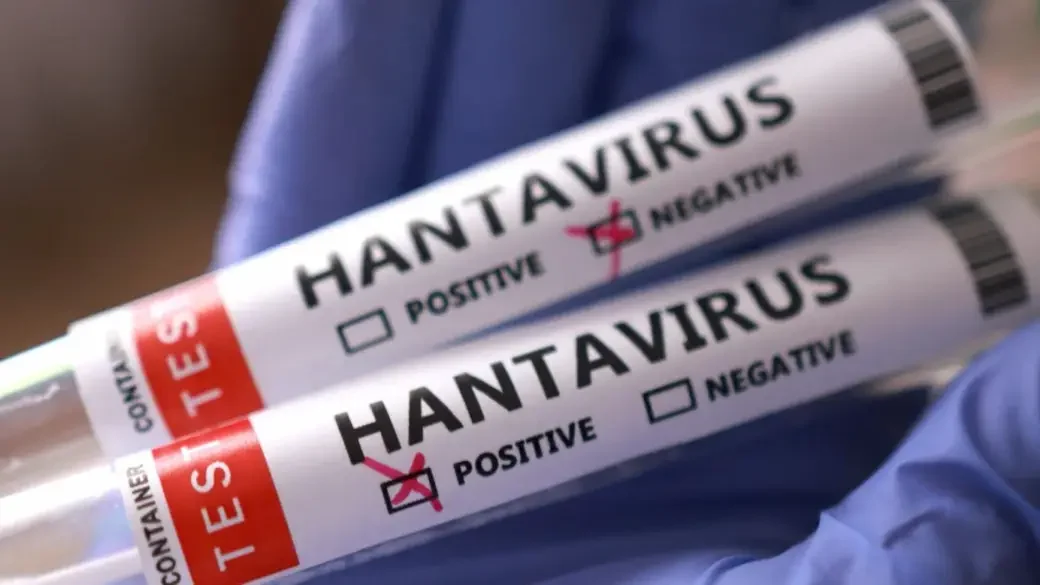
The World Health Organization has stated that there is currently no sign of a larger hantavirus outbreak, seeking to calm growing public concern following reports of isolated infections in several countries. Health officials emphasized that hantavirus infections remain rare and are usually linked to direct exposure to rodents or their droppings rather than widespread human-to-human transmission.
The UN health agency noted that while sporadic cases are being monitored closely, available data does not indicate any unusual global spread. Experts explained that hantaviruses are a family of viruses mainly carried by rodents and can cause serious respiratory or kidney-related illnesses in humans. People are typically infected after inhaling virus particles from contaminated dust in areas where rodents are present.
WHO officials stressed that most outbreaks remain localized and are often connected to environmental conditions that increase contact between humans and infected rodents. Authorities are continuing surveillance efforts in affected regions and are working with local governments to ensure rapid detection and response to any new cases.
Public anxiety over hantavirus has increased in recent weeks due to social media discussions and comparisons to past global health emergencies. However, medical experts caution against misinformation, saying the current situation does not resemble the early stages of a pandemic. According to WHO, there is no evidence suggesting sustained human-to-human transmission in the reported cases under investigation.
Health agencies are advising people to take preventive measures, especially in rural or poorly ventilated spaces where rodents may be present. Recommendations include sealing homes against rodent entry, safely cleaning areas contaminated by rodent waste, and using protective equipment when handling potentially infected materials.
Doctors also urged individuals to seek medical attention if they experience symptoms such as fever, muscle aches, breathing difficulties, or severe fatigue after exposure to rodents or infested environments. Early diagnosis and supportive treatment can significantly improve recovery chances.
While researchers continue studying the virus and monitoring developments, WHO reiterated that the overall public health risk remains low at this time. The agency called for vigilance, accurate information sharing, and cooperation between countries to prevent unnecessary panic and ensure preparedness if the situation changes.