









Pakistan’s finance minister has cautioned that taxes will need to be increased in order to stop the cycle of seeking bailouts
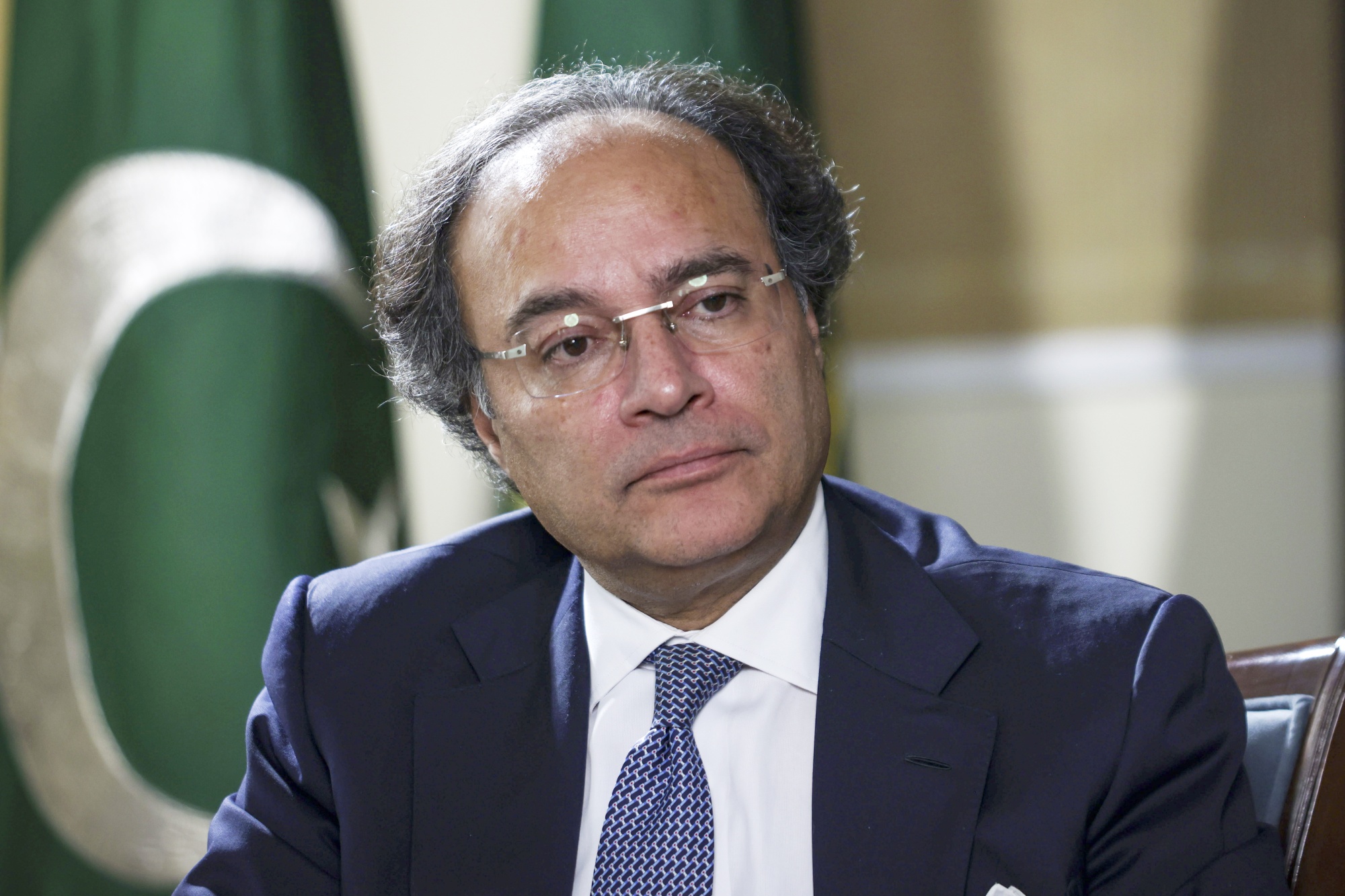
Pakistan’s finance minister, Muhammad Aurangzeb, has warned that the country’s upcoming IMF bailout will not be the last if the government fails to significantly increase tax revenue. He expressed confidence in reaching a staff-level agreement with the IMF this month for a loan between $6 and $8 billion. However, he emphasized that further IMF programs will be necessary if tax revenues are not raised.
Aurangzeb, a former career banker, was appointed by Prime Minister Shehbaz Sharif in March to lead one of Asia’s most troubled economies. Pakistan has been dealing with double-digit inflation, slow growth, and low foreign reserves. Last year, Pakistan narrowly avoided default with the help of a $3 billion IMF emergency loan, which expired in April. Aurangzeb announced a budget last month focused on increasing public revenue through taxes, in line with the IMF’s demands to improve tax collection and reduce energy subsidies, despite being politically unpopular.
The government aims to increase revenue by 40% from the current financial year to about Rs13 trillion ($46.6 billion) by next July in order to reduce the heavy debt burden. Currently, 57% of government revenue goes toward interest payments. The proposed tax hikes will primarily affect salaried workers, who make up a small portion of Pakistan’s mostly informal economy, as well as some retail and export businesses. Additionally, the budget includes penalties for those who avoid paying income tax, such as restrictions on mobile phone usage, gas and electricity access, and the ability to travel abroad.
Picture : Arab news