










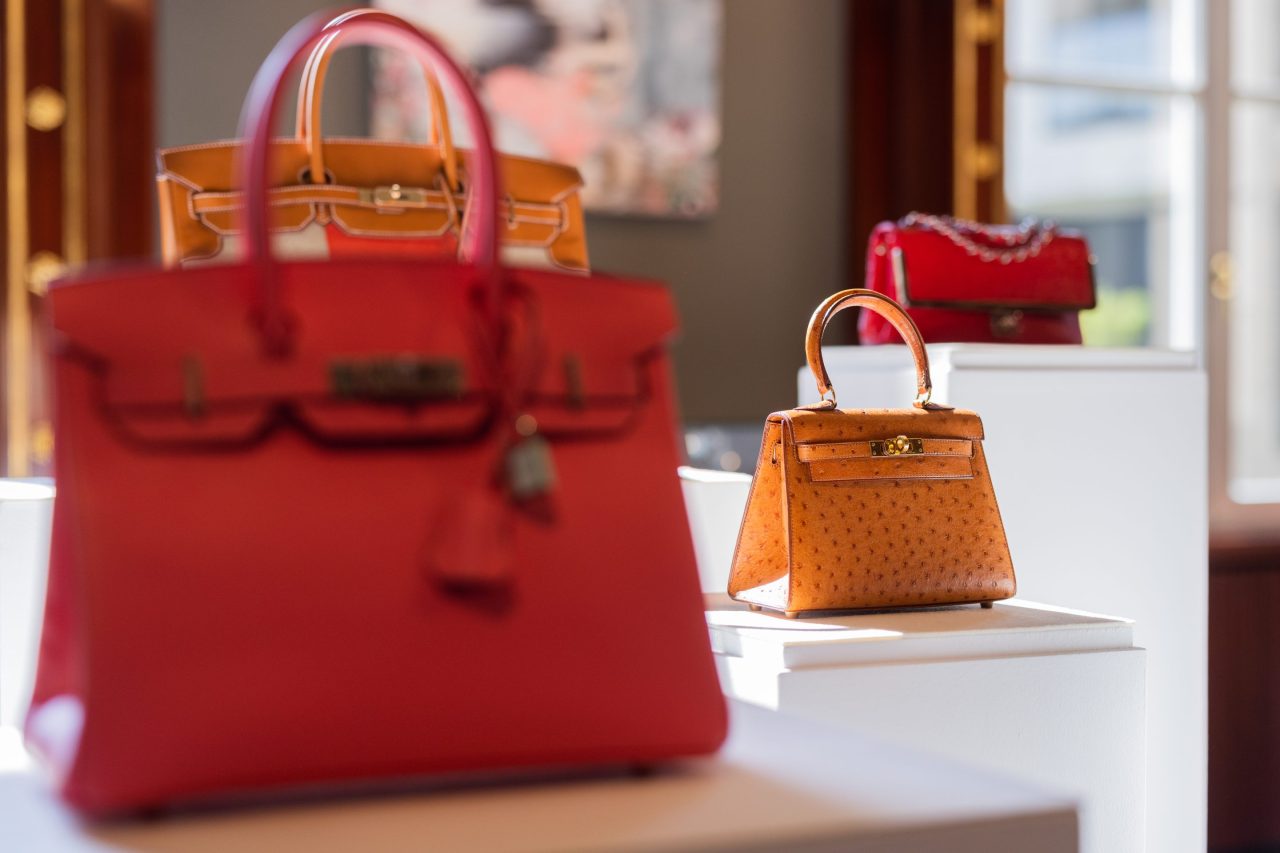
Gen Z Women Are Being Sold a Risky Dream: The Realities Behind ‘Investing’ in Designer Bags Like the Hermès Birkin
“Buy a Birkin, not stocks” — it’s a mantra echoing across TikTok and Instagram. But is this luxury trend empowering Gen Z women financially, or selling them a high-risk fantasy dressed as financial freedom?
Introduction
A new wave of content is sweeping through social media platforms like TikTok, Instagram, and YouTube, targeting Gen Z women with messages that blend luxury with financial aspiration. Influencers and luxury resellers claim that buying designer bags — especially the Hermès Birkin — is not only stylish, but also an “investment” smarter than stocks or real estate.
But beneath the glossy photos and viral unboxings lies a more complex truth: the narrative of “investing” in luxury handbags can be misleading, high-risk, and financially damaging if not approached with clarity and caution.
The Rise of Luxury as Investment on Social Media
Influencers and online stylists have helped redefine handbags from fashion accessories into “alternative assets.” Posts comparing the rising prices of Hermès Birkin bags to the S&P 500 or gold have fueled the idea that luxury goods — especially limited-edition or exclusive pieces — are more than material objects; they are investment vehicles.
This narrative is particularly appealing to Gen Z, a generation raised in a digital-first world but wary of traditional finance due to economic instability, inflation, and volatile job markets.
Why the Hermès Birkin Became the Poster Child
The Hermès Birkin bag is considered one of the most coveted luxury items in the world, often costing anywhere between $10,000 to over $200,000 depending on rarity, material, and condition. Its appeal stems from:
- Exclusivity: Birkin bags aren’t sold to just anyone. You often need to build a purchase history or be selected.
- Resale Value: Some rare pieces appreciate in value over time, especially those made from exotic leathers or released in limited numbers.
- Celebrity Endorsement: Pop culture — from Sex and the City to Cardi B — has mythologized the Birkin as a status symbol.
Luxury bag resellers and even some finance influencers cite data showing certain Birkin models outperforming stocks or real estate. But that’s not the whole picture.
The Risks Behind the Dream
While it’s true that some designer handbags can appreciate in value, the notion that luxury bags are guaranteed investments is misleading. Here’s why:
1. Lack of Liquidity
Unlike stocks or mutual funds, you can’t easily “cash out” a Birkin. Selling a bag takes time, involves platform fees, and depends on market demand.
2. Condition-Dependent
Resale value depends heavily on the bag’s condition. Minor scratches, stains, or signs of wear can significantly drop its market value.
3. Market Volatility
The luxury resale market is trend-driven. What’s valuable today might not be in five years. Even iconic bags lose value in down markets.
4. High Entry Barriers
A single Birkin bag costs more than many people’s annual savings. Encouraging young women to spend five figures on a “starter investment” can create long-term financial strain, especially when bought on credit or installment plans.
5. Not a Regulated Asset Class
Unlike securities, luxury handbags are not protected by regulation. There are no guarantees, no oversight, and high risks of counterfeits in the resale market.
The Role of Influencer Culture
Gen Z often seeks relatable financial advice outside traditional institutions, turning instead to influencers who blend fashion and finance in ways that feel accessible. But the problem is that:
- Many influencers don’t disclose affiliate partnerships or the true cost of ownership.
- Bag flipping is presented as a side hustle, but rarely includes transparency about fees, storage, maintenance, or tax implications.
- Luxury resellers amplify FOMO by claiming “this bag doubled in value in three years,” without noting that most buyers don’t experience similar returns.
The Psychology of Designer ‘Investing’
This trend taps into more than finance — it appeals to emotions: status, success, independence, and control. For Gen Z women, who face rising living costs and job insecurity, owning a Birkin might feel like a shortcut to financial validation. But conflating consumerism with investing is a dangerous slope.
What Real Financial Experts Say
Most financial advisors caution against treating designer bags as primary investments. While alternative assets can be part of a diversified portfolio, they should not replace traditional savings, emergency funds, or retirement planning.
Experts suggest asking yourself:
- Would I still buy this if it never appreciated in value?
- Am I financially stable enough to take this risk?
- Is this purchase driven by FOMO or long-term strategy?
Smarter Alternatives for Gen Z Women
Instead of falling for influencer-driven luxury investing myths, consider:
- Learning about index funds and compound interest.
- Starting low-cost SIPs (Systematic Investment Plans).
- Exploring fractional investing platforms for stocks or ETFs.
- Building a diversified portfolio including both traditional and alternative assets, once basics are covered.
Conclusion: A Bag Is Not a Portfolio
Luxury fashion can be empowering. Owning a Birkin or Chanel may feel like a milestone of success. But calling it an “investment” without acknowledging the financial realities is not just misleading — it’s risky.
Gen Z women deserve better financial education, not dreams packaged in crocodile leather and gold hardware. It’s time to separate self-worth from net worth, and style from strategy.
Let the Birkin be a bag — not a bank.