







Trump Demands $10,000 Bonuses for Air Traffic Controllers Who Worked During Shutdown—and Pay Cuts for Those Who Didn’t Amid Flight Chaos
In a dramatic escalation of the ongoing debate around the federal workforce, former President Donald Trump has called for $10,000 bonuses for air traffic controllers (ATCs) who continued working during the government shutdown—and pay cuts for those who did not. The proposal arrives at a moment when America’s aviation system is already under intense pressure, facing flight delays, staffing shortages, and widespread passenger frustration.
The statement has ignited political, economic, and aviation-industry discussions, raising questions about fairness, employee protection, and the long-term stability of crucial public services.
A Shutdown That Shook America’s Skies
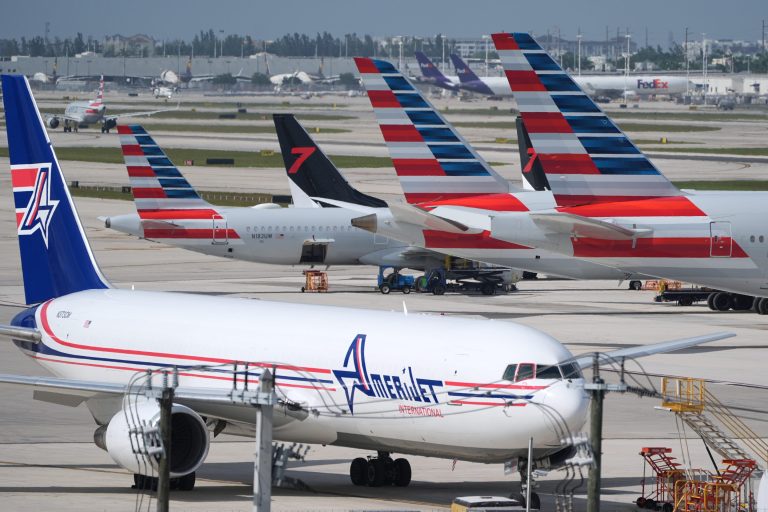
The recent government shutdown created massive uncertainty across the aviation sector. While air traffic controllers are considered essential personnel and required to work even without pay, not all employees were able—or willing—to continue reporting for duty.
This led to:
- Longer wait times
- Reduced staffing at major airports
- Flight cancellations and diversions
- Overstressed air traffic personnel
Aviation experts warned that even small staffing disruptions can have ripple effects across the entire national airspace system. In that context, Trump’s comments targeted what he describes as “commitment to duty during crisis.”
Trump’s Proposal: Rewards for Loyalty, Penalties for Absence
At a rally and subsequent social media posts, Trump argued that those who showed up to work during the crisis should be rewarded. His specific suggestions included:
✅ A $10,000 one-time bonus
For air traffic controllers who continued to work without pay.
✅ Special recognition for “service during shutdown”
Including potential consideration for career advancement or merit benefits.
❌ Pay cuts or disciplinary review
For those who did not report to work, unless they had approved exemptions or medical reasons.
Trump framed it as a matter of “loyalty, responsibility, and patriotism,” arguing that the aviation sector cannot afford unreliability during emergencies.
Critics Call the Plan Divisive and Dangerous
While supporters view the proposal as a productivity-boosting incentive, critics say it sets a troubling precedent.
Main arguments against Trump’s idea include:
- Punishing workers during a shutdown—when they are already financially vulnerable
- Ignoring burnout, lack of childcare, and transportation issues caused by the shutdown
- Turning a systemic problem into a loyalty test
- Risking deeper workforce shortages in an already strained profession
Labor unions representing air traffic controllers called the proposal “unfair and counterproductive,” pointing out that many employees face extreme stress, long hours, and mental fatigue.
Aviation Industry Responds: Safety Should Not Be Politicized
Airline executives and aviation analysts have weighed in, warning that heavy-handed policies could undermine safety, the top priority in air traffic control.
Key industry concerns include:
- Reduced morale among an already overstretched workforce
- Potential surge in resignations or early retirements
- Longer-term staffing shortages that could affect the next decade
- Unpredictable flight disruptions due to uneven staffing
Given that training a new air traffic controller can take 2–4 years, many believe any policy deterring applicants or discouraging current staff could destabilize the entire system.
Why This Debate Matters for America’s Travel Future
The U.S. aviation system has been struggling with:
- Aging workforce
- Post-pandemic staffing gaps
- Rising passenger numbers
- Frequent delays and congestion
- High pressure on safety systems
Any policy affecting ATC staffing has nationwide consequences—impacting commercial airlines, private aviation, cargo, business travel, and tourism.
This is why Trump’s proposal has quickly evolved from a political statement into a central topic of national debate.
What Happens Next?
Congressional leaders and federal aviation officials will likely address:
- Whether the FAA can implement bonus-based rewards
- If penalties during shutdowns violate labor protections
- Policy frameworks for future government shutdowns
- Funding for long-term recruitment and training
As the shutdown fallout continues, both parties are expected to propose reforms aimed at stabilizing America’s airspace infrastructure and workforce reliability.
Conclusion
Trump’s demand for $10,000 bonuses for working air traffic controllers and pay cuts for those who didn’t has become a polarizing national issue. Supporters see it as rewarding dedication; critics view it as punitive and dangerous. Amid flight chaos and systemic strain, the debate highlights one undeniable truth: America’s aviation system is vulnerable—and how we treat its workforce will determine its future stability.