










Global Markets in Turmoil as Oil Prices Plunge on US–Iran Ceasefire Hopes; Inflation and Tech Risks Mount
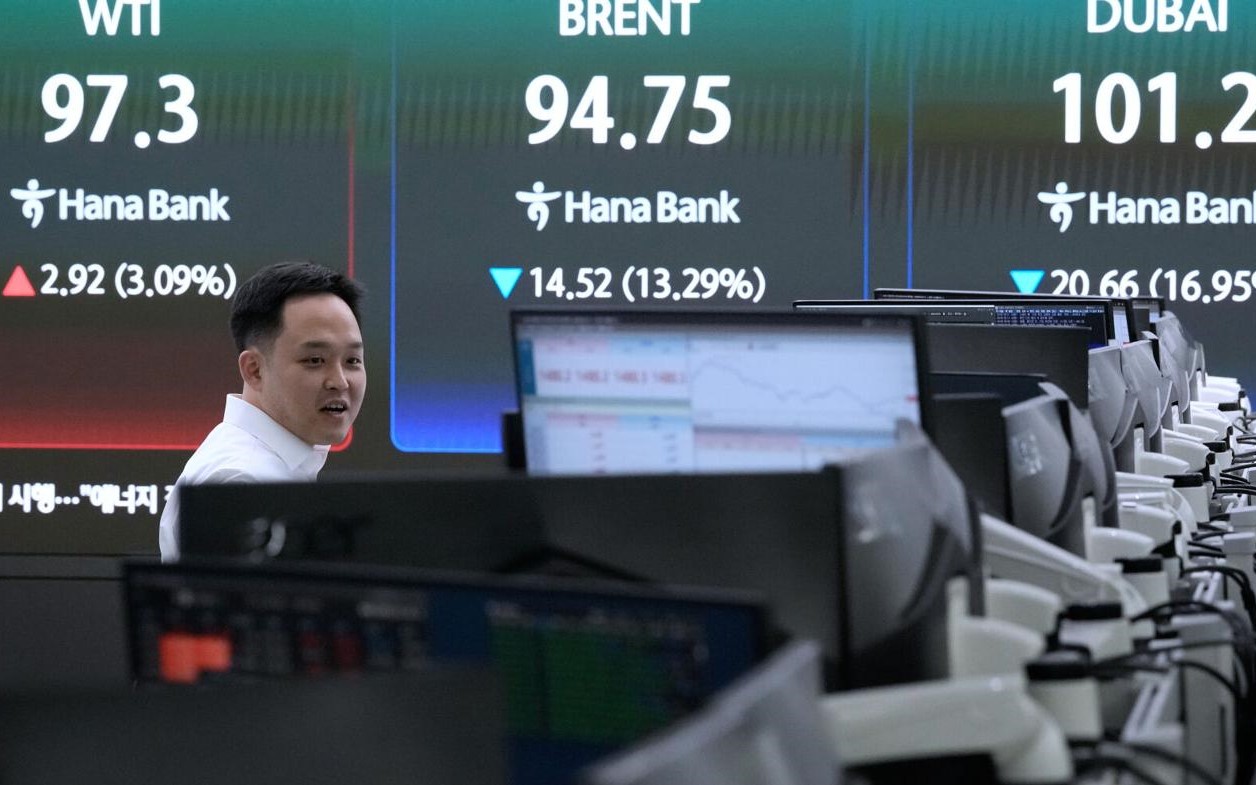
Global markets were thrown into turmoil on Friday as oil prices swung sharply following a fragile ceasefire between the United States and Iran, with investors struggling to assess whether tensions in the Middle East are truly easing or merely paused.
Crude oil prices initially plunged after reports of a temporary agreement that raised hopes of reduced conflict and improved shipping conditions through the Strait of Hormuz, a vital route for global energy supplies. The decline reflected a rapid unwinding of war-risk premiums that had pushed prices to elevated levels in recent weeks.
However, the move quickly reversed into volatile trading as uncertainty grew over the durability of the ceasefire. Conflicting signals from the region and continued concerns about maritime security kept traders on edge, preventing any sustained stabilization in oil markets.
Equity markets also reacted sharply. Stocks initially rallied on expectations that lower oil prices would ease inflation pressures and improve economic conditions for consumers and businesses. But gains proved unstable as investors reassessed geopolitical risks and the possibility of renewed escalation.
Energy stocks fell alongside crude prices, while sectors such as airlines and transport briefly benefited from expectations of lower fuel costs. Currency markets also experienced fluctuations as traders weighed the potential impact on inflation and central bank policy decisions.
Despite the temporary easing in tensions, the Strait of Hormuz remains a key source of concern. Shipping activity has not fully returned to normal, and elevated insurance costs continue to discourage full-scale maritime traffic through the region. Analysts warn that any disruption could quickly send oil prices higher again.
Inflation remains another major concern for global policymakers, as recent spikes in energy prices continue to filter through consumer economies. Central banks are expected to remain cautious amid ongoing uncertainty in energy markets.
Analysts say volatility is likely to continue in the near term, with markets highly sensitive to any political or military developments involving the US and Iran.