









China Factory Activity Beats Expectations in April, But Slowing Orders Signal Cautious Economic Outlook
China’s manufacturing sector showed better-than-expected performance in April, according to recent economic indicators, but underlying data suggests that growth momentum is beginning to weaken as new orders soften.
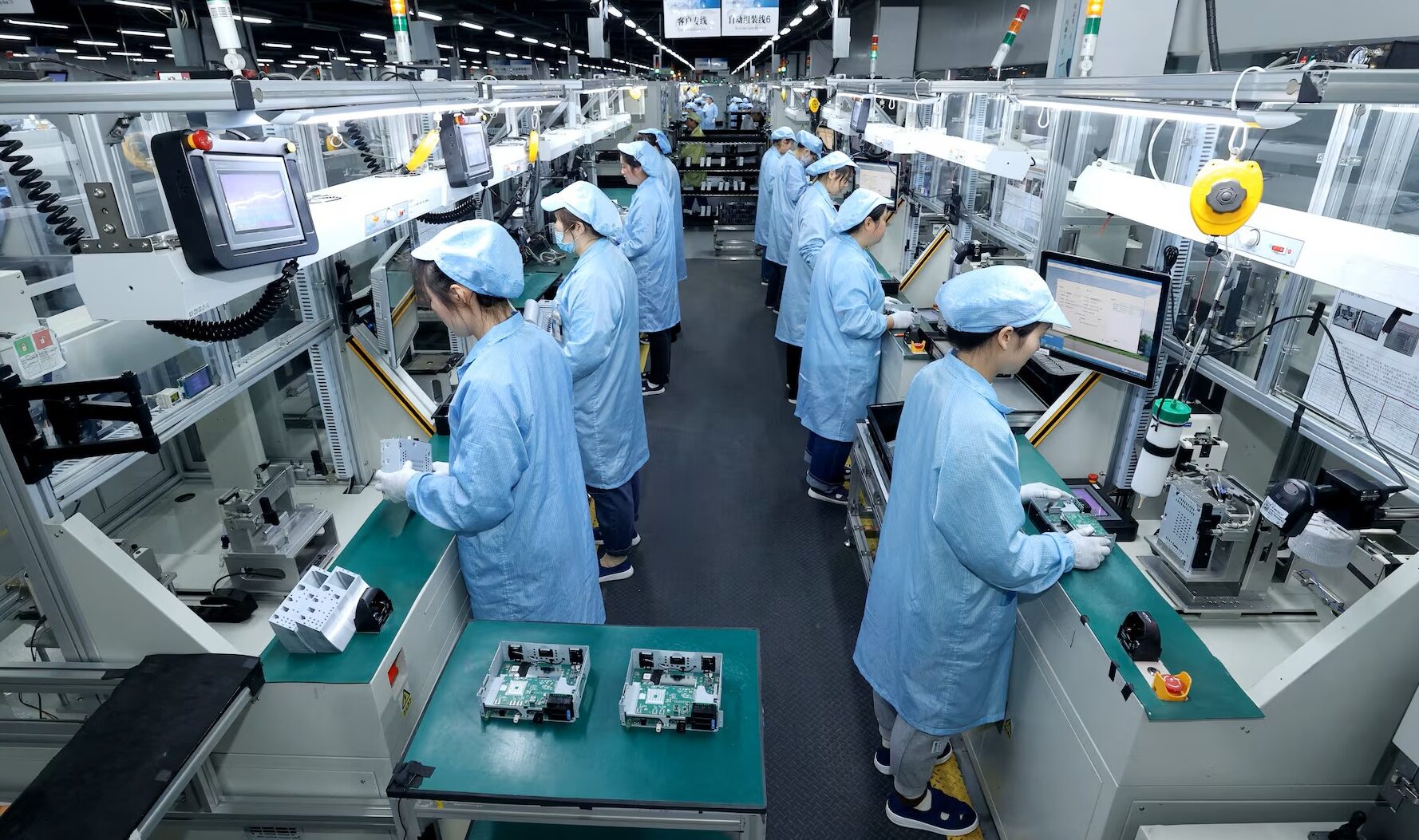
The latest manufacturing reading indicates that industrial activity remains in expansion territory, supported by steady production levels and ongoing factory output. However, economists note that the pace of growth has slowed compared to previous months, raising concerns about future demand conditions.
A key factor behind the slowdown is the decline in new orders, which serve as an important indicator of future manufacturing activity. Weaker domestic and international demand suggests that businesses may adopt a more cautious approach in the coming months, potentially affecting production levels and employment trends in the sector.
Despite these concerns, the fact that factory activity still exceeded market expectations reflects resilience in the world’s second-largest economy. Government support measures, infrastructure investment, and stable export performance have helped sustain manufacturing output even amid global economic uncertainty.
Financial markets are closely watching China’s economic signals, as the country plays a critical role in global supply chains and commodity demand. Any slowdown in its manufacturing sector can have ripple effects on international trade, raw material prices, and investor sentiment worldwide.
Economists believe that the coming months will be crucial in determining whether the current slowdown is temporary or part of a broader trend. Much will depend on global demand recovery, policy support, and stability in external markets.
In conclusion, while China’s factory activity in April has exceeded expectations, the softening of new orders highlights growing caution in the economic outlook. The situation reflects a balanced but fragile recovery, where strength in current output is being tempered by uncertainty about future demand.