










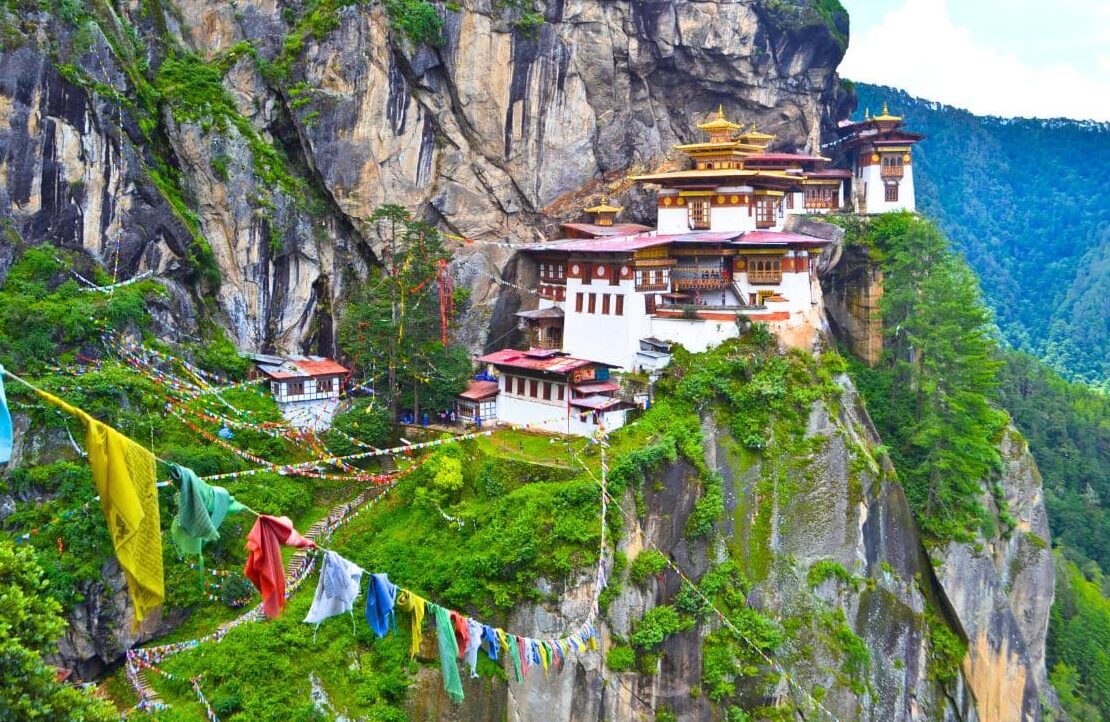
Bhutan Opens a New Chapter as Remote Kingdom Expands Access with New Airport and Planned Smart City
One of the world’s most isolated and tightly controlled travel destinations, Bhutan, is preparing for a major shift in its approach to tourism and connectivity, with the opening of a new international airport and plans for an ambitious modern city that could transform access to the country.
For decades, Bhutan has carefully managed visitor numbers through a high-value, low-impact tourism model designed to preserve its cultural heritage and fragile Himalayan environment. Strict entry requirements and daily visitor fees have helped limit mass tourism, keeping the kingdom largely untouched compared to other global destinations.
That approach is now beginning to evolve. A newly developed airport is expected to significantly improve international connectivity, reducing the barriers that have long made travel to Bhutan both expensive and logistically challenging. Officials say the facility will allow more efficient arrivals while still maintaining regulatory controls on tourism volumes.
Alongside the aviation upgrade, Bhutan is also moving forward with plans for a futuristic urban development often described as a “mindfulness city.” Designed to blend sustainability, traditional architecture, and modern infrastructure, the project aims to attract investment, create jobs, and support controlled tourism growth without sacrificing the country’s environmental commitments.
Tourism experts say the changes could mark a turning point for Bhutan’s economy, which has historically relied on limited visitor numbers and hydropower exports. Increased accessibility may bring new revenue streams, but also raises concerns about whether the country can maintain its carefully protected cultural identity in the face of growing global interest.
Officials have emphasized that Bhutan is not abandoning its tourism philosophy but adapting it for a new era. The government insists that any expansion will remain aligned with its “high value, low impact” strategy, ensuring that economic development does not come at the cost of environmental or cultural degradation.
As Bhutan steps cautiously toward greater openness, the world will be watching closely to see whether the Himalayan kingdom can balance modernization with preservation—transforming from one of the world’s most remote nations into one of its most carefully managed travel destinations.