








Iran Conflict Deepens as Trump Rejects Peace Proposal and Warns Against Premature End to War
Tensions between the United States and Iran have escalated further after U.S. President Donald Trump rejected the latest Iranian peace proposal, warning that any rushed agreement could risk renewed conflict in the near future.
Speaking to reporters, Trump said the proposal contained terms that were “not acceptable,” adding, “they’re asking for things I can’t agree to.” He also cautioned against what he described as an early end to the conflict, arguing that a poorly structured settlement could lead to instability returning “in three more years.”
The remarks come amid ongoing diplomatic efforts to end a prolonged confrontation between Washington and Tehran. According to officials involved in the discussions, Iran recently submitted a new proposal through mediators, but the U.S. administration quickly dismissed it, saying key demands remained incompatible with American positions.
Despite a temporary ceasefire in place, both sides remain divided over core issues, including sanctions relief, regional security arrangements, and Iran’s nuclear program. Negotiations have stalled repeatedly, with neither side showing willingness to significantly adjust its conditions.
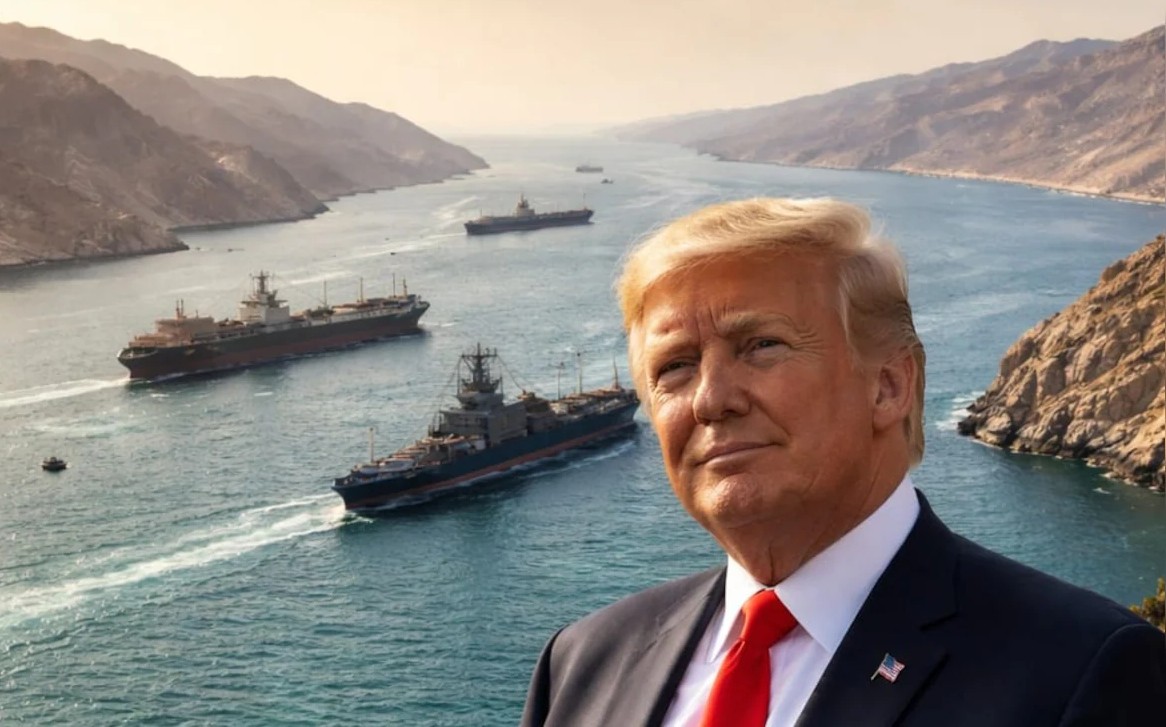
The conflict has already had wide-ranging consequences, contributing to volatility in global energy markets and raising concerns over key shipping routes. The situation is particularly sensitive around the Strait of Hormuz, through which a significant share of the world’s oil trade flows.
U.S. officials have also reinforced warnings to international shipping companies, stating that vessels engaging in transactions linked to Iran could face sanctions. The move is seen as part of a broader pressure strategy aimed at limiting Tehran’s financial and logistical leverage during negotiations.
Analysts say the latest developments highlight the fragility of the diplomatic process, with both sides maintaining hardline positions while avoiding full-scale escalation. While talks remain technically open, the lack of progress suggests that a durable agreement remains distant.
As the standoff continues, global observers warn that prolonged uncertainty could further destabilize the region and keep international markets on edge, particularly if negotiations collapse entirely.