










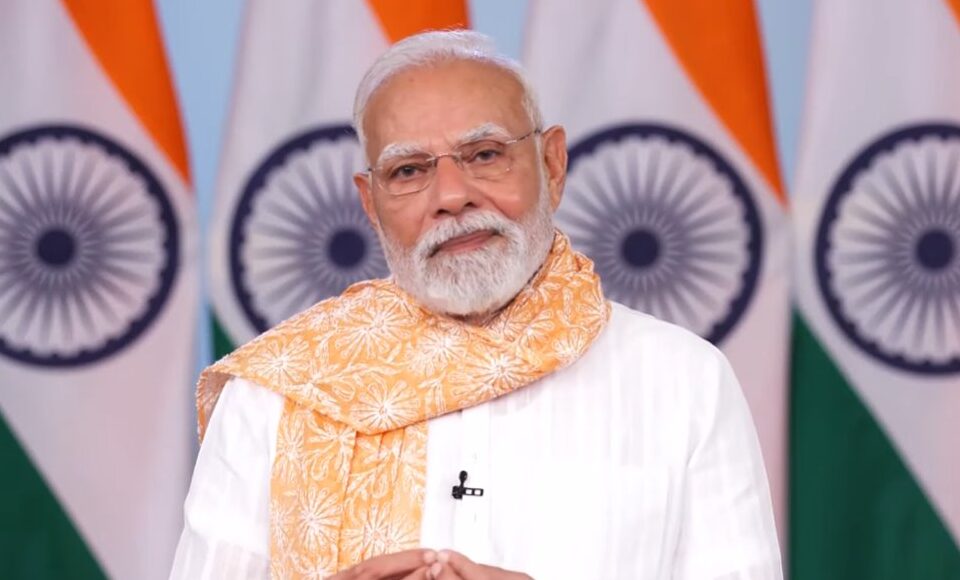
Modi’s Party Faces Defining Electoral Test as India Heads Into High-Stakes State Battles
India’s governing Bharatiya Janata Party (BJP), led by Prime Minister Narendra Modi, is heading into a series of crucial state elections that are widely seen as an important measure of its political strength ahead of future national contests.
The upcoming votes come at a sensitive moment, with the ruling party seeking to maintain its dominance across key regions while managing growing localised challenges on issues such as employment, inflation, and regional representation. Although the BJP continues to hold a strong position at the national level, state elections in India often serve as a critical test of public sentiment and organisational reach.
Political observers say the results will be closely watched for signs of momentum, particularly in states where the opposition has been attempting to rebuild its presence. Regional parties and alliances are also expected to play a significant role, potentially influencing outcomes in tightly contested constituencies.
For Modi’s party, the stakes extend beyond individual states. Strong performances would reinforce the BJP’s narrative of sustained national appeal and governance stability, while setbacks could signal vulnerabilities in specific regions and complicate longer-term electoral strategy.
Campaigning has focused heavily on development initiatives, infrastructure expansion, and welfare programmes, with the ruling party highlighting economic growth and national security as central achievements. At the same time, opposition groups have sought to capitalise on local grievances, particularly around cost-of-living pressures and job creation.
Analysts note that voter sentiment in India’s state elections is often shaped more by local issues and candidates than national leadership alone. This dynamic means outcomes can vary significantly across regions, even when national approval ratings remain relatively stable.
The BJP’s organisational strength and extensive grassroots network are expected to give it an advantage in several key battlegrounds. However, the party faces the challenge of maintaining voter enthusiasm and turnout, particularly in urban areas where economic concerns have become more pronounced.
Meanwhile, opposition parties are attempting to coordinate more effectively in some states, hoping that combined efforts can narrow the gap against the ruling party’s well-established political machinery. Whether these alliances translate into electoral gains remains uncertain.
As voting approaches, attention is intensifying on how the results will shape India’s broader political trajectory. While state elections do not directly determine national leadership, they are often interpreted as an indicator of political mood and momentum across the country.
For Modi and the BJP, the coming weeks represent more than a routine electoral cycle they are a crucial test of continued dominance in one of the world’s most politically complex democracies.