









Two New Suspected Hantavirus Cases Detected in Spain and Remote South Atlantic Island After Luxury Cruise Ship Outbreak
Health authorities are racing to contain a growing hantavirus outbreak linked to a luxury cruise ship after two new suspected cases were identified — one in Spain and another on the remote South Atlantic island of Tristan da Cunha.
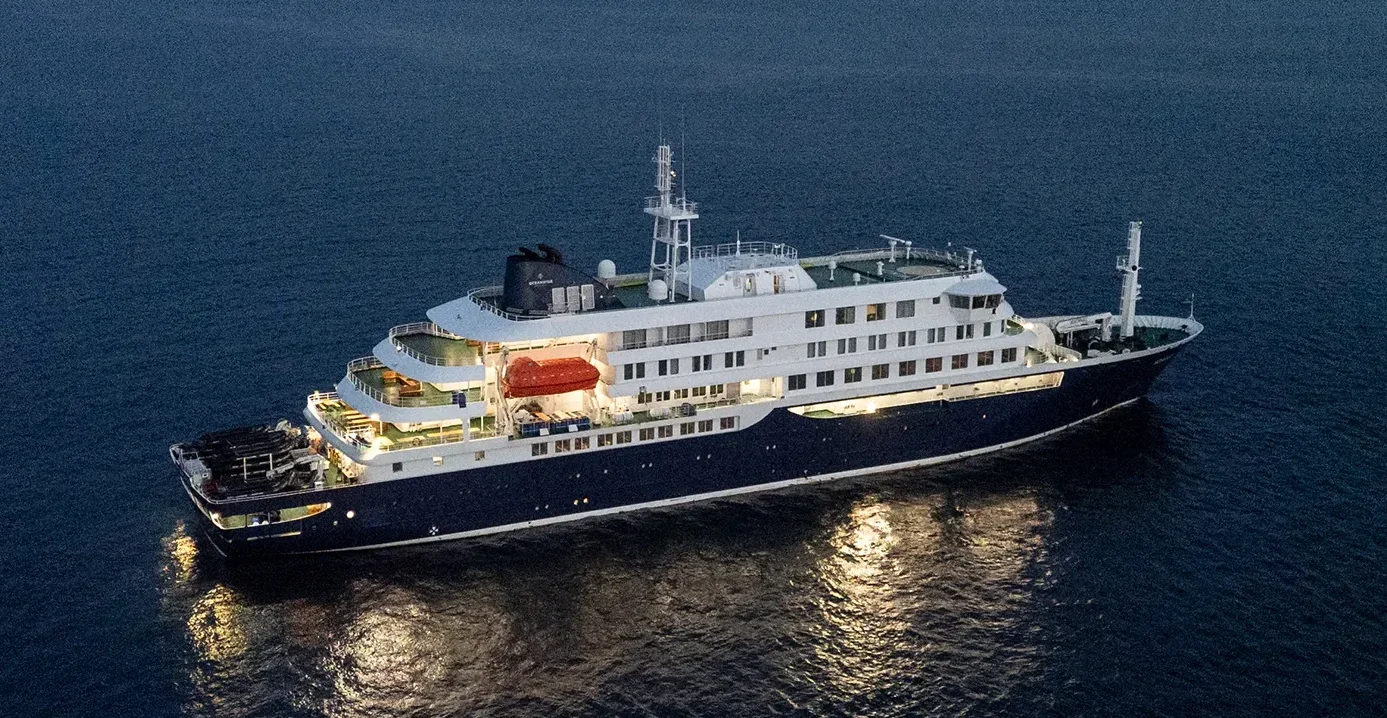
The outbreak, connected to the Dutch expedition cruise ship MV Hondius, has already triggered international concern after multiple passengers and crew members fell ill during a voyage across the South Atlantic. The ship had traveled through Antarctica and several isolated islands before reports of severe respiratory illness began to emerge.
Officials said the latest suspected case in Spain involves a woman who may have been exposed during travel linked to an infected passenger. Meanwhile, another possible infection is being investigated on Tristan da Cunha, one of the world’s most remote inhabited islands with a population of just a few hundred people.
The virus involved in the outbreak is believed to be the Andes strain of hantavirus, a rare form capable of limited human-to-human transmission. Hantavirus is usually spread through exposure to infected rodent urine, saliva, or droppings, but health experts say the Andes variant can occasionally pass between people through close contact.
The outbreak has already been linked to three deaths and several confirmed infections among passengers aboard the cruise ship. Authorities from multiple countries are now tracing travelers who may have come into contact with infected individuals after disembarking from the vessel.
The World Health Organization and national health agencies have intensified monitoring efforts as concerns grow over the international spread of the virus through modern travel routes. Medical teams are conducting contact tracing, isolation measures, and testing in several countries connected to the cruise itinerary.
Passengers remaining aboard the ship are reportedly under medical supervision as the vessel heads toward Spain’s Canary Islands, where emergency health protocols are expected to be activated upon arrival.
Experts stressed that the overall risk to the general public remains low but warned that the situation highlights how quickly infectious diseases can spread globally through tourism and international travel. Investigators are also working to determine whether the original source of exposure occurred onboard the vessel or during excursions on remote islands visited during the voyage.