










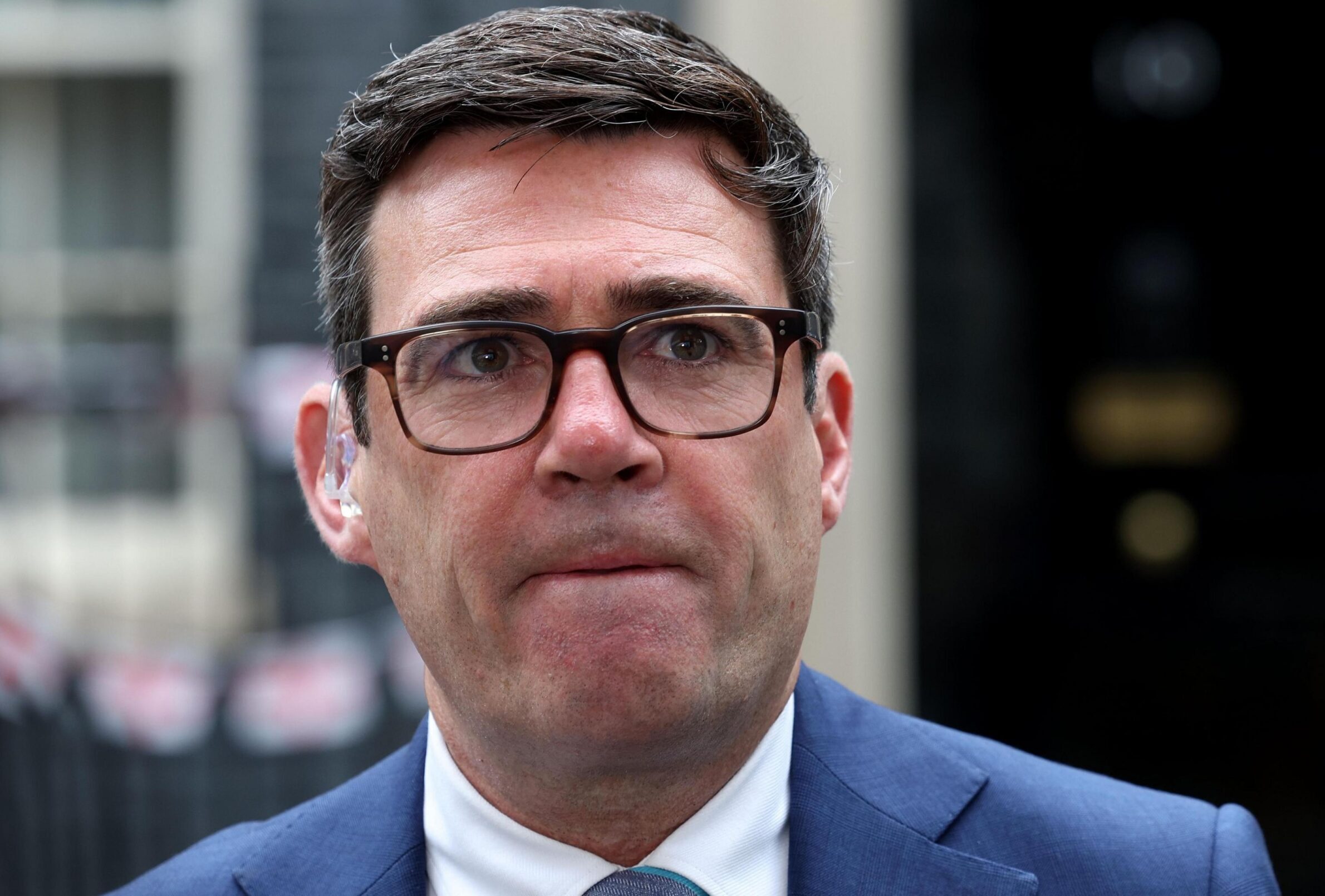
Andy Burnham Calls for Further Cuts to UK Net Migration as Figures Show Sharp Decline
UK net migration should fall further, Greater Manchester Mayor Andy Burnham has said, after new official figures showed levels have almost halved since 2024.
Speaking during a by-election campaign visit in Makerfield, Burnham said voters had repeatedly raised concerns about immigration during doorstep conversations, reflecting growing public debate around the issue. He noted that recent data indicated a “significantly down” trend in net migration, suggesting government policy was already having an impact.
According to the latest figures from the Office for National Statistics, net migration added 171,000 people to the UK population over the past year. Prime Minister Sir Keir Starmer acknowledged the figures, stating that while progress had been made, “there is more to do” on managing migration levels.
The data represents the lowest net migration figure recorded since 2012, excluding the period affected by the Covid-19 pandemic, when global movement was heavily restricted. The sharp decline has been viewed by government officials as evidence that recent policy adjustments are beginning to take effect.
Burnham said the government must now focus on “getting the balance right” between controlling immigration and maintaining economic stability. He also expressed support for the broad direction of reforms being introduced by Home Secretary Shabana Mahmood, particularly proposals aimed at making it more difficult for migrants to secure permanent settlement in the UK.
Home Secretary Mahmood has defended the planned changes, arguing that they are necessary to ensure fairness and to prevent what she described as a “drain on public finances.” The proposals form part of a wider government strategy to tighten immigration rules while still allowing controlled migration to support key sectors of the economy.
The debate comes at a politically sensitive time, with immigration remaining one of the most discussed issues across the UK. Policy decisions are increasingly being shaped by pressure to balance public concern, labour market needs, and long-term demographic trends.
As the government continues to refine its approach, the latest figures suggest migration levels are already moving downward, but political leaders remain divided on how far and how quickly they should fall.