

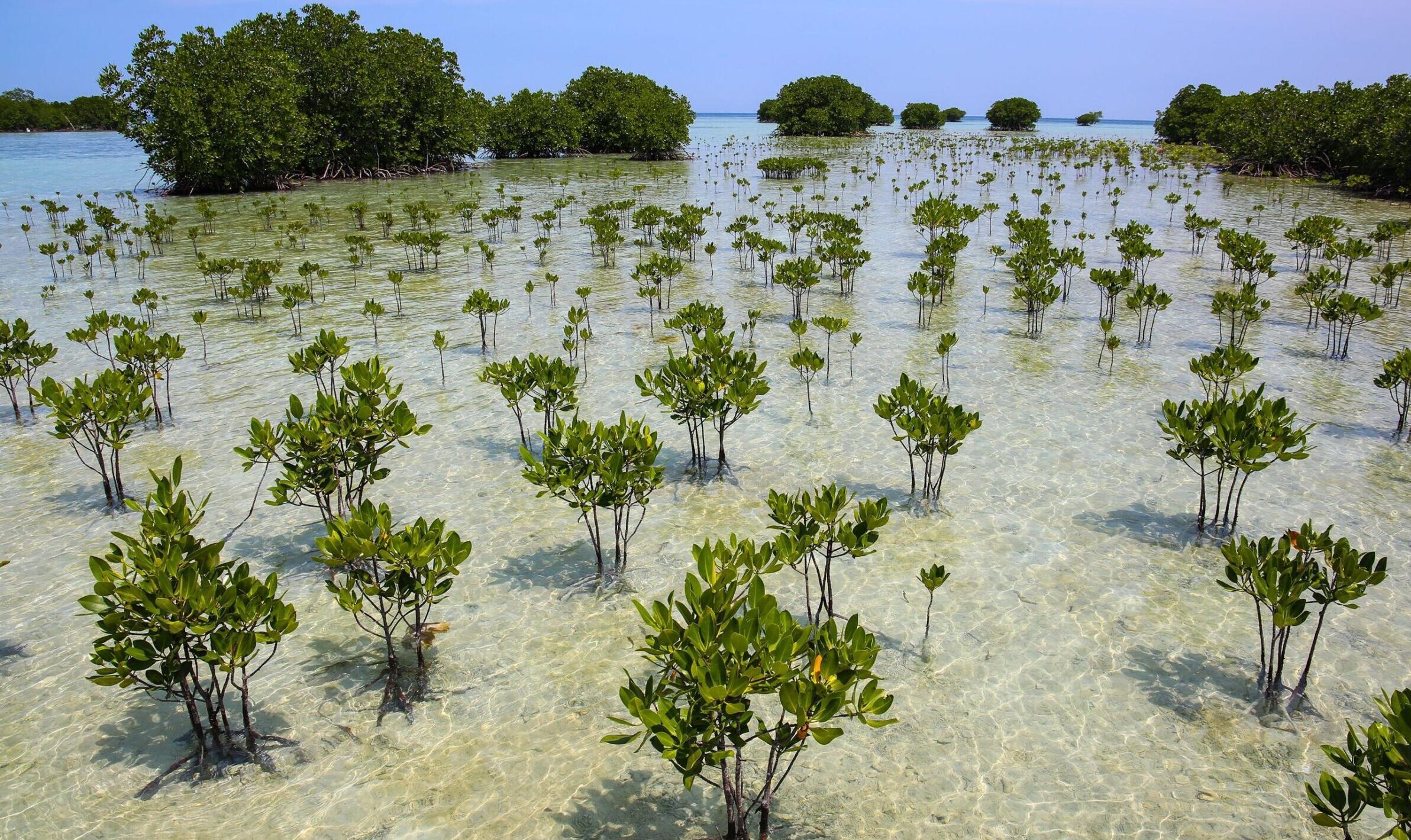








Mangrove Forests Stage a Surprising Comeback After Decades of Destruction
Mangrove forests, once among the world’s most threatened ecosystems, are showing encouraging signs of recovery after decades of destruction caused by human activity. New conservation efforts, restoration projects, and increased awareness of their environmental importance are helping these unique coastal forests regain lost ground.
Found along tropical and subtropical coastlines, mangroves play a critical role in protecting shorelines from storms, erosion, and rising sea levels. Their dense root systems act as natural barriers, reducing the impact of powerful waves and helping safeguard nearby communities. They also provide vital habitats for fish, birds, and other wildlife, making them essential to coastal biodiversity.
For many years, mangrove forests faced severe losses due to urban development, aquaculture, agriculture, and pollution. Large areas were cleared to make way for shrimp farms, tourism projects, and expanding coastal infrastructure. As a result, many countries witnessed significant declines in mangrove coverage, raising concerns among environmental experts.
However, recent studies indicate that the trend is beginning to reverse. Governments, environmental organizations, and local communities have launched ambitious restoration programs aimed at replanting mangroves and protecting existing forests. Improved conservation policies and greater recognition of the economic and environmental value of mangroves have also contributed to their recovery.
The comeback of mangrove forests carries significant benefits for the fight against climate change. Mangroves are among the most effective natural carbon sinks on Earth, capable of storing large amounts of carbon in their soils and vegetation. By absorbing and locking away carbon dioxide, they help reduce greenhouse gas concentrations in the atmosphere.
Coastal communities are also benefiting from healthier mangrove ecosystems. Restored forests improve fish populations, support local livelihoods, and strengthen natural defenses against extreme weather events, which are becoming more frequent due to climate change.
While challenges remain, conservationists view the recovery as a rare environmental success story. Continued investment in restoration and protection efforts will be essential to ensure that mangrove forests continue to thrive for future generations.
Their gradual return serves as a reminder that damaged ecosystems can recover when given the opportunity, offering hope for both people and the planet.