








Georgia Data Center Water Use Sparks Environmental Concerns Over AI Infrastructure
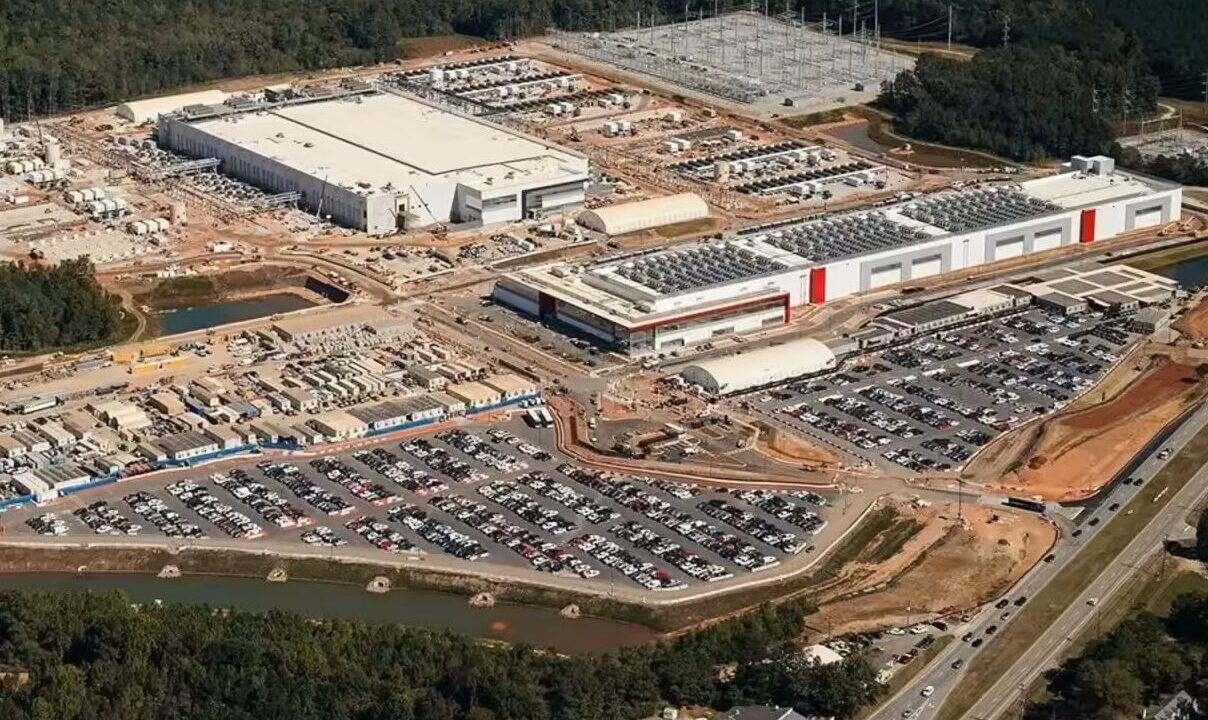
A growing controversy in Georgia has intensified debate over the environmental impact of artificial intelligence infrastructure after reports revealed that a major data center consumed approximately 29 million gallons of water, even as local residents were being urged to conserve water during periods of strain on supply.
The findings have raised questions about the hidden resource costs of rapidly expanding data centers, which power cloud computing and AI systems. The reported water usage, used primarily for cooling large-scale computing equipment, has drawn criticism from environmental advocates and community members who argue that such facilities place a heavy burden on local resources.
According to the reports, the data center’s water consumption occurred during a time when residents in surrounding areas were encouraged to reduce household water use due to environmental conditions and supply pressures. The contrast has fueled public concern over whether industrial-scale tech operations are being held to the same conservation standards as local communities.
Environmental experts note that modern data centers, particularly those supporting AI workloads, require significant cooling capacity to prevent overheating of servers. Water-based cooling systems are among the most common methods used, but they can lead to substantial consumption depending on facility size and workload intensity.
Critics say the situation highlights a broader challenge facing the technology sector as demand for AI services accelerates globally. While AI systems are often discussed in terms of innovation and economic benefit, their physical infrastructure relies heavily on energy and water resources that can strain local ecosystems.
Local residents and advocacy groups have called for greater transparency from tech companies operating large-scale facilities, as well as stronger regulations to ensure that industrial water use does not conflict with community conservation efforts. Some have also urged companies to invest more heavily in alternative cooling technologies that reduce reliance on water.
Supporters of data center development argue that such facilities bring jobs, investment, and technological growth to local regions. They also point out that many operators are working to improve efficiency and adopt more sustainable practices over time.
However, the controversy has added to ongoing scrutiny of the environmental footprint of AI and cloud computing infrastructure, particularly as global demand for data processing continues to rise. Policymakers are increasingly being pressed to balance technological advancement with environmental responsibility.
As the debate continues, the Georgia case has become a focal point in the wider conversation about how much natural resource consumption should be acceptable in the era of artificial intelligence.