








Taiwan Warns of Shrinking Warning Time for Potential Chinese Military Action, Urges Immediate Response Readiness
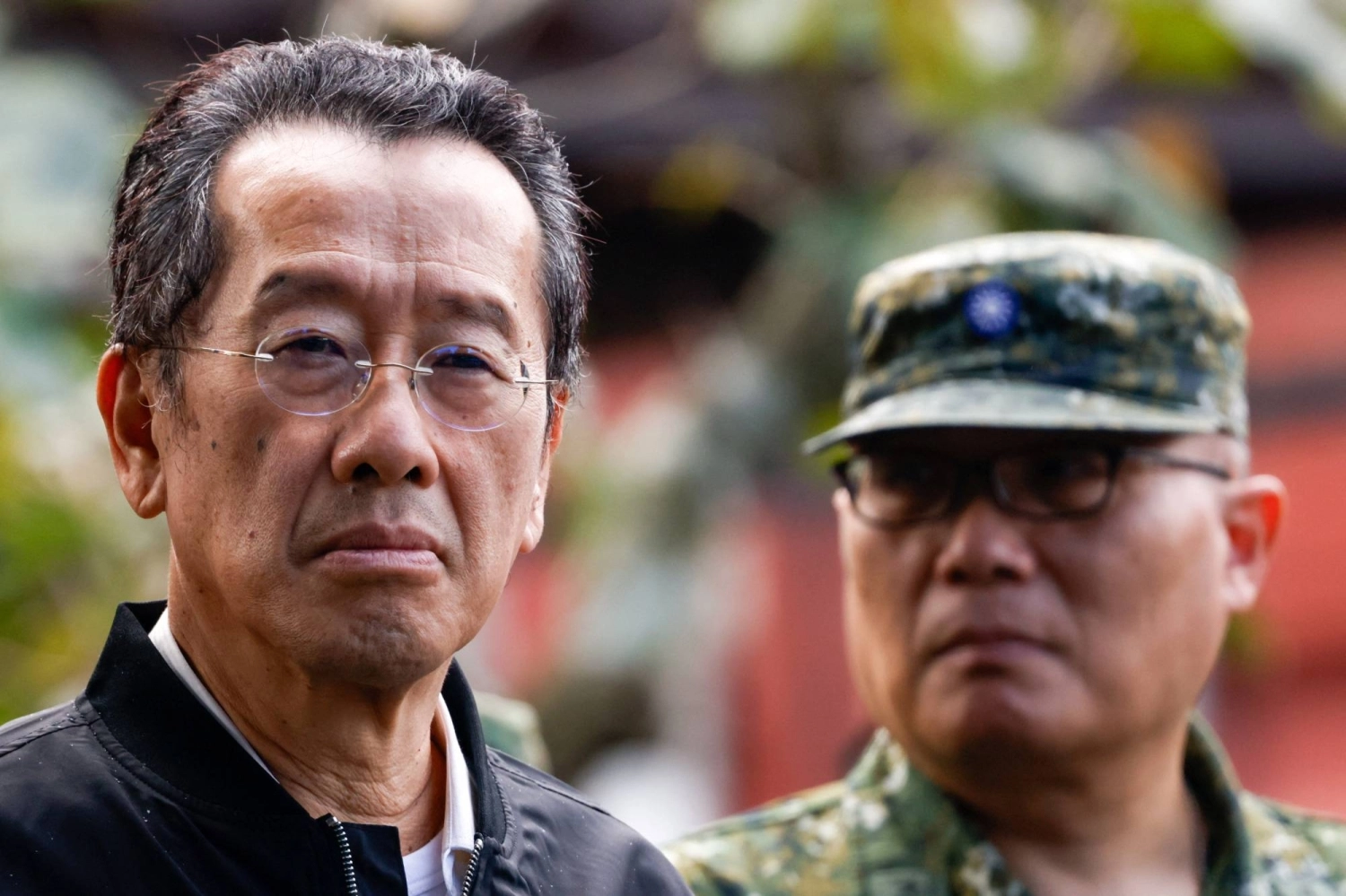
Taiwan’s Defence Ministry has warned that the island must prepare for an increasingly compressed warning window in the event of a potential Chinese military attack, highlighting growing concerns over regional security and rapid shifts in cross-strait military dynamics. Defence Minister Wellington Koo said on Wednesday that Taiwan’s armed forces need to rigorously test their ability to respond immediately if a conflict were to break out, stressing that the time available to detect and react to hostile action is “shortening.”
Koo’s remarks reflect Taipei’s evolving assessment of military pressure from Beijing, as China continues to expand and modernize its armed forces, including missile systems, naval capabilities, and integrated command structures. According to Taiwanese defence planning assessments, advances in surveillance, precision strike capabilities, and faster mobilization cycles mean that traditional early-warning assumptions may no longer hold in a crisis scenario. This has prompted calls for a shift from delayed mobilization models toward “instant readiness” postures.
Taiwan’s military has in recent years increased its focus on rapid reaction drills, reserve mobilization reforms, and decentralized command structures designed to maintain operational capability even under sudden attack. Koo emphasized that these efforts must now be stress-tested under realistic conditions, including scenarios where warning signs are minimal or ambiguous. The goal, he indicated, is to ensure that decision-making and deployment can occur within minutes rather than hours or days.
The comments come amid heightened cross-strait tensions, with frequent Chinese military aircraft and naval vessels operating around Taiwan. Beijing continues to assert its claim over the island and has not ruled out the use of force to achieve unification, while Taiwan maintains that its future must be decided by its people. This ongoing strategic standoff has intensified concerns among regional partners and global powers about the risk of miscalculation or rapid escalation.
Analysts note that the “shrinking warning time” concept reflects broader changes in modern warfare, where long-range precision weapons, cyber operations, and space-based surveillance can compress traditional conflict timelines. For Taiwan, this means that readiness is no longer just about long-term deterrence, but also about the ability to respond instantly to sudden developments.
Koo’s statement signals a continued push within Taiwan’s defence establishment to prioritize agility, resilience, and rapid decision-making in the face of evolving threats.