










The Digital Revolution of UK and European Travel in 2025
Traveling to the UK and Europe is about to get a high-tech makeover in 2025, with new digital systems poised to change the way millions of people cross borders. Starting 8 January 2025, visitors to the UK from countries like the US, Canada, and Australia will need to apply for an Electronic Travel Authorisation (ETA) before entering the country, even for short transit stays. This simple £10 online process requires travelers to submit their details and typically receive approval within hours, though it may take up to three days in some cases. Valid for multiple trips over two years or until the passport expires, the ETA promises a more streamlined and secure entry process. However, the changes don’t stop there—starting 2 April 2025, even EU nationals will need an ETA to enter the UK, marking a significant shift for Europeans accustomed to frictionless travel. The UK government claims this digital upgrade will reduce delays and enhance security, with airlines verifying travelers’ ETA status before boarding to prevent issues at border crossings.
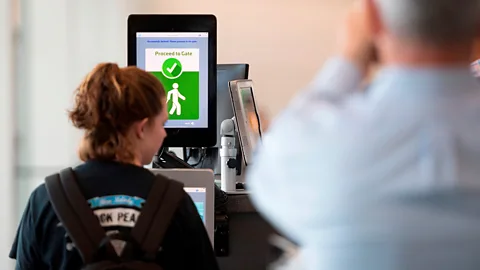
Meanwhile, Europe is preparing its own travel revolution. From spring 2025, the European Travel Information and Authorisation System (ETIAS) will require visitors from 60 visa-exempt countries—including the UK, US, and Canada—to apply online for pre-approval before entering any of the 30 participating nations. The application costs €7 and can take up to 96 hours for approval, offering a similar convenience to the UK’s ETA. Europe’s Entry/Exit System (EES) is also set to debut in 2025, introducing biometric checks like facial recognition and fingerprints to replace traditional passport stamping. These measures aim to modernize border crossings, prevent overstays, and improve security, though critics have voiced concerns about the potential for tech glitches and the loss of passport stamps as cherished travel mementos.
While governments tout these changes as efficient and secure, some travelers worry about the added costs and administrative hurdles, particularly for younger or budget-conscious tourists. Others lament the shift away from physical stamps, which serve as both sentimental keepsakes and practical records of past journeys. Despite these reservations, the move toward digital borders reflects a global trend, with nations striving to balance security and convenience in an era of increasing travel demand. As these systems roll out, they mark a significant step forward in the modernization of travel—one that will redefine the way we cross borders in the years to come.