





Ukraine Halts Russian Gas Transit to Europe, Marking a Historic Shift
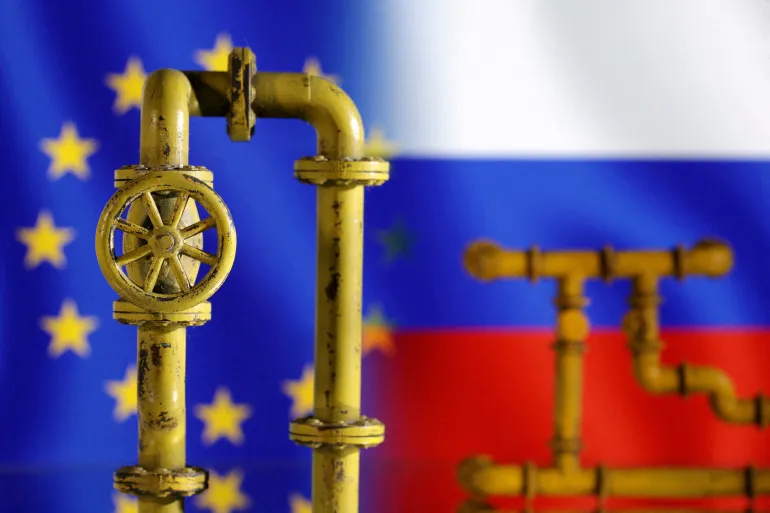
Ukraine has officially stopped the transportation of Russian natural gas through its territory, a significant move following the expiration of a prewar transit agreement at the end of last year. Ukrainian Energy Minister Herman Halushchenko announced the decision early Wednesday, citing national security concerns as the driving force behind the action.
“This is a historic event,” Halushchenko declared in a statement on Telegram. “Russia is losing markets and will face financial losses. Europe has already decided to phase out Russian gas, and today’s decision aligns perfectly with that strategy.”
The halt in gas transit, which took effect at 8 a.m. Moscow time, comes after Kyiv declined to extend a five-year transit deal that had allowed Russian gas to flow to Europe even after the onset of the war in 2022. Under the agreement, Ukraine collected transit fees while Russia’s state-controlled energy giant, Gazprom, profited from the sales.
In a statement, Gazprom lamented Kyiv’s refusal to renew the deal, claiming it now has “no technical or legal possibility” to send gas through Ukraine’s pipelines. The network, originally built during the Soviet era, had been a key route for supplying Europe with Russian natural gas.
Before the war, Russia supplied nearly 40% of the European Union’s pipeline-delivered natural gas. However, the conflict and subsequent sanctions triggered an energy crisis across Europe as Moscow curtailed supplies through other routes. In response, European nations have rapidly diversified their energy sources, outlining plans to completely eliminate Russian gas imports by 2027.
Ukraine’s decision to halt transit underscores the deepening rift between the two nations and highlights Europe’s accelerating shift away from reliance on Russian energy. By turning off the taps, Kyiv not only strikes a blow to Russia’s economy but also reinforces its commitment to sever ties with its aggressor.
This move marks the end of an era for the post-Soviet energy relationship between Russia and Ukraine, as both nations chart new, opposing courses in a fractured geopolitical landscape. For Europe, it signals yet another step toward energy independence and away from the shadow of Russian influence.