










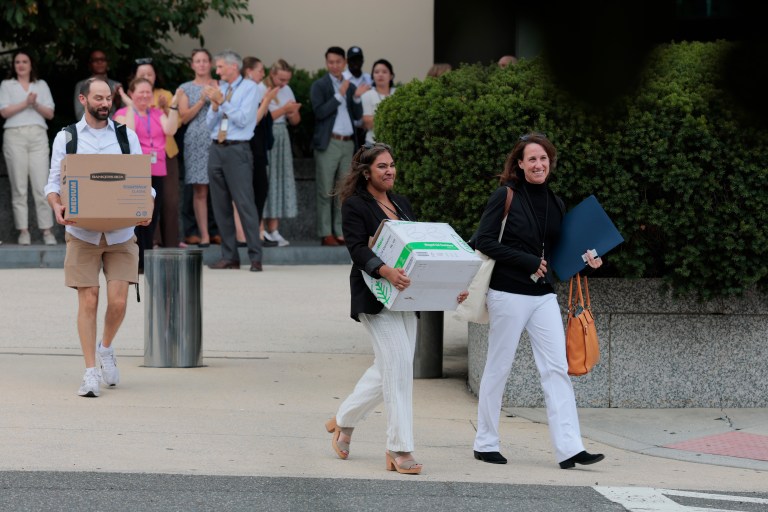
AI-Driven Layoffs Are Shrinking Job Opportunities for Recent Graduates
The Changing Job Market
The job market for recent graduates is facing one of its toughest challenges in years. Many companies are cutting back on entry-level hiring, and one major reason is the rapid rise of artificial intelligence (AI). While AI is helping businesses become more efficient, it is also replacing tasks that were once handled by fresh graduates, such as data entry, basic research, coding, testing, and customer support.
In several industries, especially technology, finance, and outsourcing, companies are reducing their workforce and using AI-powered tools to complete work faster and at a lower cost. This shift means fewer openings for newcomers trying to start their careers.
Rising Unemployment Among Young Professionals
Unemployment rates for graduates are increasing. Many fresh degree holders are finding it harder to get their first job, even after months of searching. In some countries, the unemployment rate among young graduates is significantly higher than the national average.
One of the main challenges is that AI impacts jobs at the bottom of the career ladder first. These are usually the positions that help graduates gain experience before moving into higher roles. Without these opportunities, many are stuck in a cycle of applying for jobs that require experience they do not yet have.
The Speed of Change
Industry experts warn that the pace of change will only get faster. Over the next five years, AI could replace a large portion of entry-level white-collar jobs. This could push youth unemployment even higher if graduates do not adapt quickly.
The situation is especially difficult in sectors like IT services, where AI can automate much of the routine work. As more companies adopt automation, the demand for human workers in these areas could drop sharply.
Why AI Isn’t the Only Factor
While AI is a big part of the story, it is not the only reason for fewer graduate jobs. Economic slowdowns, hiring freezes, and shifts in how companies operate are also affecting opportunities. Some employers are moving toward skill-based hiring, meaning they care more about whether a candidate can perform specific tasks rather than which degree they hold.
How Graduates Can Adapt
Even though the situation is challenging, there are ways for graduates to stay competitive:
- Learn AI tools – Instead of competing against AI, learn how to work with it. This can make you more valuable to employers.
- Build hybrid skills – Combine technical skills like coding, data analysis, or digital marketing with soft skills such as communication, problem-solving, and leadership.
- Get certified – Short-term courses and certifications in in-demand areas like AI, project management, or supply chain management can improve your job prospects.
- Target less-automated industries – Sectors such as healthcare, skilled trades, and certain creative fields are less likely to be fully automated.
- Focus on quality and creativity – Work that requires original ideas, human empathy, and personal connection is harder for AI to replace.
Conclusion
AI-driven layoffs are reshaping the job market and making it harder for recent graduates to get started in their careers. However, the future is not hopeless. By upgrading skills, adapting to new technologies, and focusing on areas where human abilities are still essential, graduates can create opportunities for themselves even in an AI-driven world.