










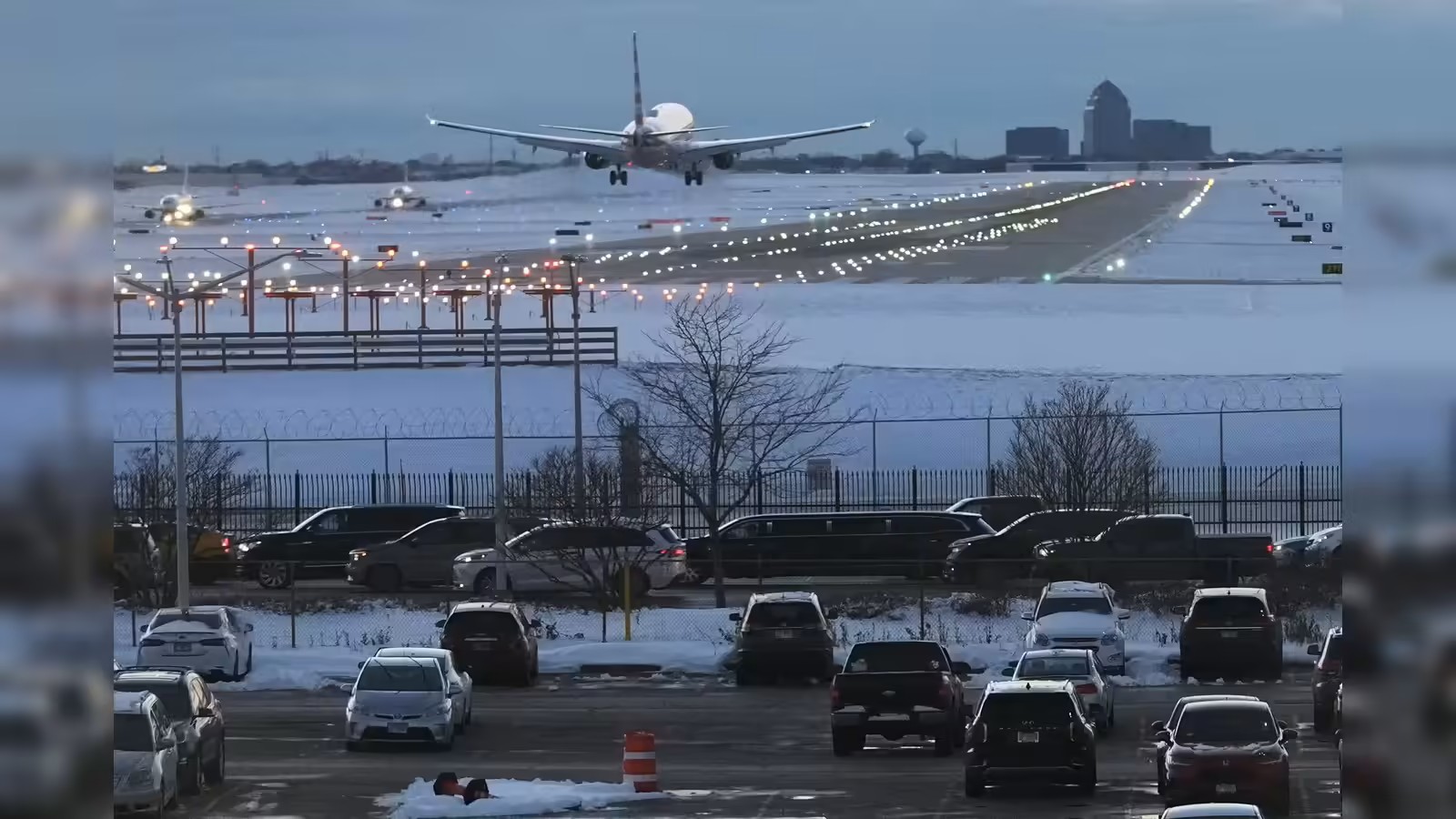
Travel Chaos in the U.S. as Thousands of Flights Canceled Amid Major Winter Storm
A major winter storm sweeping across the United States has caused widespread travel disruptions, forcing airlines to cancel thousands of flights and leaving travelers stranded at airports across the country. The severe weather, which brought heavy snow, ice, and strong winds, has impacted both domestic and international travel, creating one of the busiest travel challenges of the winter season.
Airports in major hubs, including New York, Chicago, Dallas, and Houston, reported delays of several hours, with some flights indefinitely postponed. Airlines are scrambling to reschedule flights and accommodate passengers, but the sheer scale of cancellations has led to long lines at ticket counters and limited hotel availability near affected airports.
The winter storm has not only disrupted air travel but also affected road and rail transportation. Power outages in several states have left some travelers without essential services, while icy roads have made ground travel hazardous. Authorities are urging commuters to exercise caution and avoid unnecessary travel until conditions improve.
Airlines have advised passengers to check their flight status frequently and to contact customer service for rebooking options. Major carriers, including American Airlines, Delta, and United, have announced waiver policies for affected travelers, allowing flexible changes without additional fees. Travel experts warn that even after the storm passes, residual delays and cancellations could continue for several days due to the backlog of flights.
The storm’s timing has compounded the impact on winter tourism and business travel, with many passengers forced to adjust plans at the last minute. Hotels near major airports are experiencing high occupancy as travelers seek temporary shelter, and rental car agencies are reporting increased demand.
Meteorologists predict that the storm will move eastward over the next 24–48 hours, bringing snow and ice to additional states and potentially creating further travel disruption. Federal and state agencies are coordinating with airports, airlines, and local authorities to restore services and ensure safety for travelers.
As the storm continues to affect the nation, officials are emphasizing the importance of staying informed, planning ahead, and exercising patience. The unprecedented disruption underscores the vulnerability of travel infrastructure to extreme weather events and highlights the need for preparedness during peak travel seasons.