






EXPOSED: UK Political Storm Erupts as Senior Peer Warned ‘This Is the End’ After Epstein Files Leak
A fresh political storm is gripping the United Kingdom after veteran broadcaster Sir Trevor Phillips delivered a stark message to Labour peer Lord Peter Mandelson, declaring “this is the end” in the wake of newly released files linked to convicted sex offender Jeffrey Epstein. The remarks, broadcast on national television, have reignited intense scrutiny of senior UK political figures and their connections to Epstein’s controversial network.
The eruption follows the unsealing of thousands of pages of documents by U.S. authorities, which include correspondence, photographs, and other material related to Epstein’s contacts with influential global figures. The files reference Mandelson in social contexts, including an image showing him in casual clothing, raising questions among political commentators and the public alike. While inclusion in the files does not imply criminal conduct, the optics have proven damaging.
Sir Trevor Phillips, a long‑standing figure in UK media and a personal acquaintance of Mandelson, did not mince words in his assessment. Appearing on a Sunday political programme, he said that in nearly five decades of knowing Mandelson, the current circumstances — regardless of legality — could mark a definitive end to the former Cabinet minister’s long political career. “Whatever the truth of it,” Phillips said, “for Peter Mandelson, this is the end.”
Labour Party officials have responded cautiously. Mandelson — who has served in senior roles under multiple governments and was a key architect of Labour’s modernisation in the 1990s — issued a statement denying any wrongdoing. He insisted he had “no recollection” of any payments mentioned in the documents and said he had never been involved in Epstein’s criminal activities.
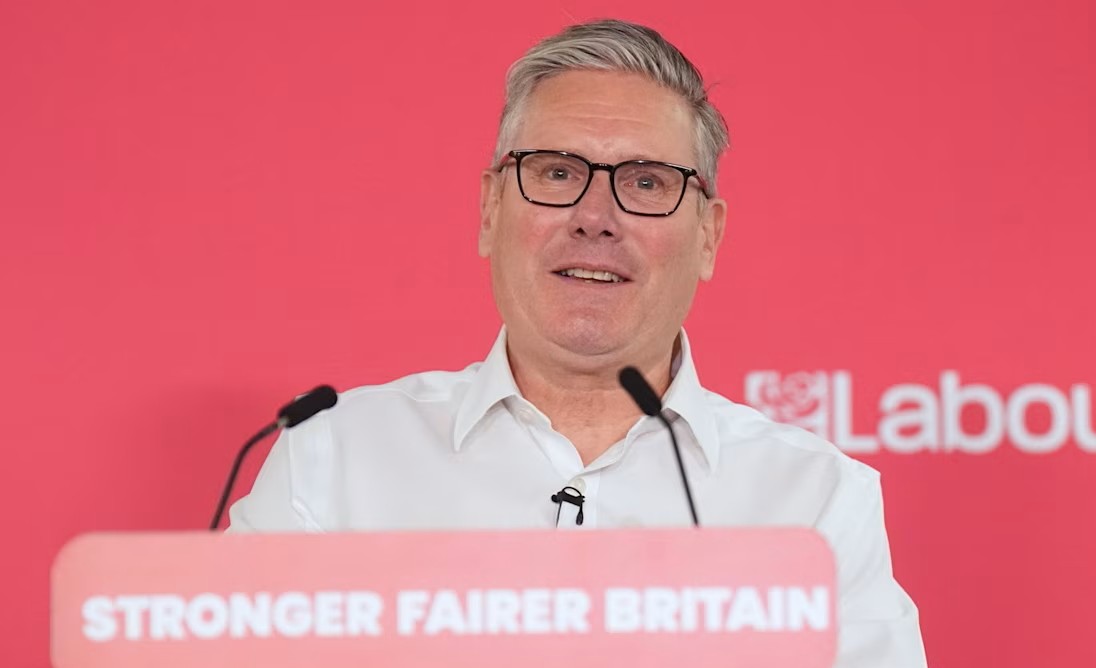
Opposition parties and critics, however, have seized on the revelations to challenge Prime Minister Sir Keir Starmer, demanding greater transparency and questioning the vetting process for political appointments. Some Conservatives have labelled the situation “a crisis of judgement” within the Labour leadership.
The controversy also reignites broader debates on ethics in public life, the influence of elite networks, and how senior figures should be held accountable when their names surface in scandal‑tainted archives. As attention continues to focus on the unfolding story, the British public and media are watching closely to see if more disclosures emerge and what lasting political impact they might have.