






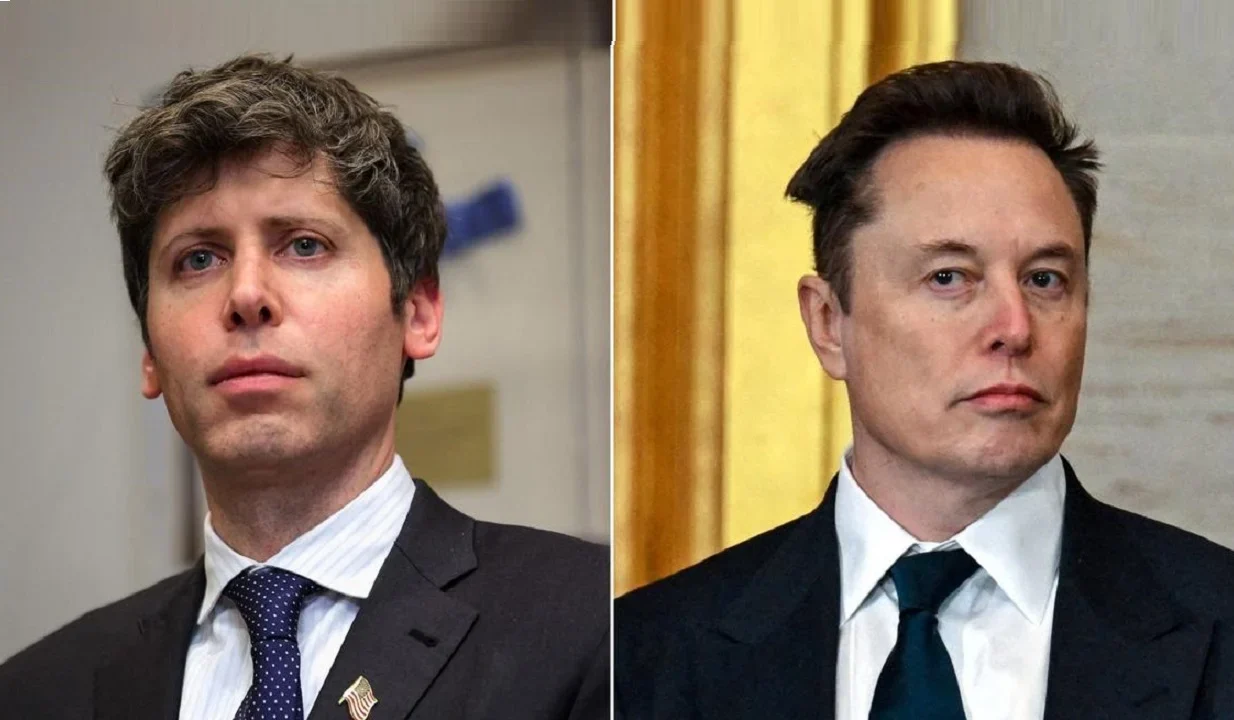



OpenAI Wins Major Court Battle Against Elon Musk, Clearing Path Toward IPO
OpenAI has secured a significant legal victory after a U.S. jury rejected claims brought by billionaire entrepreneur Elon Musk, removing a major obstacle to the company’s future plans, including a potential public stock offering.
The verdict, delivered on Monday, found that OpenAI was not liable for allegedly abandoning its original mission of developing artificial intelligence for the benefit of humanity. Musk, one of the company’s original co-founders, had accused OpenAI of shifting away from its nonprofit principles and prioritizing commercial interests over public good.
The lawsuit became one of the most closely watched legal battles in the technology industry, highlighting growing tensions over the rapid development of artificial intelligence and the enormous profits tied to the sector. Musk argued that OpenAI’s partnership with major investors and its increasingly commercial direction violated commitments made during the company’s early years.
OpenAI denied the allegations throughout the case, maintaining that its current structure remains aligned with its mission of developing safe and beneficial artificial intelligence. Company executives also argued that significant financial backing was necessary to compete in the expensive and fast-moving AI industry.
The jury’s decision is seen as a major victory for OpenAI and its leadership, including Chief Executive Officer Sam Altman. Analysts say the ruling removes legal uncertainty that could have complicated investor confidence and delayed long-term expansion plans, including a possible initial public offering.
The case also marked another legal setback for Musk, who in recent months has faced a series of courtroom defeats and settlements involving his companies and public statements. Despite the loss, Musk continues to remain one of the most influential voices in the global technology industry and a vocal critic of artificial intelligence regulation and corporate control.
Industry experts say the outcome could strengthen OpenAI’s position in the intensifying race for AI dominance, where competition among major technology firms has accelerated dramatically over the past two years.
The ruling is expected to have broad implications for the future governance of AI companies, particularly those that began with nonprofit missions before evolving into commercially driven enterprises backed by billions of dollars in investment.