










Inflammation and Mental Health: What It Is, Why It Matters, and How to Reduce It
Inflammation is often described in a negative way, but in reality it is a natural and essential process that helps the body protect and repair itself. It is part of the immune system’s response to injury, infection, or any perceived threat. When something harmful enters the body or tissue is damaged, inflammation increases blood flow and sends immune cells to the affected area to begin healing. This is why a cut becomes red or swollen or why the body develops a fever when fighting an infection. Without this process, the body would struggle to heal and defend itself.
Inflammation becomes a concern only when it continues for too long. Short-term inflammation is known as acute inflammation and usually lasts a few days while the body recovers. It is a normal and healthy response that disappears once healing is complete. Chronic inflammation, however, is long-lasting and can persist for months or even years. It may occur even without an obvious injury or infection and instead becomes a low-level ongoing immune response. Over time, this can start to damage healthy tissues and affect normal body functions.
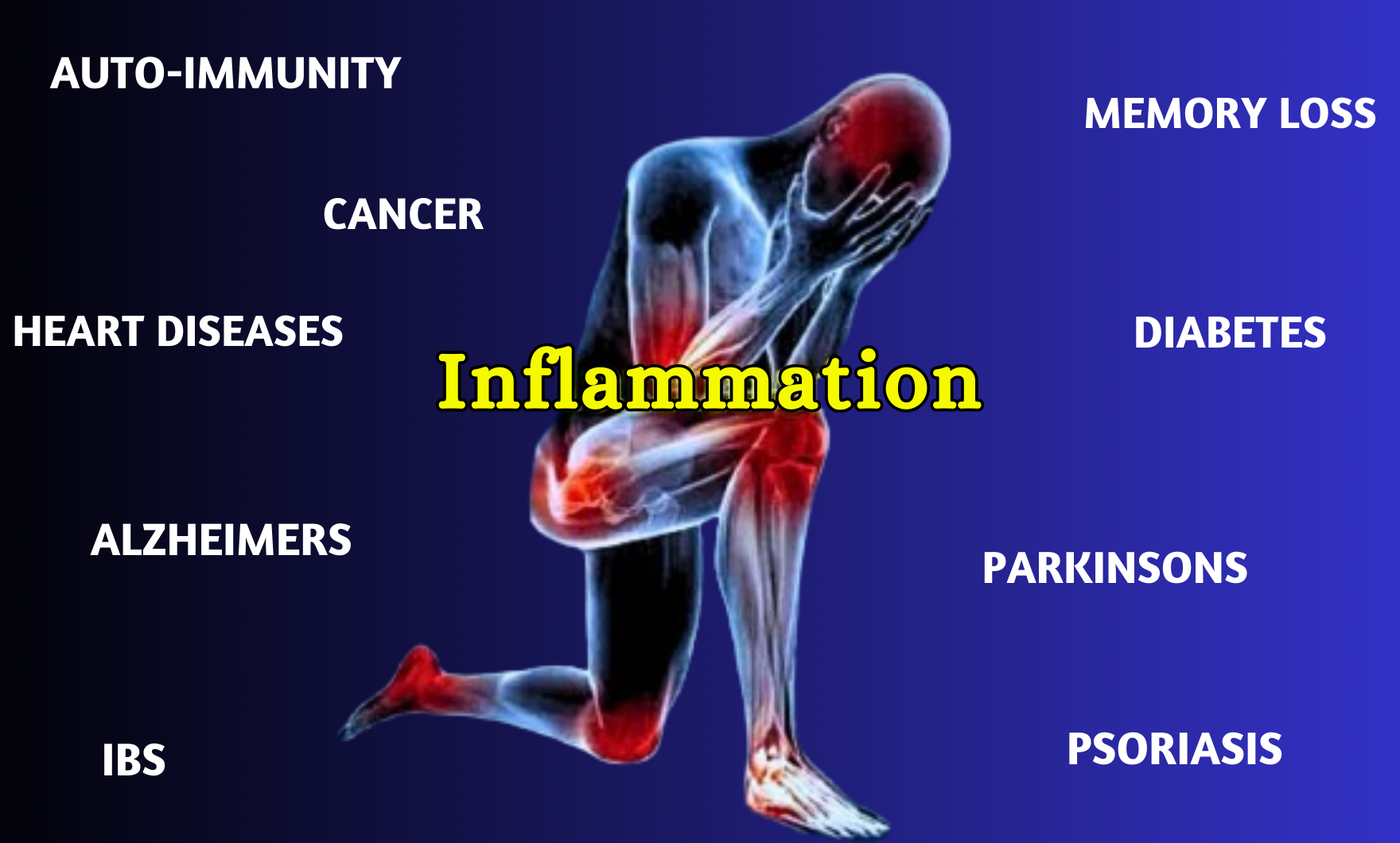
In recent years, researchers have begun to explore the connection between chronic inflammation and mental health. Studies suggest that persistent inflammation in the body may influence brain function and could be linked to conditions such as depression. It is believed that inflammatory chemicals can affect neurotransmitters responsible for regulating mood, motivation, and energy levels. People experiencing chronic inflammation may feel low energy, fatigue, difficulty concentrating, and changes in mood. However, mental health is complex and cannot be explained by inflammation alone. It is shaped by a combination of biological, psychological, and social factors, and inflammation is just one part of the overall picture.
Understanding and managing chronic inflammation may therefore support overall wellbeing, including mental health. Lifestyle factors play an important role in reducing inflammation in the body. A balanced diet that includes fruits, vegetables, whole grains, healthy fats, and foods rich in antioxidants and omega-3 fatty acids may help reduce inflammatory responses. Regular physical activity, even simple daily walking, can support immune function and lower inflammation levels. Sleep is also essential, as poor or irregular sleep has been linked to higher levels of inflammation in the body. Managing stress through relaxation techniques, breathing exercises, or mindfulness practices can also help, since long-term stress is known to contribute to inflammation. Avoiding smoking, excessive alcohol consumption, and heavily processed foods may further reduce the risk of chronic inflammation.
Inflammation is not something to eliminate entirely because it is essential for survival and healing. The key is balance, ensuring that the body’s natural defense system works when needed but does not remain overactive for too long. By supporting healthy lifestyle habits, it may be possible to reduce chronic inflammation and, in turn, support both physical and mental health over time.