






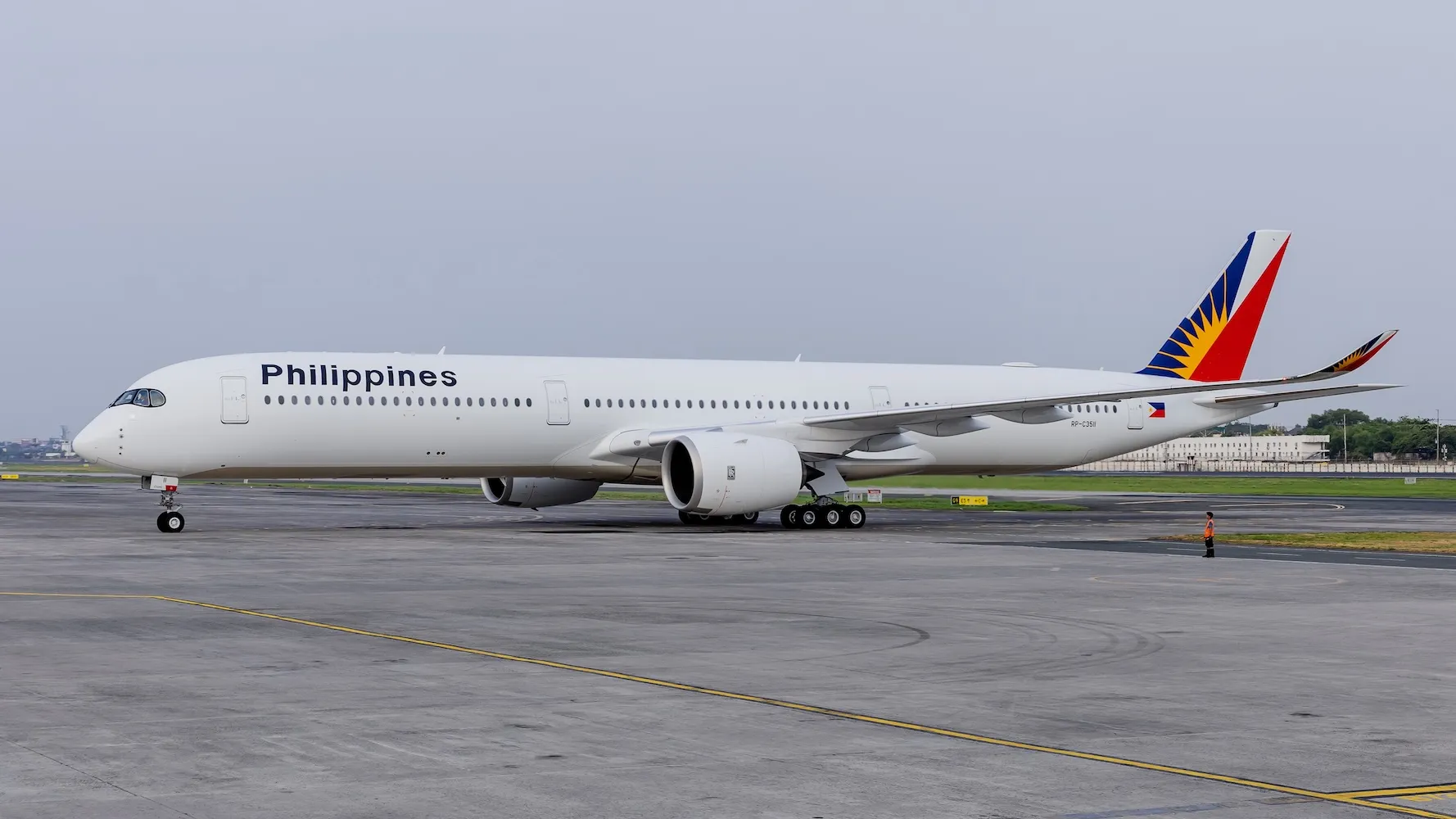



Philippine Airlines Expands Long-Haul Fleet with Arrival of Second Airbus A350-1000
Philippine Airlines (PAL) has strengthened its long-haul capabilities with the arrival of its second Airbus A350-1000 at Ninoy Aquino International Airport in Manila, marking a significant step in the carrier’s ongoing fleet modernization strategy.
The aircraft landed at 5:18 PM, following the delivery of PAL’s first A350-1000 in December 2025. The latest addition is part of the airline’s broader order for nine Airbus A350-1000 aircraft, designed to enhance its long-distance operations and improve overall passenger experience on intercontinental routes.
With this delivery, Philippine Airlines continues to position itself as a leader in advanced wide-body aircraft operations in the region. The airline remains the first and only carrier in Southeast Asia currently operating the Airbus A350-1000, one of the most modern long-range aircraft in commercial aviation.
The Airbus A350-1000 is engineered for ultra-long-haul travel, offering improved fuel efficiency, reduced carbon emissions, and enhanced cabin comfort. The aircraft features advanced aerodynamics, quieter engines, and upgraded cabin pressure systems designed to reduce passenger fatigue on long international flights. These improvements are expected to support PAL’s expanding network, particularly its key routes connecting the Philippines with destinations in North America.
Philippine Airlines President Richard Nuttall said the new aircraft will play a crucial role in strengthening the airline’s long-haul operations as global travel demand continues to rise. He emphasized that the fleet expansion reflects PAL’s long-term commitment to modernization, operational efficiency, and elevated passenger service standards.
The arrival of the second A350-1000 comes at a time when PAL is showing strong operational performance following its recovery and restructuring phase in recent years. In 2025, global aviation analytics firm Cirium ranked Philippine Airlines as the most punctual airline in the Asia-Pacific region, highlighting its improved reliability and service consistency.
Industry analysts view the fleet expansion as a strategic move to improve competitiveness on long-haul routes, where fuel efficiency, reliability, and passenger comfort are key factors in attracting international travelers. The A350-1000 is expected to play a central role in supporting PAL’s growth ambitions as it continues to rebuild and expand its global footprint.
With more A350-1000 aircraft set to be delivered in the coming years, Philippine Airlines is positioning itself for a stronger presence in the premium long-haul market, while reinforcing Manila’s role as a growing aviation hub in Southeast Asia.