




Iran Deal Puts Netanyahu in Political and Security Dilemma as US Shifts Strategy
Israel’s Prime Minister Benjamin Netanyahu is facing one of his most difficult political and strategic challenges yet after a new US–Iran ceasefire agreement brokered by Donald Trump reshaped the regional balance of power and left Israel on the sidelines of key negotiations.
The deal, which aims to pause hostilities and open the door to broader diplomatic talks, has triggered sharp political fallout in Israel, where officials across the spectrum have described the agreement as a major setback for national security objectives. For Netanyahu, who has long positioned Iran as Israel’s central strategic threat, the sudden diplomatic shift by Washington has created both political pressure at home and uncertainty over future military options.
Israeli officials have expressed concern that the agreement could limit Israel’s operational freedom, particularly in relation to Iranian-backed groups in Lebanon and the wider region. Analysts say the inclusion of clauses tied to regional de-escalation could restrict unilateral Israeli action, forcing Netanyahu to navigate a far narrower security space than before.
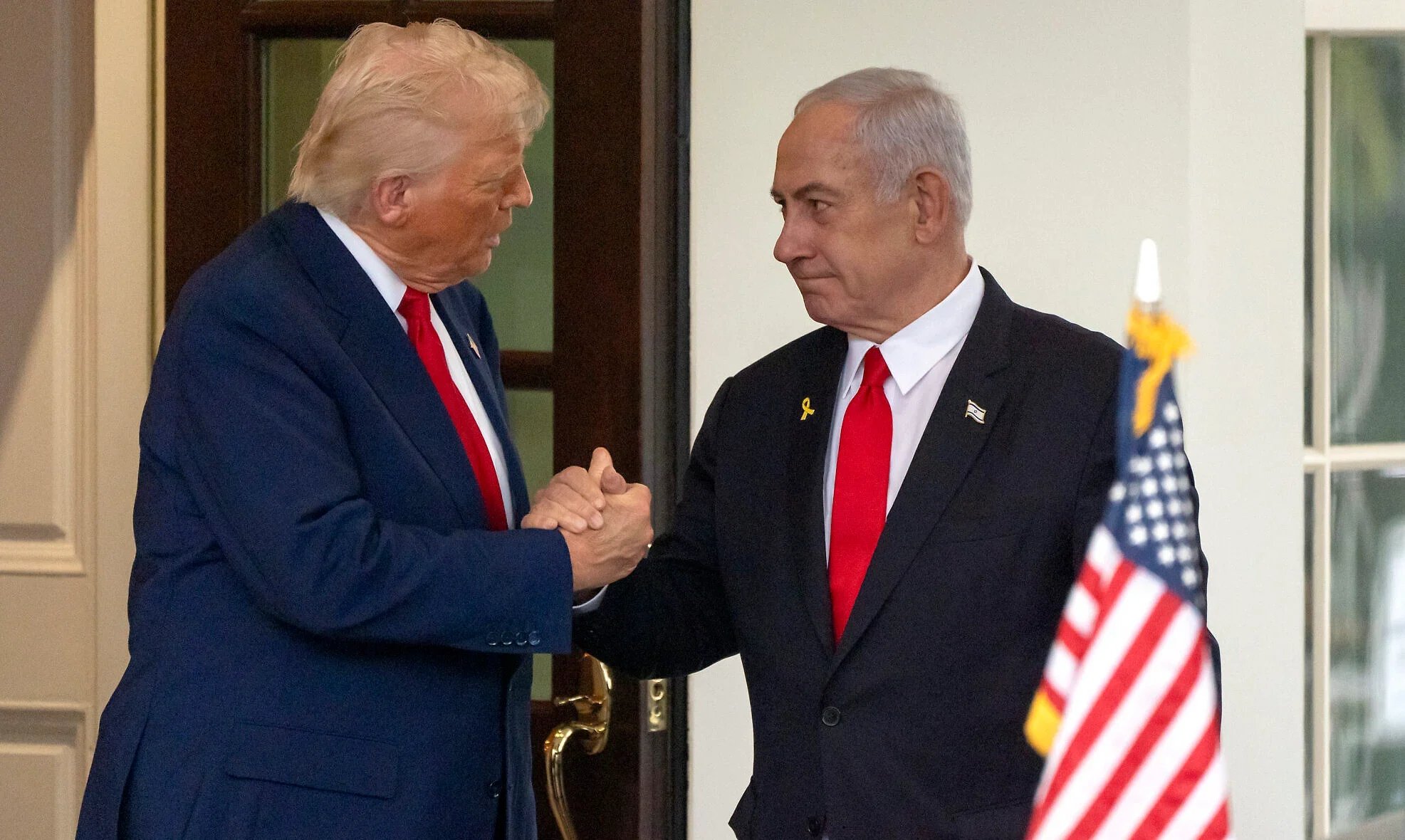
At the same time, the deal has exposed growing tensions between Netanyahu and Donald Trump, whose administration pushed forward the agreement with Iran despite Israel’s preference for continued military and strategic pressure. While Netanyahu has publicly avoided direct confrontation, political allies and opponents alike have criticized what they see as Israel being excluded from decisions that directly affect its security environment.
The domestic impact has been immediate. Opposition figures in Israel have seized on the agreement to accuse Netanyahu of failing to achieve key war objectives against Iran, while even some coalition voices have warned that the diplomatic outcome weakens Israel’s deterrence posture. With elections approaching, the issue has quickly become a central political flashpoint.
Beyond politics, the strategic implications are equally significant. Iran’s continued survival as a regional power, combined with eased international pressure under the ceasefire framework, is viewed by some Israeli security analysts as a reversal of earlier expectations that sustained military pressure could fundamentally alter Tehran’s position.
Netanyahu now faces a complex balancing act: maintaining a strong security posture to reassure domestic audiences while avoiding direct confrontation with a US administration that appears increasingly focused on de-escalation rather than escalation in the Middle East.
Observers say this leaves Israel’s leadership in a “strategic deadlock,” where neither full-scale conflict nor full diplomatic alignment offers a clear path forward. For Netanyahu, the challenge is not only military or diplomatic, but also deeply political—managing public expectations while responding to a rapidly shifting international landscape.
As the ceasefire unfolds, the key question remains whether Israel will adapt to the new framework or attempt to reshape it through political pressure and limited military action. Either way, the agreement has already altered the strategic equation that has defined Israel’s approach to Iran for years.