



Europe Scrambles for Energy Security as Hormuz Blockade Disrupts Global Oil and Gas Flows
A growing number of European countries, including Romania, Switzerland, Italy, France, the United Kingdom, Ireland and Greece, are moving to coordinate an urgent response after a reported blockade of the Strait of Hormuz sent shockwaves through global energy markets.
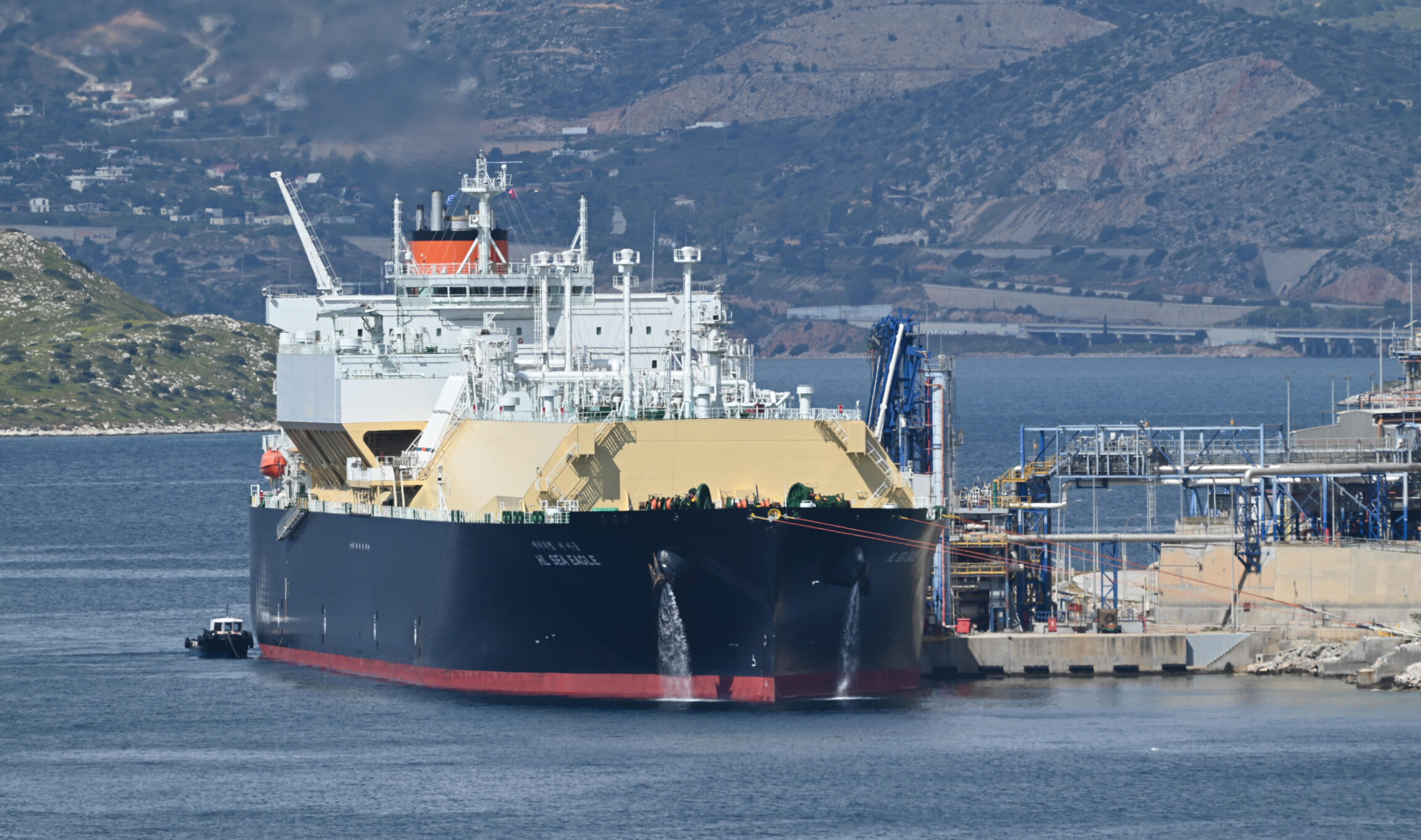
The disruption at the strategic waterway one of the world’s most critical transit routes has severely impacted the flow of liquefied natural gas (LNG), liquefied petroleum gas (LPG) and crude oil shipments. The strait, which connects the Persian Gulf to international waters, is a vital corridor for energy exports from major producers including Saudi Arabia, Oman, Kuwait and Bahrain.
Officials across Europe say the situation has raised immediate concerns about supply stability, pricing volatility and broader economic repercussions. Several governments are now exploring contingency plans, including the release of strategic reserves, diversification of supply routes and accelerated energy cooperation within the region.
Energy analysts warn that even a temporary disruption in the Strait of Hormuz can have far-reaching consequences. A significant portion of the world’s oil and gas exports pass through the narrow passage, making it a critical chokepoint for global energy security. Any sustained blockade could drive up prices and strain supply chains, particularly for countries heavily reliant on imports.
Reports suggest that energy connectivity between Gulf producers and international markets has been effectively halted, with shipping traffic either suspended or rerouted amid rising security concerns. While the precise cause and duration of the blockade remain unclear, authorities in affected regions are closely monitoring developments.
European leaders are expected to hold emergency consultations aimed at coordinating a unified response. Measures under consideration include strengthening partnerships with alternative suppliers, increasing storage utilisation and reinforcing infrastructure to handle supply diversification.
The disruption also underscores Europe’s ongoing challenge of balancing energy security with long-term transition goals. While many countries have sought to reduce dependence on fossil fuels, the current crisis highlights the continued importance of stable oil and gas supplies in the short term.
There has been no immediate confirmation from Gulf states on the scale of the disruption, and international bodies have called for restraint and efforts to ensure the free flow of energy through critical maritime routes.
As the situation unfolds, markets and governments alike are bracing for further uncertainty, with the Strait of Hormuz once again at the centre of global economic and geopolitical tensions.