








UN Warns Climate Crisis Is Accelerating as Extreme Weather Intensifies Worldwide
A growing wave of extreme weather events is underscoring what scientists describe as an accelerating global climate crisis, with rising temperatures driving more frequent and severe disasters across multiple regions.
In the United States, firefighters are battling a series of fast-moving wildfires in parts of the southeast, where dry conditions and strong winds have fuelled rapid spread. Authorities say hundreds of homes have been damaged or destroyed, with thousands of residents forced to evacuate as emergency crews struggle to contain multiple active fire zones. Officials have warned that ongoing drought conditions are creating a high risk of further outbreaks.
Climate experts say the fires reflect a broader pattern of increasing wildfire intensity linked to prolonged heat and shifting rainfall patterns. Vegetation in many regions is becoming drier earlier in the season, creating conditions that allow fires to ignite more easily and spread more quickly.
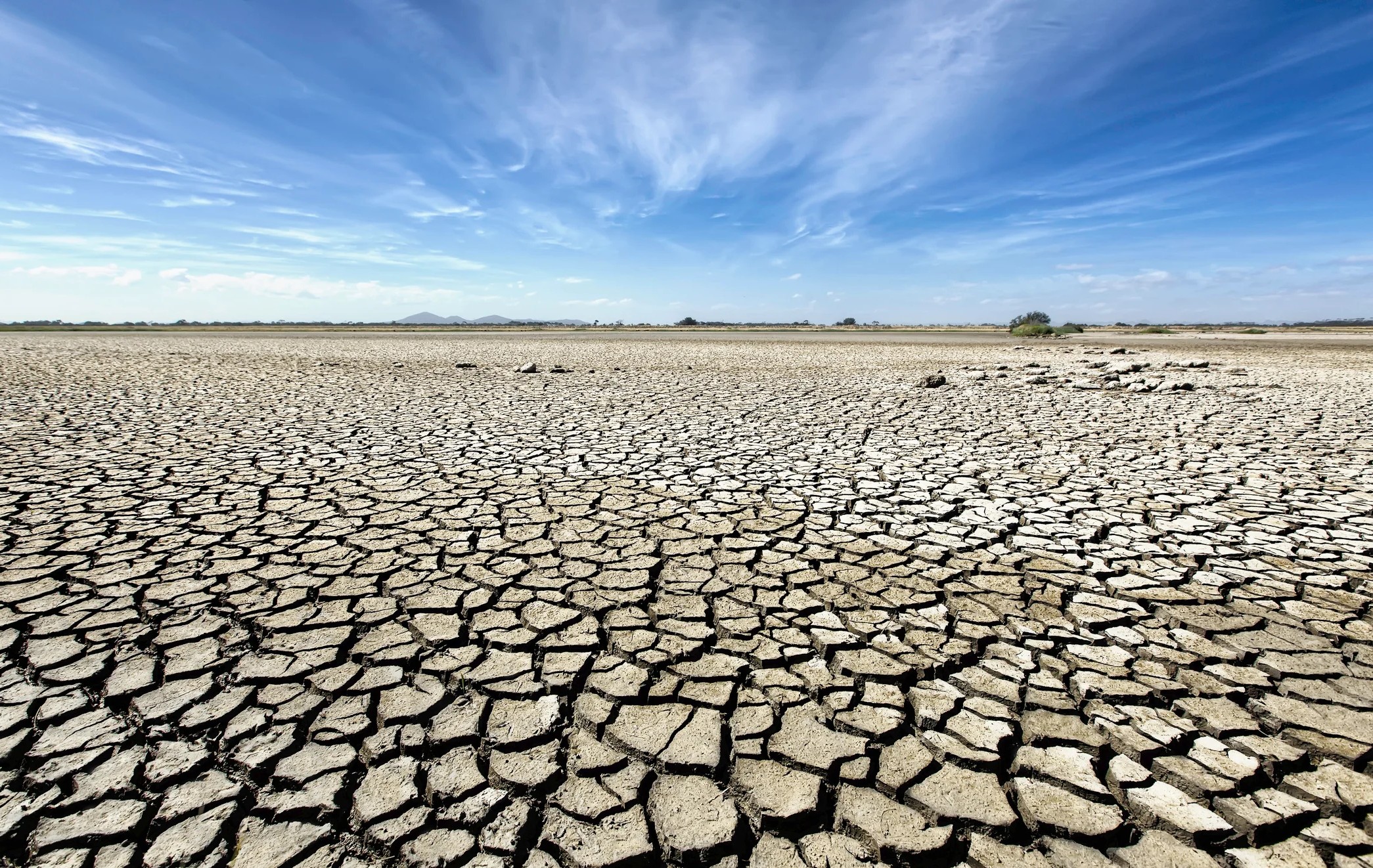
At the same time, United Nations agencies are warning that extreme heat is placing unprecedented pressure on global food systems. Rising temperatures are damaging crop yields, reducing soil productivity and increasing water scarcity in key agricultural regions. The impact is being felt most sharply in countries already vulnerable to food insecurity, where even small disruptions can have significant economic and social consequences.
Heatwaves are also affecting labour productivity and public health, with outdoor workers facing higher risks and healthcare systems reporting increased heat-related illnesses during peak temperature periods.
Scientists caution that these developments are part of a wider trend in which climate-related disasters are becoming more interconnected. Heat, drought, floods and storms are increasingly occurring in overlapping cycles, amplifying their overall impact and making recovery more difficult.
Policy discussions continue at international level over how to strengthen climate adaptation and reduce emissions, but progress remains uneven. Developing nations are calling for greater financial support to cope with immediate impacts, while industrialised countries face pressure to accelerate their transition away from fossil fuels.
Experts warn that without faster and more coordinated action, extreme weather events are likely to become more disruptive in the coming years, reshaping economies, infrastructure and daily life in many parts of the world.