






Oil Slips $4 as US–Iran Peace Deal Triggers Sharp Selloff and Hopes of Strait of Hormuz Reopening
Global oil prices fell by more than $4 a barrel on Monday after the United States and Iran announced a breakthrough peace framework aimed at ending hostilities and reopening the strategically vital Strait of Hormuz, easing fears of major supply disruptions.
Brent crude dropped sharply to around $83 per barrel, while US West Texas Intermediate (WTI) also slid to near $80, marking one of the steepest single-day declines in months. The fall reflects a rapid unwinding of the geopolitical risk premium that had built up during weeks of tension in the Middle East.
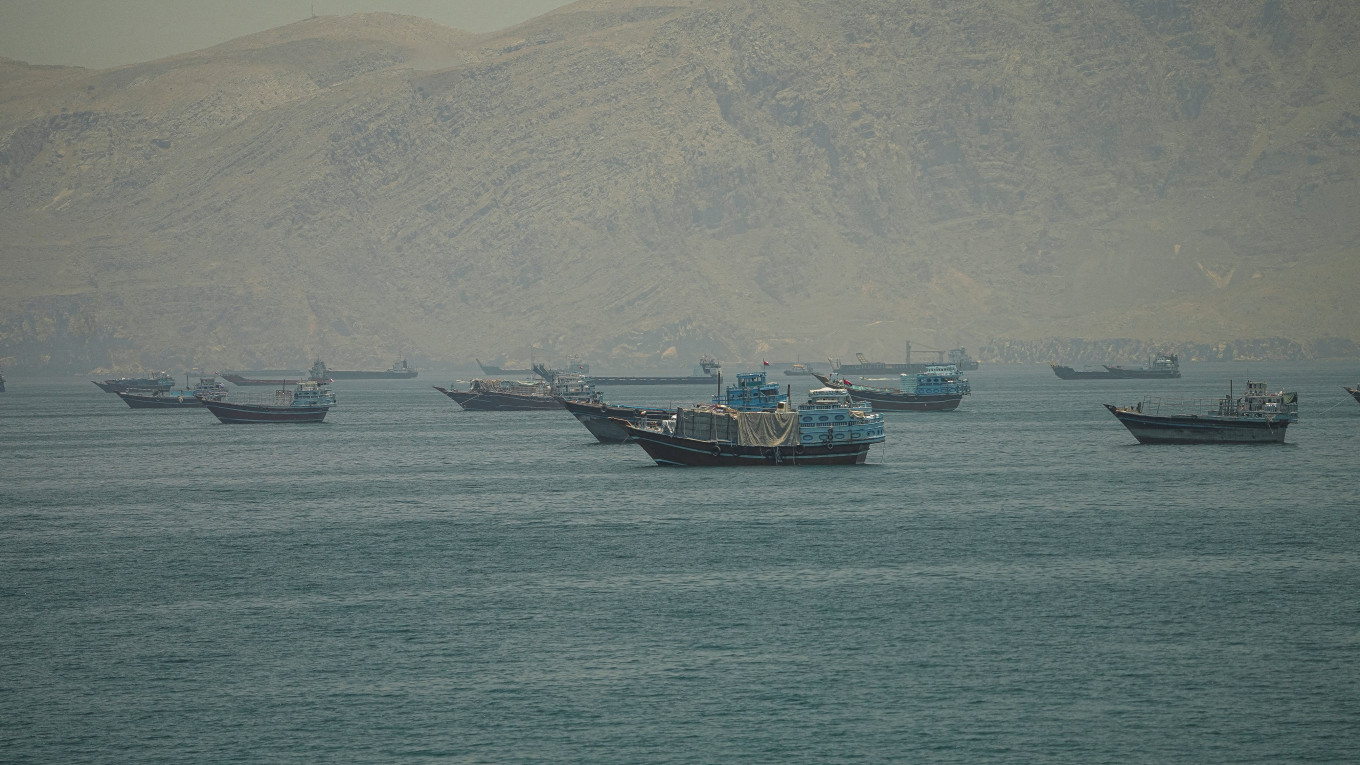
The announcement signaled a potential de-escalation in a conflict that had threatened global energy security. The Strait of Hormuz, a narrow waterway between the Persian Gulf and the Gulf of Oman, handles roughly one-fifth of the world’s oil and liquefied natural gas shipments, making it one of the most critical chokepoints in global trade.
According to officials and market reports, the agreement includes a framework for restoring safe maritime passage and gradually resuming normal tanker traffic through the strait. The development immediately shifted market sentiment from fear of supply shortages to expectations of improved global flow of crude.
Analysts say the price drop is primarily driven by the removal of war-related uncertainty rather than changes in physical supply. “Markets had priced in significant disruption risk. Once that risk began to fade, prices adjusted quickly,” energy strategists noted.
Despite the sharp decline, experts caution that volatility is likely to continue. The agreement remains in an early phase, and key details — including security arrangements, sanctions policy, and long-term verification mechanisms — still need to be finalized. Any breakdown in talks could quickly reverse recent gains in market confidence.
Some analysts also point out that structural factors such as global demand, OPEC+ production policy, and ongoing sanctions on Iranian exports will continue to influence prices even if the Strait of Hormuz reopens fully.
For consumers and importing nations, lower crude prices could eventually translate into reduced fuel costs and easing inflationary pressure. However, economists say the benefits will depend on how quickly stability returns to shipping routes and whether the agreement holds in the coming weeks.
Financial markets reacted broadly in line with oil, with energy stocks weakening while wider equities gained on improved risk sentiment. Investors are now closely watching diplomatic developments as the next phase of negotiations is expected to determine whether the ceasefire can evolve into a lasting peace deal.
For now, oil markets remain highly sensitive to every signal from Washington and Tehran, as traders assess whether this marks a temporary de-escalation or the beginning of a longer-term stabilization in one of the world’s most important energy corridors.