







Climate Crisis Deepens: Record Heat, Forest Loss and Food Risks Signal Accelerating Warnings
Global climate concerns are deepening as new data and reports point to accelerating environmental change, with rising temperatures, ecosystem loss, and political deadlock complicating efforts to limit global warming.
Across Europe, scientists and monitoring agencies have reported record-high temperatures for this time of year, adding to growing evidence that extreme heat events are becoming more frequent and more intense. The prolonged warming trend is placing pressure on infrastructure, agriculture, and public health systems, particularly in southern and central regions where heatwaves are becoming increasingly severe.
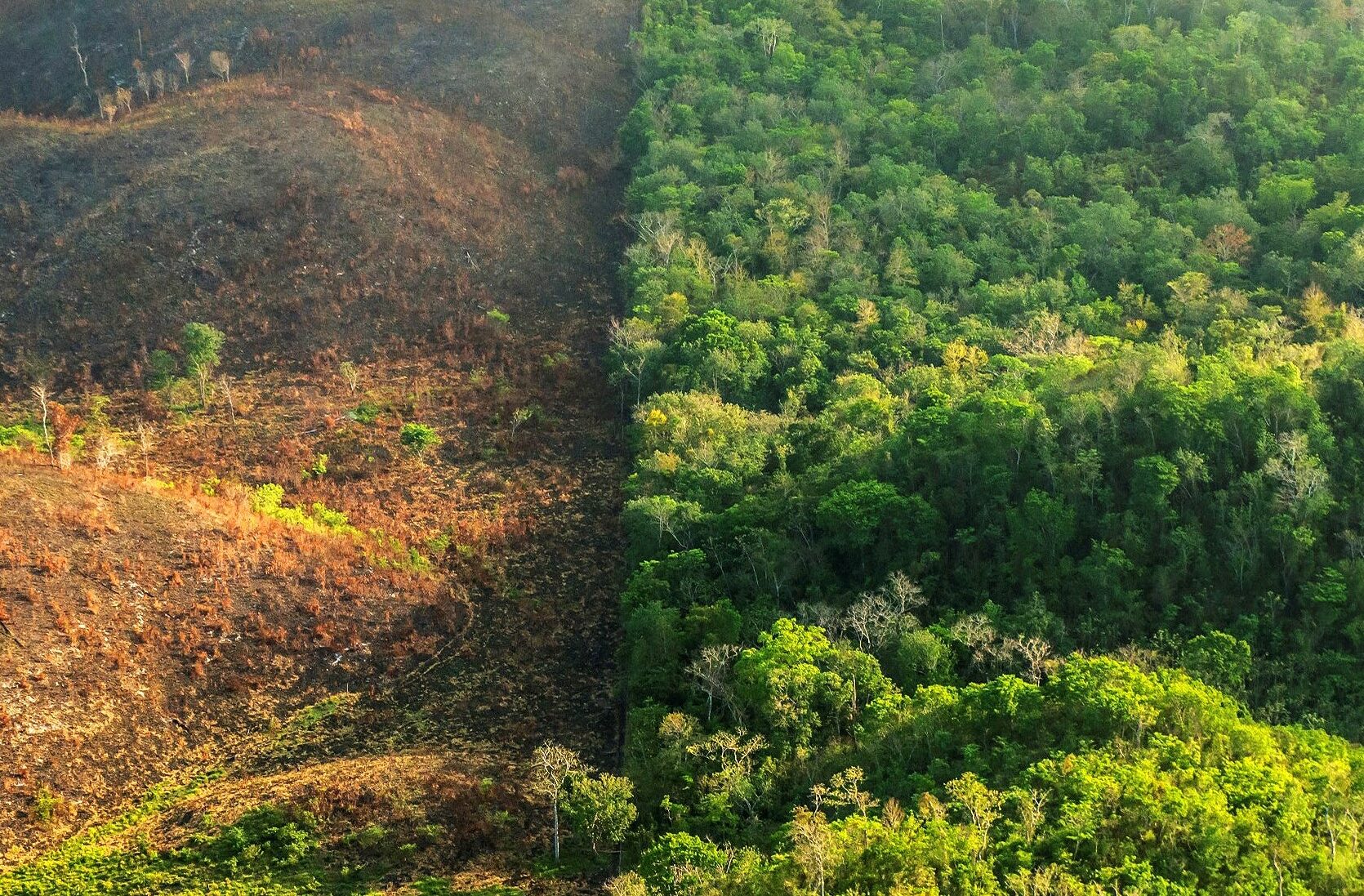
At the same time, tropical forest loss continues to raise alarm. Reports highlight shrinking forest cover in key biodiversity zones, driven by a combination of agricultural expansion, logging, and climate-related stress. Scientists warn that continued deforestation in tropical regions risks accelerating carbon emissions while undermining the planet’s natural ability to absorb greenhouse gases.
International climate negotiations remain under strain, with discussions over fossil fuel phaseouts reportedly stalling. Divisions between developed and developing economies persist, particularly over timelines for reducing coal, oil, and gas dependency. While many nations are calling for faster action, others argue that economic stability and energy security must take priority, leaving key agreements unresolved.
In the cryosphere, renewed concerns are emerging over accelerating glacier melt. Researchers warn that ice loss in mountain and polar regions is contributing to rising sea levels and threatening long-term freshwater supplies for millions of people. The pace of melting has intensified scrutiny of global emissions targets, which many experts say are increasingly difficult to meet without stronger policy commitments.
Food security is also becoming a growing climate concern. In Bangladesh, shifting weather patterns and flooding risks are affecting agricultural production and livelihoods, particularly in low-lying regions vulnerable to sea-level rise. Meanwhile, the ongoing El Niño phenomenon is worsening drought conditions in some parts of the world while intensifying rainfall in others, disrupting crop cycles and supply chains.
Taken together, these developments underscore a widening gap between scientific warnings and political action. As environmental pressures intensify, climate experts continue to urge faster global coordination, warning that delays in emissions reductions could lock in more severe impacts in the years ahead.