






Could Ukraine’s Strategic Gains from the Iran War Bring a Ceasefire in Europe Closer?
The widening conflict involving Iran is beginning to reshape the broader geopolitical balance in unexpected ways, with ripple effects reaching as far as the war in Ukraine. Analysts suggest that shifting military priorities, strained Western resources, and new diplomatic openings may be subtly influencing the trajectory of the conflict between Ukraine and Russia.
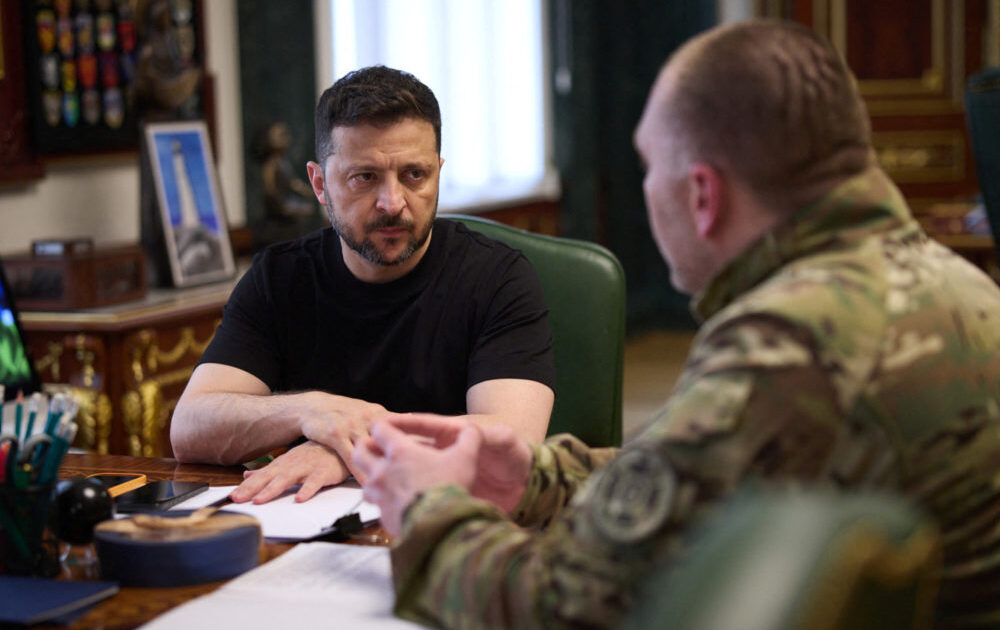
Ukrainian President Volodymyr Zelenskyy has recently intensified diplomatic outreach to Gulf states, positioning Ukraine not only as a recipient of military aid but as an active contributor to regional security. His visits to the Gulf are widely seen as an effort to showcase Ukraine’s growing expertise in modern warfare—particularly drone defence systems developed during its ongoing conflict with Russia.
Reports indicate that Ukraine has been leveraging battlefield experience to strengthen defence cooperation with countries in the Middle East, especially as Iranian-linked drone warfare has become a defining feature of regional conflicts. This has allowed Kyiv to present itself as a key security partner, even as it continues to fight a high-intensity war at home.
At the same time, some analysts argue that global attention shifting toward the Iran conflict has indirectly eased pressure on Ukraine. Western governments, particularly the United States and its allies, are increasingly stretched across multiple security theatres. This has raised questions about long-term resource allocation, especially in air defence systems and military aid packages that support Ukraine’s war effort.
Within this context, diplomatic discussions around a potential ceasefire between Ukraine and Russia have resurfaced, although significant obstacles remain. Moscow continues to demand broader security guarantees, while Kyiv insists on territorial integrity and full withdrawal of Russian forces. Despite occasional signals of openness, no formal breakthrough has yet emerged.
Recent developments, however, suggest subtle shifts in positioning. Ukraine’s expanding defence partnerships in the Gulf and Europe are strengthening its strategic profile, while Russia faces mounting economic and military pressures. Some observers believe this evolving balance could eventually create conditions more favourable to negotiations, even if a ceasefire remains distant.
Still, most diplomats caution against overestimating short-term prospects. The war remains deeply entrenched, and both sides continue to invest heavily in sustaining their military positions. While the Iran conflict has added a new layer of complexity to global security, it has not yet fundamentally altered the core dynamics of the war in Ukraine.
For now, President Zelenskyy’s Gulf diplomacy reflects a broader strategy: ensuring Ukraine remains central to global security discussions, even as the battlefield in Europe continues to evolve. Whether these shifts translate into meaningful progress toward peace will depend on how global powers recalibrate their priorities in the months ahead.