








Keir Starmer Faces Mounting Pressure as Electoral Setbacks and Party Fractures Deepen
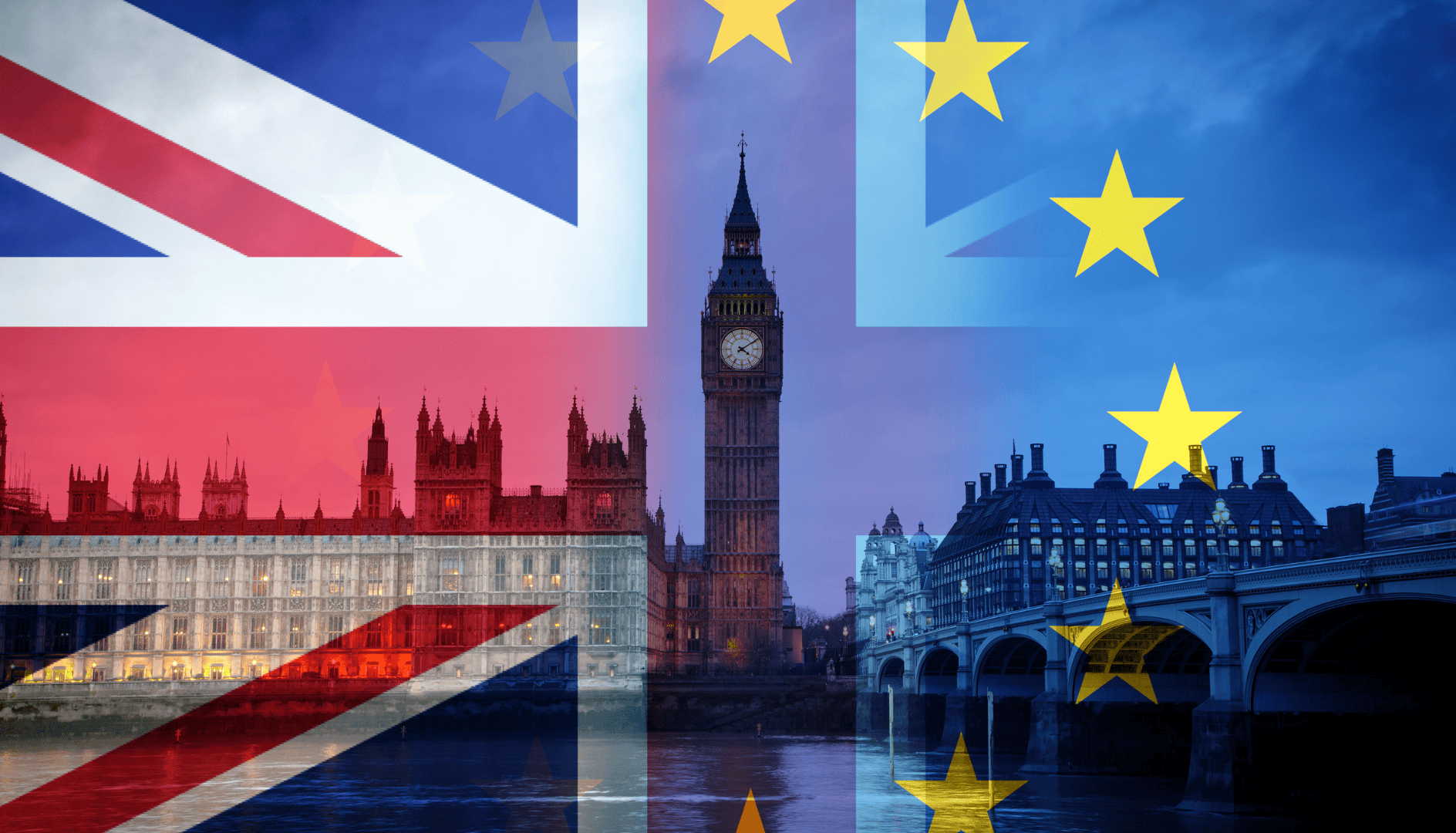
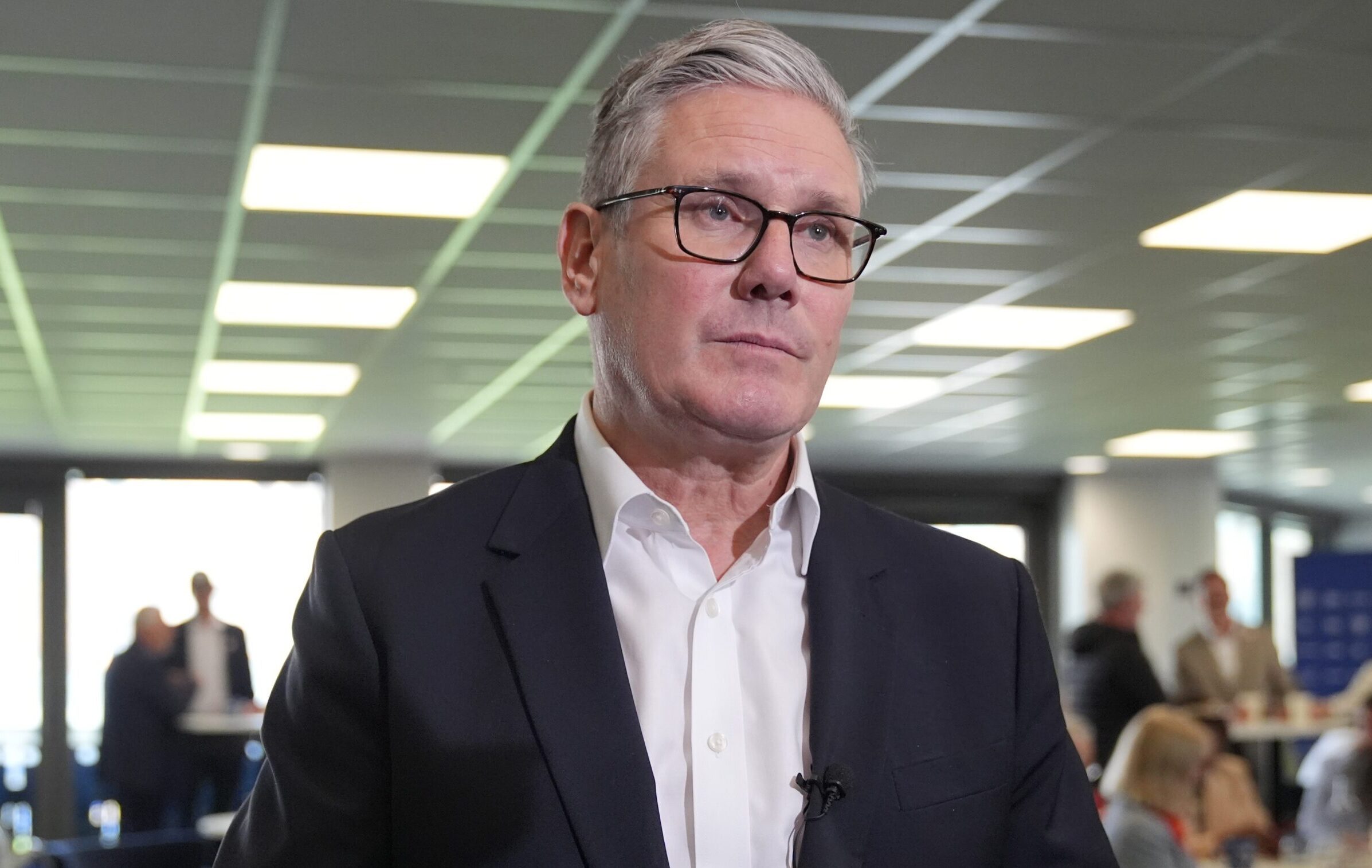
As political pressure intensifies in the United Kingdom, Prime Minister Keir Starmer is confronting one of the most difficult periods of his leadership, with disappointing election results, rising internal dissent, and growing momentum from insurgent parties reshaping the political landscape.
Recent electoral setbacks for Labour have fuelled questions about the party’s direction and its ability to maintain voter confidence ahead of the next general election. While the government continues to emphasise stability and economic recovery, critics argue that its message is being overshadowed by voter dissatisfaction over living costs, public services, and immigration policy.
At the same time, insurgent political movements are gaining ground, particularly in local contests, drawing support away from traditional party lines. These gains have added pressure on Labour’s leadership, exposing vulnerabilities in its electoral coalition and raising concerns among party strategists about long-term positioning.
Inside the party, tensions are also becoming more visible. Leadership rivals and senior figures are increasingly vocal in private and public discussions about strategy, with some questioning whether the current approach is effective in countering opposition momentum. While no formal challenge has emerged, the atmosphere within Westminster is described as increasingly unsettled.
The situation is further complicated by the broader fragmentation of UK politics, where smaller parties are playing a more influential role in shaping outcomes. This shift has made it more difficult for any single party to secure a stable governing mandate, increasing uncertainty ahead of future national votes.
Despite these challenges, Starmer and his allies are attempting to project control, focusing on economic stability, public service reform, and long-term investment strategies. Supporters argue that the government inherited deep structural issues and that meaningful change will take time to deliver.
However, political observers note that patience within the electorate is not guaranteed. With opposition forces becoming more competitive and internal pressures mounting, the coming months are likely to be critical in determining whether Labour can consolidate its position or face further erosion of support.
For now, the prime minister remains in office, but the political ground beneath him is shifting quickly—leaving Westminster watching closely for the next move in an increasingly volatile political environment.