









UK Poised to Join EU’s £78bn Ukraine Loan as Starmer Pushes for Post-Brexit Reset with Brussels
The United Kingdom is on the verge of joining a major European Union-backed financial package aimed at sustaining Ukraine’s war effort against Russia, in a move that would mark one of the most significant steps yet in Labour’s bid to reset relations with Brussels.
The proposed loan package, valued at around £78 billion, is designed to cover roughly two-thirds of Ukraine’s projected financial needs over the next two years as it continues to resist Russia’s ongoing invasion. A substantial portion of the funding is expected to be directed toward military spending, including weapons procurement, logistics, and battlefield support, alongside broader economic stabilisation efforts.
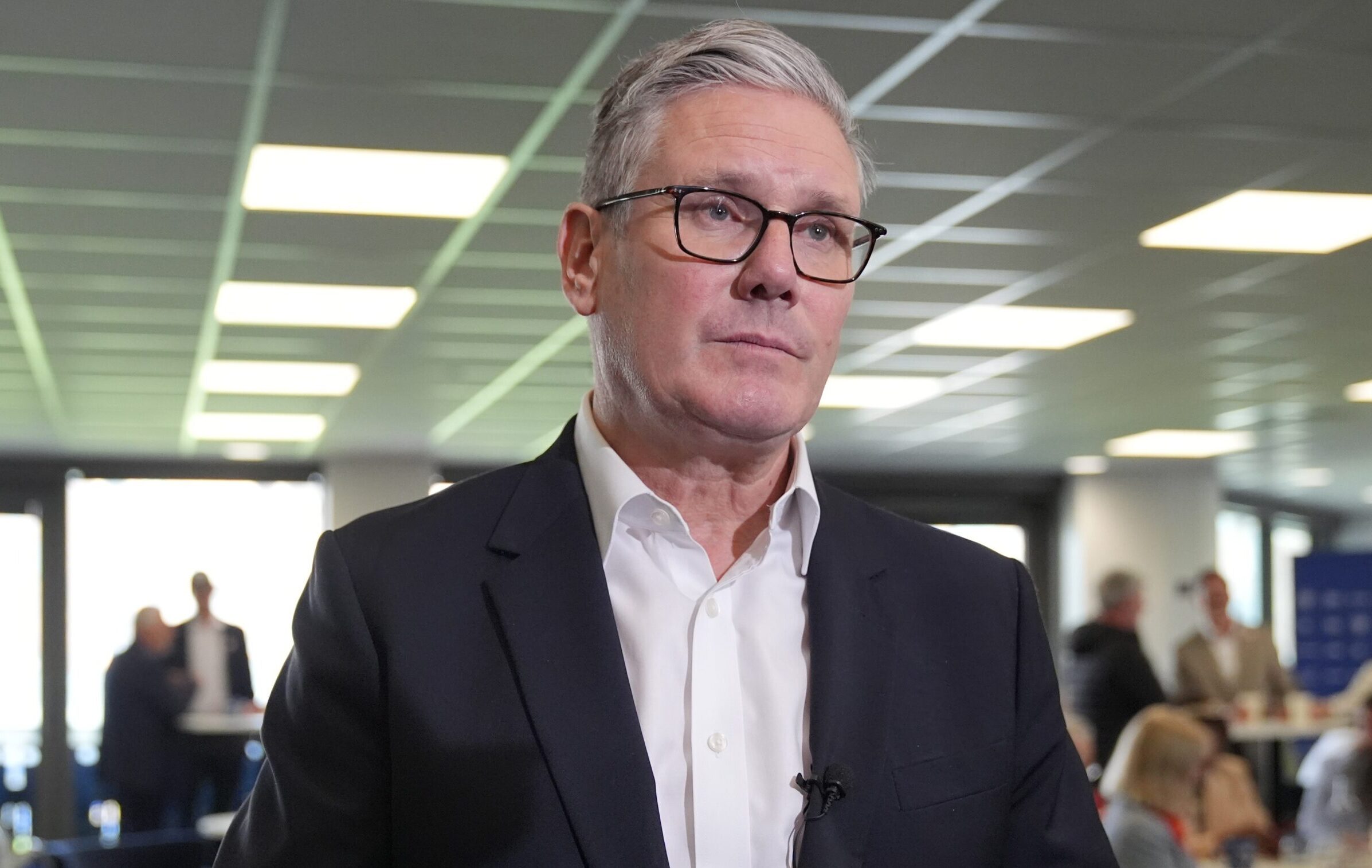
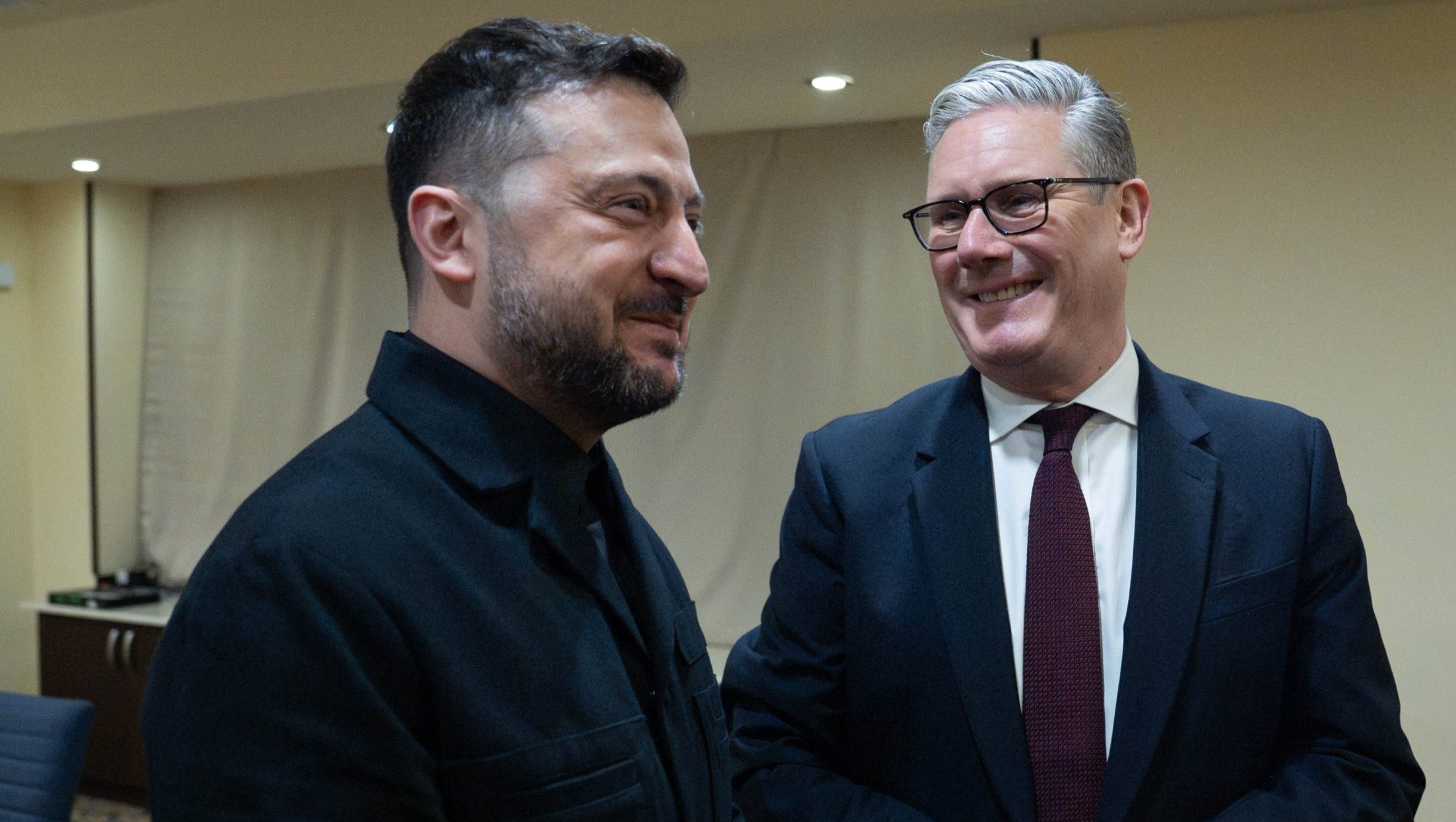
If confirmed, Britain’s participation would signal a notable shift in post-Brexit cooperation with the EU on security and defence matters. Prime Minister Keir Starmer has repeatedly emphasised the importance of rebuilding ties with European partners, particularly in response to evolving global security threats. Officials describe the potential move as part of a broader effort to “reset” the UK’s relationship with Brussels while maintaining strategic autonomy.
The financial assistance package is being framed by European leaders as essential to ensuring Ukraine’s long-term resilience. With the war now entering a prolonged and resource-intensive phase, Western allies are seeking more structured and predictable funding mechanisms to avoid shortfalls in military and humanitarian support. The majority of the loan is expected to be channelled directly into sustaining Ukraine’s armed forces, which continue to face sustained pressure along multiple fronts.
Supporters of the plan argue that coordinated lending on this scale is necessary to prevent instability in Eastern Europe and to reinforce the message that Western backing for Ukraine remains firm. They also suggest that joint funding mechanisms could reduce the strain on individual national budgets while improving efficiency and accountability in how aid is delivered.
However, the proposal is likely to face scrutiny in both the UK and EU member states. Questions are expected around long-term repayment structures, fiscal risk-sharing, and the political implications of closer financial alignment between London and Brussels after Brexit. Some critics may also raise concerns about escalating defence commitments at a time of domestic economic pressure.
For Ukraine, the loan represents a critical lifeline. With its economy heavily strained by years of conflict, external financing has become essential to maintaining both military operations and basic state functions. The scale of the package reflects growing recognition among Western allies that sustained support will be required well beyond short-term aid commitments.
Diplomatic observers say Britain’s involvement would carry symbolic weight, reinforcing its role as a key security partner in Europe despite its departure from the EU. It would also signal that, on issues of defence and geopolitical stability, cooperation between London and Brussels remains not only possible but increasingly necessary.
While final agreement has not yet been confirmed, negotiations are said to be at an advanced stage. If approved, the deal would represent one of the most significant post-Brexit alignments between the UK and the European Union, centred on a shared strategic objective: sustaining Ukraine’s resistance and shaping the future balance of security in Europe.