








Local Election Results Timeline Set to Reveal Political Shake-Up Across England, Wales and Scotland
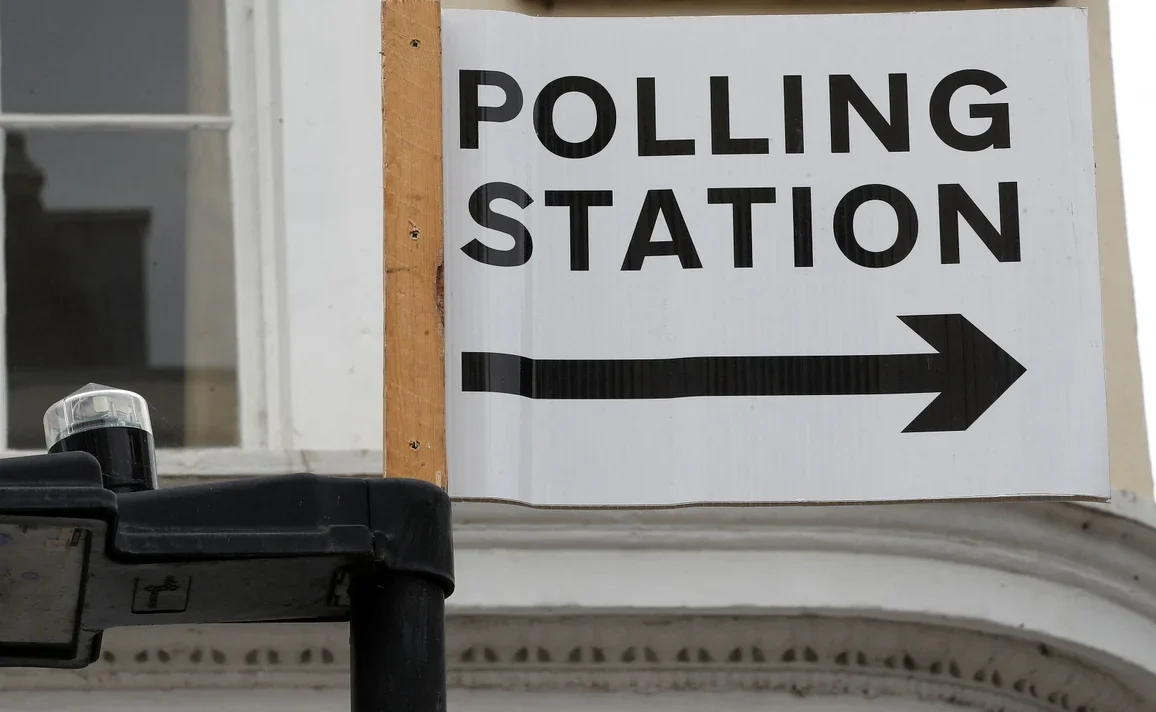
The countdown is underway for one of the most closely watched electoral moments in the UK political calendar, as local election results across England, Wales and Scotland begin to roll in, offering an early test of voter sentiment and potentially reshaping the country’s political landscape.
The contests, spread across hundreds of councils and key battleground areas, are expected to provide an important snapshot of public opinion on major national issues including the economy, immigration, public services and leadership performance.
Early results are typically expected overnight, with rural and smaller councils in England often reporting first, followed by more urban and politically competitive areas in the early hours of the morning. Major metropolitan councils and key swing regions tend to declare later, often stretching into the following day as vote counting continues.
In Wales, results from devolved council elections are expected to emerge gradually through the night, with several closely contested areas likely to attract national attention. Meanwhile, in Scotland, attention will focus on shifts in voter alignment across council areas where traditional party loyalties have become increasingly fluid in recent elections.
The stakes are particularly high for the Labour Party, which is widely expected to face losses in some areas despite leading nationally in recent polling. However, political analysts say the most significant question is not only how many seats are lost, but where voters choose to go instead — a factor that could reshape future electoral strategy and influence national policy direction.
A fragmentation of the vote, with support shifting toward smaller parties or independents, could signal a deeper restructuring of the UK’s political landscape. Conversely, concentrated gains by a single opposition party would suggest a more traditional two-party swing dynamic.
Local election results are often interpreted as a mid-term verdict on the government in power, even though turnout is typically lower than general elections. This makes them an important, though imperfect, indicator of broader political momentum.
As counting progresses, attention will focus on key battleground councils where margins are tight and small shifts in voter behaviour could determine control. These areas are expected to provide the clearest insight into how the national political mood is evolving ahead of future general election cycles.
With results due to unfold over several hours, political parties, analysts and voters alike will be watching closely to see not just who wins, but how the electorate is beginning to realign across the UK’s changing political map.