








Massive Alaska Megatsunami Identified as Second Largest Ever Recorded, Scientists Warn of Rising Climate Risk
A newly identified megatsunami in Alaska has been confirmed by researchers as the second largest ever recorded, raising fresh concerns that climate-driven glacier melt could be increasing the likelihood of extreme and unpredictable coastal disasters.
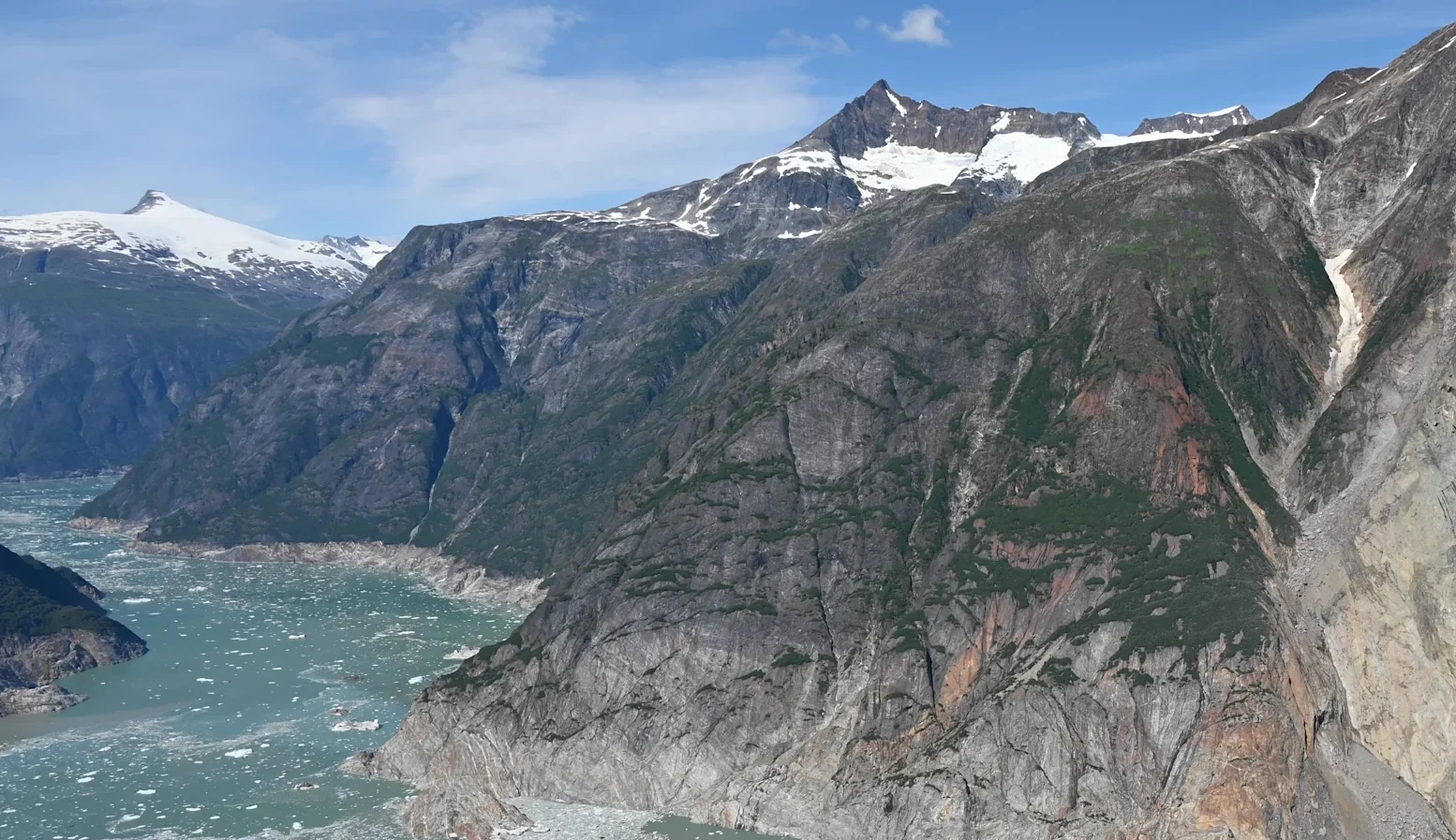
The event, which occurred in a remote fjord system surrounded by steep, glacial mountains, produced a colossal wave after a massive rock and ice collapse triggered a sudden displacement of water. Scientists describe the landscape as an icy corridor where sheer rock walls, stripped of vegetation, drop into deep, narrow waters capable of amplifying wave energy to extraordinary levels.
New analysis suggests that the megatsunami was likely caused by destabilisation of a mountainside weakened over time by rapid glacier retreat. As warming temperatures continue to accelerate ice loss across high-latitude regions, previously frozen rock faces are becoming exposed and unstable, increasing the risk of large-scale collapses.
Researchers say the wave’s size places it among the most extreme geological water events ever documented, surpassed only by the largest known megatsunami recorded in modern history. Unlike typical tsunamis generated by earthquakes, these waves are often triggered by landslides or glacier failures and can reach extreme heights within confined fjord environments.
The findings add to growing scientific evidence that climate change is reshaping physical landscapes in ways that can amplify natural hazards. As glaciers thin and retreat, they remove structural support from surrounding mountainsides, making large rock and ice avalanches more likely. When these materials plunge into narrow bodies of water, they can displace enormous volumes of water in seconds, generating towering waves.
Experts warn that similar conditions exist across Alaska, Greenland, and parts of the Arctic and sub-Arctic regions, where warming is occurring at more than twice the global average rate. Many of these areas are sparsely monitored, meaning that smaller events may go undetected or unrecorded.
While the latest megatsunami did not impact populated areas due to its remote location, scientists caution that future events could pose risks to coastal infrastructure, shipping routes, and isolated communities located near fjords.
The study underscores the growing urgency of understanding secondary climate impacts beyond temperature rise alone. Researchers emphasise that glacier retreat is not only a slow environmental change but also a trigger for sudden, high-energy geological events that can reshape coastlines in moments.
As Arctic warming continues, scientists say monitoring unstable slopes and glacier-fed fjords will be critical to improving early warning systems and reducing the risks posed by these rare but extremely powerful natural disasters.