
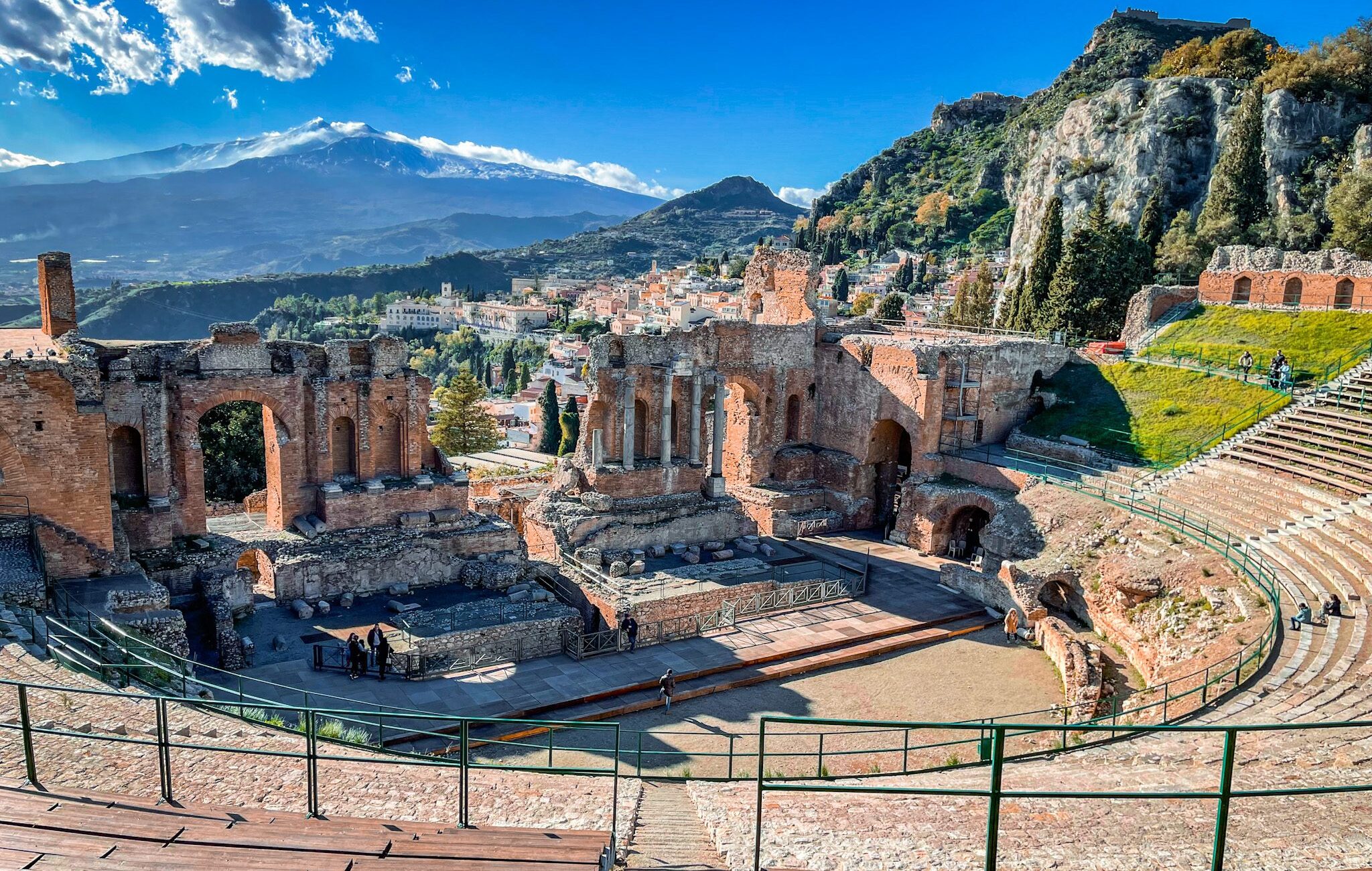









Sicily, Italy – A Mediterranean Icon Reborn as Travel Interest Surges for 2026
Sicily is emerging once again as one of the Mediterranean’s most compelling travel destinations, as renewed interest in the island positions it as a standout choice for 2026. Long known for its rich history, dramatic landscapes, and deeply rooted cultural identity, the Italian island is now experiencing a quiet revival driven by upgraded hospitality, growing tourism infrastructure, and a global shift toward slower, experience-focused travel.
Located at the crossroads of Europe and North Africa, Sicily has always carried a layered identity shaped by centuries of Greek, Roman, Arab, Norman, and Spanish influence. This complex heritage is visible in its architecture, cuisine, and traditions, making the island feel like an open-air museum of Mediterranean history. In 2026, however, it is not only its past that is attracting attention, but also its evolving present.
Across the island, boutique hotels and restored historic properties are reshaping the travel experience. Ancient palazzos have been transformed into elegant stays, while rural farmhouses now offer immersive countryside escapes focused on local food, wine, and nature. These developments are helping Sicily appeal to a new generation of travellers seeking authenticity without sacrificing comfort.
Culinary tourism is also playing a major role in Sicily’s renewed popularity. The island’s food culture, built on simplicity and intense flavour, continues to draw global attention. From seafood fresh off the coast to pistachio-rich pastries and traditional pasta dishes, Sicily offers a deeply regional dining experience that reflects its agricultural richness and coastal geography. Local markets, family-run trattorias, and vineyard estates are increasingly central to the visitor experience.
Nature remains another defining element of Sicily’s appeal. The presence of Mount Etna, one of Europe’s most active volcanoes, adds a dramatic backdrop to the island’s eastern landscape. Meanwhile, crystal-clear waters, rugged coastlines, and hidden beaches provide a wide range of outdoor experiences, from hiking and sailing to relaxed seaside exploration.
Cities such as Palermo, Catania, and Syracuse continue to anchor Sicily’s cultural identity, each offering a distinct atmosphere shaped by history and modern urban life. At the same time, smaller towns like Noto, Ragusa, and Modica are gaining attention for their baroque architecture and slower pace of life.
As global travellers increasingly prioritize depth over speed, Sicily is benefiting from its ability to offer multiple experiences within a single destination. It is at once historic and modern, chaotic and peaceful, refined and raw.
In 2026, Sicily is not being rediscovered—it is being re-experienced, as a Mediterranean icon that continues to evolve while staying true to its unmistakable character.