



Buffett Hands His Successor a Giant Cash Pile — And Many Questions
As Warren Buffett prepares for Berkshire Hathaway’s future, he leaves behind more than a legacy — a $189 billion cash war chest and a challenging road map for his successor. What’s next for the Oracle of Omaha’s empire?
Introduction
After decades of unparalleled success, Warren Buffett, often called the “Oracle of Omaha,” is passing the torch. With his 93rd birthday recently behind him and a net worth exceeding $130 billion, Buffett has begun finalizing his long-term succession plan for Berkshire Hathaway. But as he steps back, he doesn’t just hand over the reins — he hands his successor a staggering $189 billion in cash reserves and a host of strategic questions that could define the conglomerate’s future for generations.
Who Is Buffett’s Chosen Successor?
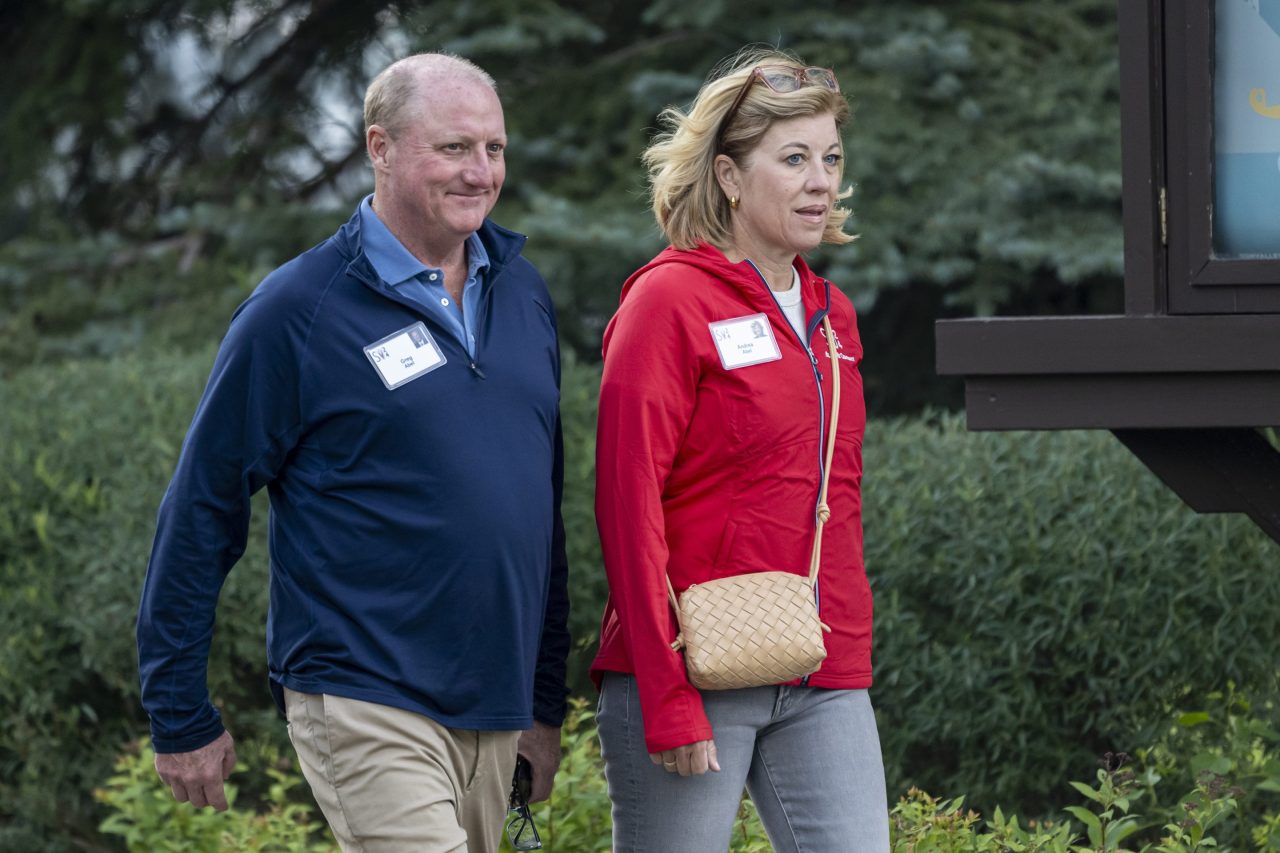
Buffett has publicly confirmed that Greg Abel, Vice Chairman of Non-Insurance Operations, will be the one to succeed him as CEO. Abel, a key figure within Berkshire since 2000, is known for his strong business acumen and deep understanding of the company’s decentralized structure.
But Abel faces a unique challenge — continuing the legacy of a man who not only built Berkshire Hathaway into a multi-trillion-dollar company but also became a global icon of value investing and long-term financial discipline.
The Giant Cash Pile: Opportunity or Burden?
As of early 2025, Berkshire Hathaway sits on nearly $189 billion in cash and cash equivalents — a historic high. This immense liquidity has led investors and analysts alike to ask a pressing question:
What will Greg Abel do with all that money?
Buffett’s preference has long been to wait patiently for the “perfect pitch” — undervalued companies with long-term potential, solid management, and durable competitive advantages. But with rising interest rates, volatile global markets, and fewer attractive acquisitions available, sitting on such a large sum raises both:
- Strategic dilemmas: Should Berkshire deploy the cash in mega-acquisitions, share buybacks, or continue hoarding for an unknown future?
- Shareholder pressure: Investors may demand clearer capital allocation strategies to ensure returns on idle cash.
Key Questions Buffett Leaves Behind
Here are some of the biggest questions Berkshire’s next leader must navigate:
1. How to Sustain Growth Without Buffett’s Star Power?
Buffett’s brand is part of Berkshire’s valuation. Greg Abel will need to win investor trust, not just through numbers, but through consistent decision-making aligned with Buffett’s principles.
2. Is It Time to Rethink Berkshire’s Conglomerate Model?
Berkshire owns over 60 subsidiaries and large equity positions in companies like Apple, Coca-Cola, and American Express. But with changing market dynamics, is it time to spin off some assets or focus more tightly on fewer sectors?
3. Can Abel Match Buffett’s M&A Instincts?
Buffett’s ability to spot undervalued gems — from GEICO to BNSF Railway — is legendary. While Abel has operational expertise, it remains to be seen whether he can identify and execute similarly iconic deals.
4. How Will Berkshire Approach ESG and Public Pressure?
Buffett has historically avoided deep involvement in political or environmental debates. Abel may face increasing scrutiny from younger investors demanding ESG accountability and climate-conscious investments.
The Market’s Reaction
Investors remain cautiously optimistic. Berkshire Hathaway’s stock has continued to perform well, buoyed by its solid fundamentals, diversified holdings, and massive liquidity. However, Wall Street is watching closely:
- Analysts are eager to see a clearer plan for cash deployment.
- Activist investors may grow louder if capital isn’t effectively allocated.
- Institutional shareholders want assurance that Berkshire’s decentralized model and financial discipline will continue under Abel.
Buffett’s Confidence in Abel
Despite these uncertainties, Buffett has expressed unwavering confidence in Greg Abel. In his own words:
“Greg understands Berkshire’s culture. He’s smart, disciplined, and the right person to continue our journey.”
That vote of confidence carries enormous weight. Still, investors know that Buffett’s presence — and his famous shareholder letters — have long been a stabilizing force in both good and volatile times.
What the Future Might Hold
As Abel steps forward, Berkshire’s future could include:
- Strategic acquisitions in emerging sectors like AI, green energy, and infrastructure.
- More aggressive share buybacks to increase shareholder value.
- Stronger dividend policies to satisfy long-term investors.
- Investment in innovation, possibly reshaping parts of the Berkshire portfolio to reflect new economic realities.
Whatever the direction, the core challenge remains: balancing Buffett’s legacy with the demands of a new era.
Conclusion
Warren Buffett’s succession plan is more than a transition — it’s a generational handoff of wealth, wisdom, and responsibility. With a $189 billion cash pile and one of the world’s most respected investment conglomerates, Greg Abel has both the tools and the challenge of a lifetime.
The world is watching. Will Berkshire remain the fortress of financial prudence it has always been, or evolve into something new under Abel’s leadership? Only time will tell, but one thing is certain: the next chapter of Berkshire Hathaway is already being written — in cash, in courage, and in the spirit of the Oracle himself.